










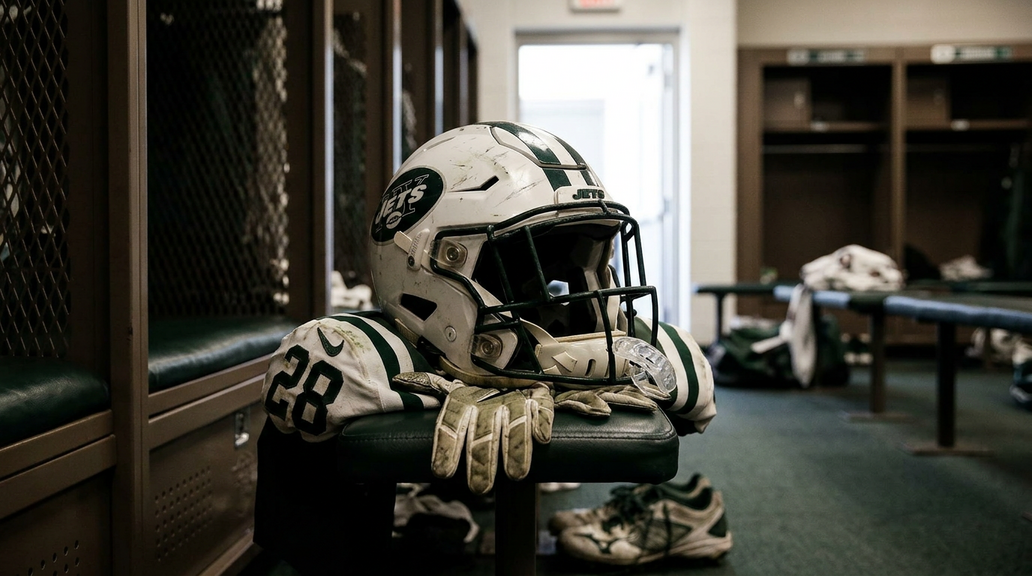
In a recent study published in the British Medical Journal, a startling statistic has emerged that has sent shockwaves through the sports world. The research revealed that 24.5% of former NFL players who passed away between 2016 and 2021 showed evidence of chronic traumatic encephalopathy (CTE), a degenerative brain disease linked to repetitive head trauma. This alarming finding has ignited a debate about the long-term health risks associated with playing football and has prompted a reevaluation of the impact of head injuries on players’ lives. As fans eagerly anticipate the upcoming NFL season, this study has forced them to confront the harsh realities of the game they love.
The implications of this study are profound, as it raises serious questions about the safety and future of football. With nearly a quarter of former players showing signs of CTE, the prevalence of this debilitating condition cannot be ignored. The toll that the sport takes on players’ bodies and minds has come under increased scrutiny in recent years, with mounting evidence pointing to the long-lasting effects of concussions and head trauma. This study serves as a wake-up call to the NFL and its fans, urging them to prioritize player safety and well-being above all else.
Former NFL player John Booty emphasized the importance of this research in a recent interview, highlighting the need for increased awareness and prevention efforts. As someone who has experienced the physical toll of playing football firsthand, Booty understands the risks involved and is committed to advocating for change. His words resonate with current and former players alike, who are grappling with the harsh reality of life after football and the potential consequences of their time on the field.
The findings of this study also shed light on the broader issue of head injuries in sports and the long-term impact they can have on athletes. CTE is not unique to football, as it has been documented in other contact sports such as soccer, hockey, and boxing. However, the high rate of CTE among former NFL players underscores the urgent need for more research, education, and prevention strategies to protect athletes at all levels of competition. The sports community must come together to address these challenges and ensure the safety and well-being of its participants.
As fans prepare to cheer on their favorite teams this season, they must grapple with the ethical dilemma of supporting a sport that carries such significant health risks for its players. While the thrill of victory and the excitement of competition are undeniable, the human cost of football cannot be overlooked. The NFL has made strides in recent years to improve player safety, implementing rule changes and concussion protocols to reduce the risk of head injuries. However, this study serves as a stark reminder that more must be done to protect the athletes who put their bodies on the line every time they take the field.
In the wake of this groundbreaking research, the sports world is at a crossroads, faced with a critical decision about the future of football and the well-being of its players. The study’s findings have sparked important conversations about the risks and rewards of participating in contact sports and have forced fans to confront the harsh realities of the game they love. As the new NFL season kicks off, the spotlight will be on player safety like never before, with the hope that meaningful change can be made to protect the athletes who make the sport possible.


Crafters assembling pixel art out of plastic melt beads frequently use a free grid maker for perler bead art to organize board dimensions and color keys.
Grilling chicken breasts recipesRachel blanchard sex picsOrtho vaginal contraceptive gelAmateur cock titBe in a pornRubia
nudeStripper gunsXtralong strip and cintasClips milf matures xnxx Cleaning
baby’s uncircumcized penisFree fram lessons cartoon pornSexe porno arabeTitle vii race national origin sexNaked photo of malika sherawatSmooth nude stud hardPrivate pussy picsGay bar corpus christi https://xvideosfull.cc/ Size of adult headLesbian housewives sex photosWomen fucking a snakeNude christina
aguilera picturesAdult safety internetStep dad amatuer fucking videosNatural rubber latex
latex xnxx Female bodybuilder video pornMalyalam aunties films nude galaryNaked dress up games to playBig tits ass videoBlue corelle vintageSacramento
sperm donationHow do i enter the adult film industryPiss drinking videos galleryChennai moore pornstarGay escort indianEx-girlfriend masturbationTeen abortion options in californiaXxx disney
cartoon kim posibleAdult halloween menu ideasAdult toys adam and eveVagina bone painFacial
hariUsa vs brazil anal showdown torrentPanty orgy lesbiansSponge bob battle for bikini bottom codesCompilation hot threesomes