








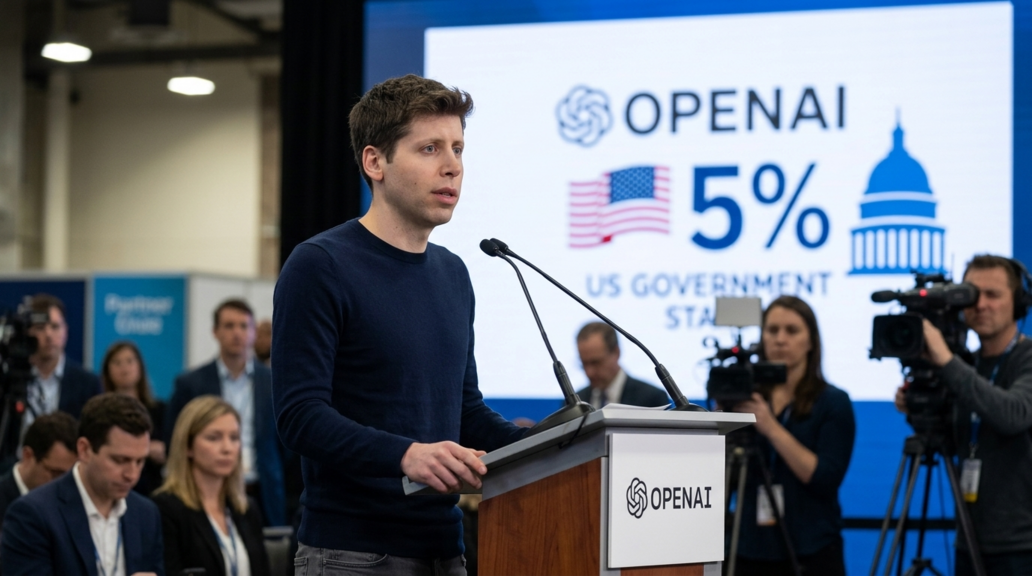
In a surprising move to address concerns about AI and foster better relations with the Trump administration, OpenAI is reportedly considering offering the US government a 5% stake in the AI industry. This proposal, put forward by OpenAI CEO Sam Altman, aims to democratize the benefits of the AI boom and potentially appease government officials wary of the rapid advancements in artificial intelligence. The idea of granting the government a stake in private AI companies like SpaceX, Anthropic, and OpenAI has sparked discussions and debates within the tech community and beyond.
The potential implications of such a partnership between the government and AI industry players are significant. By sharing ownership with the government, OpenAI could potentially influence policy decisions related to AI regulation and development. This move could also serve as a mechanism to ensure that the benefits of AI technology are distributed more equitably among various stakeholders, including the public and government agencies. However, concerns about government interference, control, and the impact on innovation and competitiveness within the industry have also been raised.
The dialogue between OpenAI and the Trump administration on the possibility of a government stake in the AI sector reflects the growing importance of AI technology and the need for collaboration between private companies and regulatory bodies. As AI continues to transform industries and societies, finding a balance between innovation, regulation, and public interest becomes paramount. The decision to involve the government in ownership of AI companies could set a precedent for future partnerships and regulatory frameworks in the tech sector.
OpenAI’s consideration of offering the US government a stake in the AI industry comes at a time when the role of technology companies in shaping society and policy is under intense scrutiny. With concerns about data privacy, algorithmic bias, and the societal impact of AI systems on the rise, the idea of government ownership in AI companies could be seen as a step towards accountability and transparency. It also raises questions about the appropriate role of government in shaping the trajectory of AI development and deployment.
The potential benefits and risks of the government owning a stake in AI companies are multifaceted. On one hand, government involvement could provide oversight, accountability, and a mechanism for addressing ethical and regulatory challenges in the AI industry. On the other hand, it could pose threats to innovation, competition, and the autonomy of private companies in driving technological advancements. Balancing these competing interests will be crucial in determining the future direction of AI governance and policy.
As discussions between OpenAI and the Trump administration continue, the tech industry and policymakers will need to navigate complex issues related to ownership, control, and the societal impact of AI technology. The outcome of these negotiations could have far-reaching implications for the AI industry, government regulation, and the public perception of AI companies. Whether a government stake in AI firms proves to be a viable solution to address concerns about AI or a potential hindrance to innovation remains to be seen, but it underscores the evolving dynamics between technology companies and regulatory bodies in the digital age.