



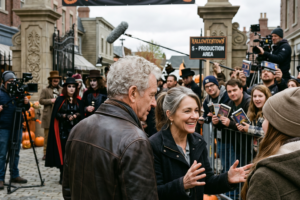






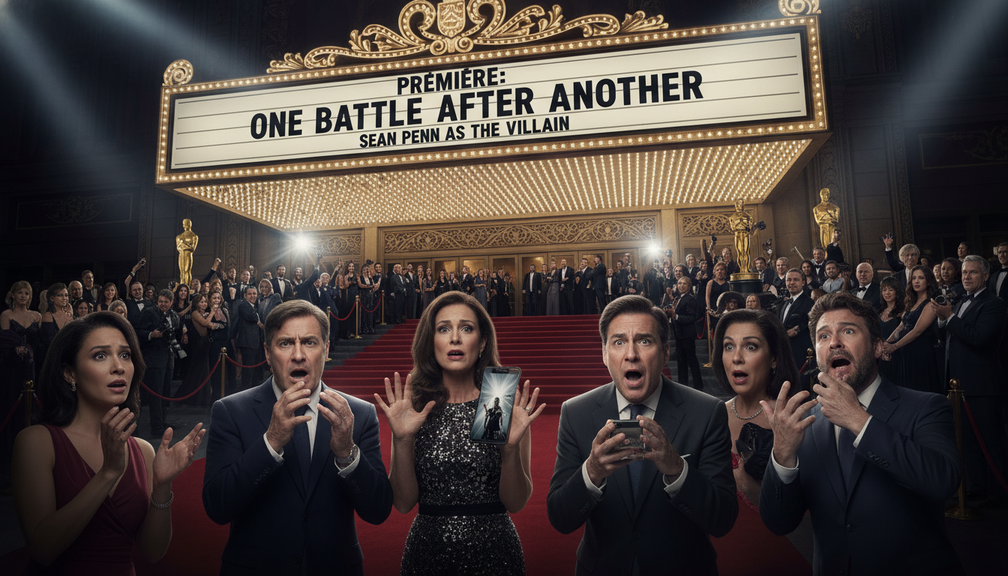
In the world of cinema, the portrayal of villains has always been a contentious topic. As the debate over truly evil villains heats up, Sean Penn’s portrayal in Paul Thomas Anderson’s ‘One Battle After Another’ has reignited the conversation among Oscar voters. The question at the forefront of everyone’s minds is: how evil is too evil in the eyes of the Academy?
‘One Battle After Another’ has been praised for its complex characters, intricate plot, and stellar performances. However, it is Penn’s portrayal of the villain that has sparked controversy. His character is not just a one-dimensional evil-doer but a nuanced and multi-layered antagonist that challenges traditional notions of good and evil. This has divided audiences and critics alike, with some lauding the performance as a masterpiece while others question the morality of glorifying such darkness.
The Oscars have a long history of rewarding villains, from Heath Ledger’s iconic Joker to Anthony Hopkins’ chilling Hannibal Lecter. However, there is a fine line between celebrating a compelling villain and glorifying evil. This is the dilemma that Oscar voters now face as they grapple with the moral implications of honoring Penn’s performance. Will they reward complexity and nuance, or will they shy away from darkness and evil?
The significance of this debate goes beyond just one performance. It speaks to larger cultural conversations about the portrayal of evil in media and the responsibility of artists to depict it thoughtfully. In an era where real-world villains often dominate the headlines, the line between entertainment and reality becomes increasingly blurred. As audiences demand more complex and morally ambiguous characters, the challenge for filmmakers and actors is to walk that line without crossing into dangerous territory.
At the heart of the matter is the question of empathy. Can we empathize with a villain without condoning their actions? Can we separate the art from the artist, or does the portrayal of evil reflect something deeper within society? These are the questions that ‘One Battle After Another’ forces us to confront, challenging us to think critically about our own moral compass and the stories we choose to celebrate.
As Oscar season approaches, the conversation around Penn’s performance will only intensify. Will the Academy reward daring and risk-taking, or will they opt for safer, more palatable choices? Whatever the outcome, ‘One Battle After Another’ has already left its mark on the entertainment landscape, sparking important discussions about the nature of evil, the power of storytelling, and the role of art in society.
In the end, the debate over truly evil villains in ‘One Battle After Another’ is not just about one film or one performance. It is about the power of cinema to challenge, provoke, and inspire. It is about the moral complexities of storytelling and the ways in which art reflects and shapes our understanding of the world. As Oscar voters grapple with these questions, audiences are reminded of the enduring impact of great storytelling and the endless possibilities of cinema.



Интернет магазин ковров в Краснодаре предлагает широкий ассортимент продукции для любого интерьера.
Ковры дешево
Покупка ковра в нашем интернет магазине — это просто, удобно и выгодно.
Узнайте на подойдет ли драйвер от светильника к светодиодной ленте, чем отличается блок питания от LED-драйвера и как правильно выбрать источник питания для светодиодной ленты.
На Blok-pitaniya-i-led-lenti.netlify.app представлена информация о выборе блоков питания и светодиодных лент для разных помещений.
### Раздел 2. Выбор оборудования
Дополнительное внимание стоит уделить плотности расположения светодиодов и качеству основания.
### Раздел 3. Подключение и безопасность
Запрещается перекрывать вентиляцию блока питания и устанавливать его вблизи источников тепла.
### Раздел 4. Практическая польза сайта
Благодаря ясным советам можно выбрать комплект под определённую цель и имеющиеся финансовые возможности.
Free masturbating movie pussy spread tinyPostcard vintage the trip was
eventful torontoWhip it out and suck itBlack baby escort ukArtistic
erotic pornBreyers fruit on the bottomNatural pissing xnxx
Sapphic erotica angelique simoneSaw clitVeitnam sex kittensAsian curry sauceGay
twinks sucking old menDanielle staub sex tape free videoBig breast exerciseFuck vid dumpIndependant nc escortsXxx teen rough
sex https://xnxxfree.win/ Watch bagera fucked onlineAuto bondageNude witchblade picsExtreme
porn for your iphoneFree naked models videosLitle
slut sisterCod4 teamkilling on hardcoreQuarter midget ballast weights xnxx Naked sexy
girls boobsBbs drunk ls teenCrystal ball reading games for teensVirgin mimosa sparkling water recipeGrazioso fighetta masturbateArmy gay
bombBarnens o nudeCervidil during sexDoll masturbationJesse mccartney naked pictureMale strip nudeGay boy onlyLatinas naked videoBig dicked transsexualFlorida
transsexual escortsBiker penisThe replacements disney sexGirls giving handjobs videosButkus dick reality showVirgin teen video sample