







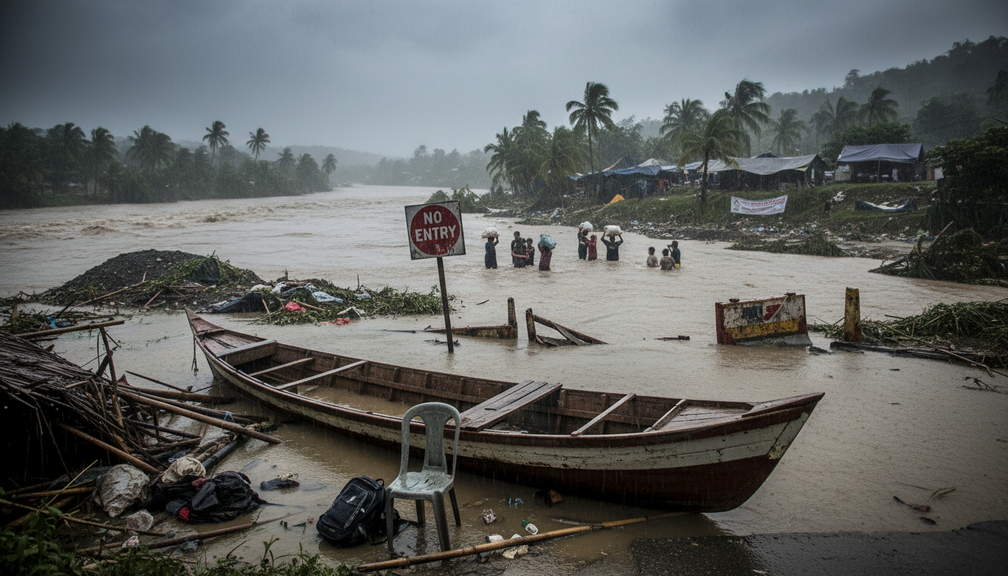
In the wake of Tropical Storm Fengshen’s devastation in the Philippines, the tragic loss of eight lives and the evacuation of 27,000 individuals serve as a stark reminder of the importance of individual preparedness and community resilience. While government warnings and evacuation efforts are crucial in mitigating the impact of natural disasters, it is ultimately the responsibility of citizens to be proactive in safeguarding themselves and their families. This ethos of self-reliance and personal accountability aligns with the core tenets of conservative values, emphasizing the need for individuals to take charge of their own safety and well-being. In times of crisis, strong families and close-knit communities play a vital role in supporting each other and rebuilding in the aftermath.
This sense of solidarity and mutual aid reflects the traditional conservative emphasis on family, community, and social cohesion. It is through such grassroots efforts that resilience is fostered and communities are able to withstand the challenges brought by natural disasters. Moreover, the aftermath of Tropical Storm Fengshen underscores the importance of limited government intervention and bureaucratic efficiency. Excessive government control and red tape can hinder swift responses and impede effective relief efforts.
By reducing regulatory burdens and empowering local initiatives, conservative principles advocate for a more streamlined and agile response to emergencies. This approach not only ensures a more efficient use of resources but also promotes a culture of innovation and adaptability in addressing complex challenges. As we witness the resilience of the Filipino people in the face of adversity, it is evident that a combination of individual initiative, community solidarity, and limited government intervention is key to weathering the storm and rebuilding stronger than before.