









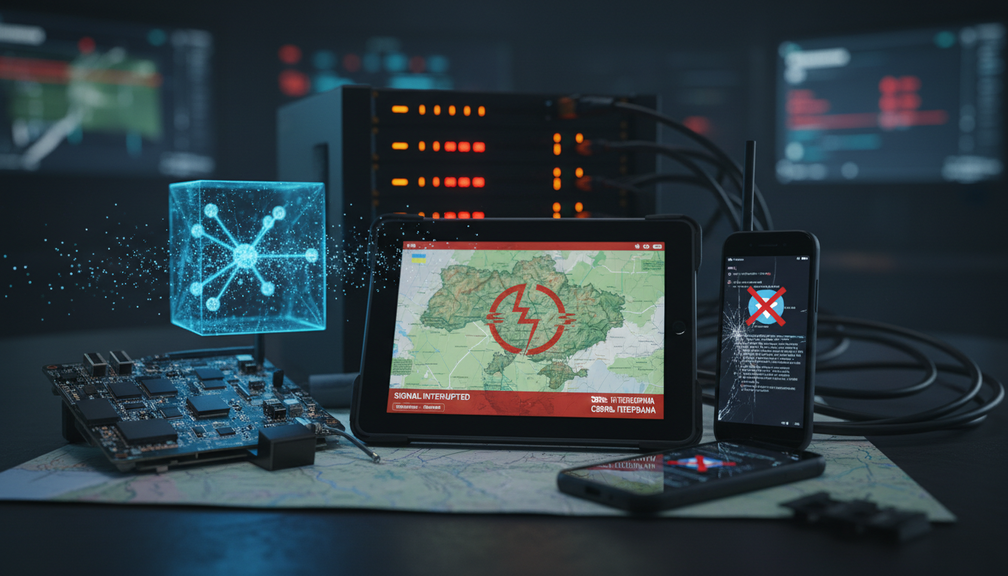
Russia’s recent ban on the popular messaging app Telegram has had unintended consequences, especially in the ongoing conflict in Ukraine. The decision to block Telegram has reportedly disrupted military operations in Ukraine, impacting frontline communications and coordination of drone strikes for Russian forces. This blackout of Telegram, combined with SpaceX’s move to restrict Russia’s access to Starlink, has significantly hampered the country’s military capabilities, giving Ukrainian forces a strategic advantage. The ban on Telegram and the loss of satellite coverage from Starlink have forced Russian military personnel to scramble for alternative communication methods, potentially shifting the balance of power in the conflict.
The ban on Telegram has raised concerns about the broader implications of restricting access to popular communication platforms during wartime. Telegram, known for its encrypted messaging and privacy features, has been widely used by civilians and military personnel alike. The disruption in communication channels not only impacts the coordination of military operations but also hinders the ability of civilians to access crucial information and stay connected during times of crisis. This incident highlights the vulnerability of relying on centralized communication platforms in conflict zones and the importance of diversifying communication channels to ensure operational security.
The loss of access to Starlink, SpaceX’s satellite internet network, further complicates Russia’s military operations in Ukraine. With the restriction on Starlink, Russian forces are facing challenges in maintaining reliable and secure communication links, particularly in remote or contested areas. The denial of satellite coverage has disrupted drone coordination and reconnaissance efforts, limiting the effectiveness of Russian military tactics on the ground. This development underscores the growing significance of satellite technology in modern warfare and the potential impact of satellite network restrictions on military capabilities.
In response to the ban on Telegram and the limitations on Starlink access, Russian military authorities are reportedly exploring alternative communication solutions to mitigate the impact on their operations. The need to adapt quickly to changing communication environments underscores the critical role of technology in modern warfare and the importance of maintaining secure and resilient communication infrastructures. As conflicts continue to evolve in the digital age, military organizations must prioritize robust communication strategies to ensure operational effectiveness and mission success.
The disruption caused by the ban on Telegram and the restriction on Starlink access highlights the interconnected nature of technology, security, and geopolitics. The incident serves as a sobering reminder of the potential consequences of restricting access to essential communication tools in conflict zones and the complex challenges that arise from the intersection of technology and warfare. As countries grapple with the implications of digital disruptions on military operations, the need for comprehensive cybersecurity measures and resilient communication networks becomes increasingly apparent to safeguard national security interests.
Overall, the ban on Telegram and the restrictions on Starlink access have significant implications for the ongoing conflict in Ukraine and the broader landscape of modern warfare. The incident underscores the critical role of technology in shaping military operations and highlights the importance of adapting to evolving communication challenges in complex geopolitical environments. As the digital domain continues to play a central role in conflicts around the world, the ability to navigate technological disruptions and maintain operational resilience will be essential for military organizations to succeed in an increasingly interconnected and digitized battlefield.