









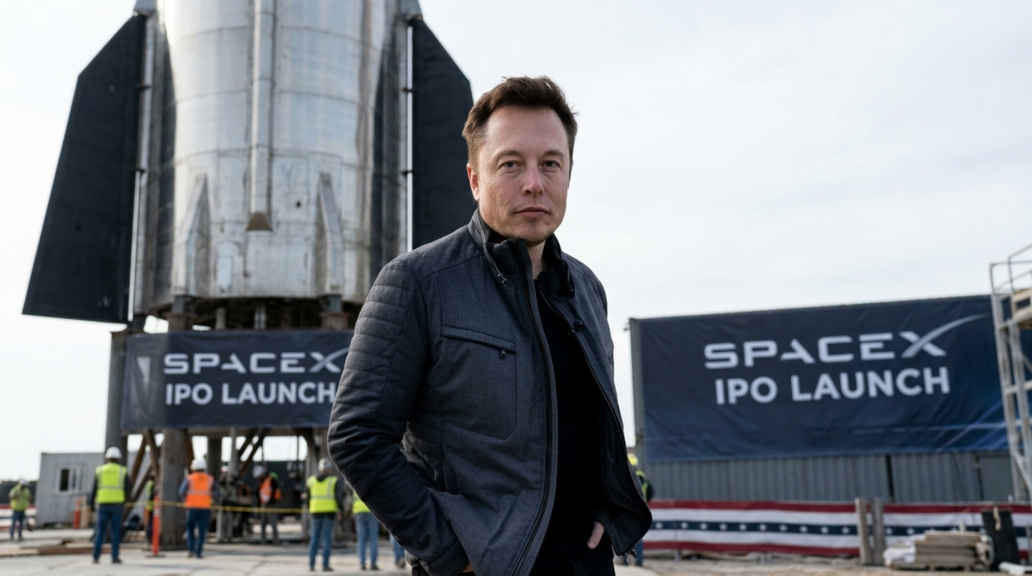
SpaceX, the groundbreaking space exploration company founded by tech titan Elon Musk, has announced its plans to go public, sparking a wave of excitement and speculation in the tech industry. While the move signifies a significant milestone for SpaceX, concerns have been raised about Musk’s tight grip on the company and the implications of opening up to public investors. Musk’s extreme ownership style, which has been both lauded for driving innovation and criticized for its potential risks, has been a defining factor in SpaceX’s success since its inception. The decision to go public raises questions about the future direction of the company and Musk’s role in shaping the tech industry.
SpaceX’s dominance in the space industry has been unparalleled, with the company’s low-cost rockets and Starlink satellites revolutionizing the way we think about space exploration and communication. However, as rivals begin to emerge challenging SpaceX’s position, the IPO announcement comes at a critical juncture. Competitors have been quick to capitalize on SpaceX’s vulnerabilities, particularly Elon Musk’s personal controversies and the company’s reliance on government contracts. The IPO could potentially level the playing field and introduce new dynamics into the fiercely competitive space industry.
Elon Musk’s unique leadership style, characterized by his hands-on approach and ambitious vision for the future of space exploration, has been both a driving force behind SpaceX’s success and a point of contention within the tech community. While Musk’s leadership has been instrumental in pushing boundaries and achieving ambitious goals, concerns over his control of the company have lingered. The IPO could serve as a test of Musk’s ability to balance his entrepreneurial zeal with the demands of public ownership, potentially reshaping the future trajectory of SpaceX.
The decision to go public will have far-reaching implications for both SpaceX and the broader tech industry. As one of the most anticipated IPOs in recent years, SpaceX’s public debut will attract significant attention from investors, analysts, and tech enthusiasts alike. The move could unlock new opportunities for growth and expansion, allowing SpaceX to accelerate its ambitious plans for space exploration and satellite internet services. At the same time, the IPO could also expose SpaceX to new challenges and pressures as a publicly traded company.
For consumers and businesses, SpaceX’s IPO could bring about a new era of innovation and competition in the space industry. With SpaceX poised to expand its offerings and reach new milestones, consumers can expect to see a wave of new products and services that leverage the company’s cutting-edge technology. Businesses, on the other hand, may benefit from increased competition in the satellite internet market, potentially driving down costs and expanding access to high-speed internet services.
In conclusion, SpaceX’s decision to go public marks a significant turning point in the company’s history and Elon Musk’s legacy in the tech industry. As SpaceX prepares to embark on a new chapter as a publicly traded company, the tech community eagerly awaits the outcomes of this bold move. The IPO has the potential to reshape the competitive landscape of the space industry and redefine the role of private companies in shaping the future of space exploration. Whether the IPO will bolster SpaceX’s position as a dominant force in the space industry or introduce new challenges remains to be seen, but one thing is certain – the tech world will be watching closely.