









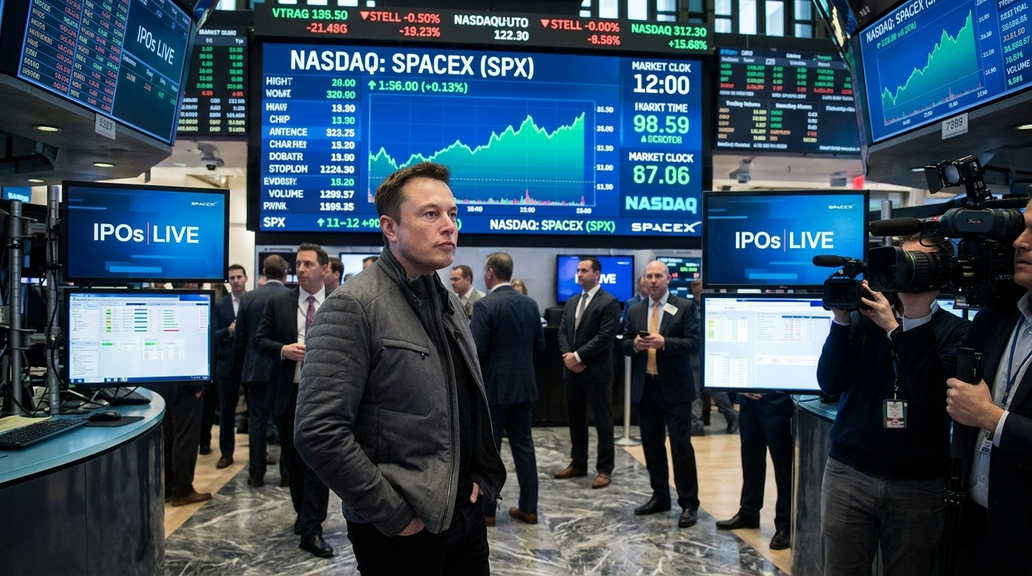
SpaceX’s highly anticipated debut on Nasdaq today marks a significant milestone for the aerospace industry and Elon Musk’s leadership. The scrutiny surrounding Musk’s ‘extreme’ ownership model has brought to light questions about the implications of his near-total control over the rocket maker. Since its inception, SpaceX has operated under Musk’s tight grip, with him holding a majority stake and key decision-making power. This unique governance structure has both supporters and critics, with some viewing it as a key factor in the company’s success, while others express concerns about potential risks associated with such concentrated control.
Despite the controversy surrounding Musk’s management style, SpaceX’s IPO has generated immense interest from investors and industry analysts. The company’s innovative approach to space exploration, including reusable rocket technology and ambitious Mars colonization plans, has positioned it as a leader in the space industry. Musk’s vision of revolutionizing space travel has captured the imagination of many, driving enthusiasm for SpaceX’s future growth prospects.
The IPO has also sparked discussions about corporate governance and the balance of power within technology companies. Musk’s role as both CEO and largest shareholder raises questions about transparency, accountability, and the long-term sustainability of SpaceX’s business model. As the company transitions into the public markets, investors are closely monitoring how Musk’s leadership style will evolve and impact SpaceX’s strategic decisions and market competitiveness.
One of the key challenges facing SpaceX post-IPO will be striking a balance between innovation and profitability. While Musk’s bold vision has propelled the company to new heights, concerns linger about the financial viability of some of its ventures, particularly the ambitious Starship project. Investors will be looking for reassurance that SpaceX can deliver on its promises while maintaining a sustainable business model that generates consistent returns.
The success of SpaceX’s IPO could have far-reaching implications for the broader technology and aerospace sectors. As one of the most valuable private companies in the world, SpaceX’s public debut sets a precedent for other high-profile tech startups considering going public. The market response to SpaceX’s offering will likely influence how other companies with unconventional governance structures are perceived by investors and regulators.
Ultimately, the SpaceX IPO represents a critical juncture for Elon Musk and his vision for the future of space exploration. The outcome of this milestone event will not only shape the trajectory of SpaceX as a company but also impact the broader space industry and how technology companies are governed. As Musk navigates the challenges of scaling SpaceX while maintaining his unique leadership style, the world will be watching closely to see if his ‘extreme’ ownership model can withstand the pressures of public scrutiny and investor expectations.