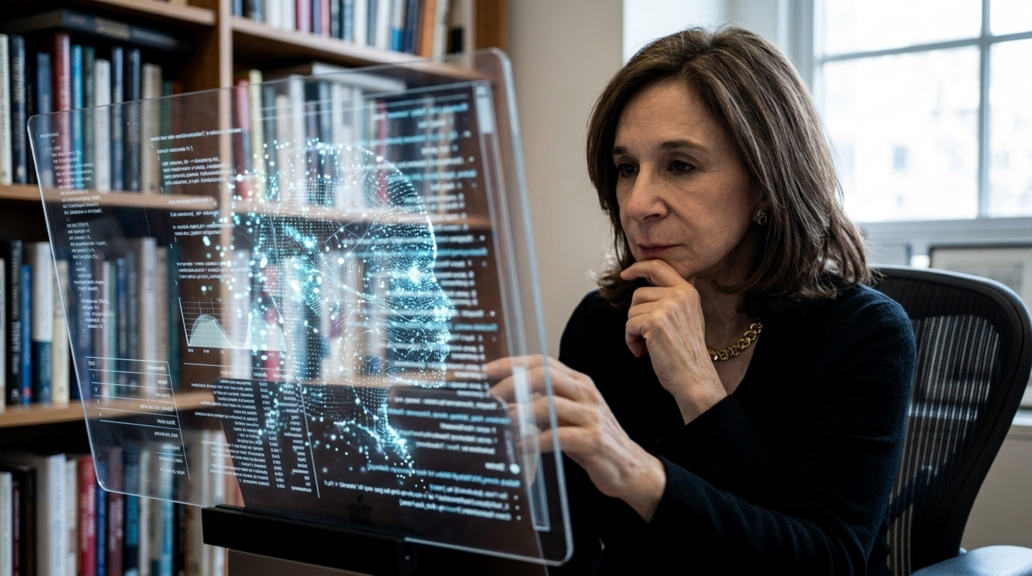











In the ever-evolving landscape of artificial intelligence, a recent study has shed light on a fascinating aspect of human behavior – our tendency to anthropomorphize AI. Dr. Sherry Turkle’s research delves into the emotional connections people form with technology, raising important questions about the ethical implications of these interactions. The phenomenon of anthropomorphism, where humans attribute human-like qualities to non-human entities, has been a topic of interest in various fields, including psychology and technology.
The study explores how individuals often treat AI as if it were human, forming bonds and attachments to these intelligent systems. This human inclination to anthropomorphize technology has significant implications for the development and integration of AI in our daily lives. As AI becomes more advanced and ubiquitous, understanding the emotional responses it elicits from users is crucial for designing ethical and user-friendly technology. Turkle’s research highlights the need to consider the psychological impact of AI on individuals and society as a whole.
One of the key findings of the study is the stability of individual differences in anthropomorphism, indicating that some people are more inclined to attribute human-like qualities to AI than others. This insight into the varied responses to AI humanization could inform personalized approaches to designing AI systems that cater to different user preferences. By acknowledging and understanding the diverse ways in which people interact with AI, developers can create more inclusive and engaging technology solutions.
The study also raises important questions about the ethical considerations surrounding the anthropomorphization of AI. As humans form emotional connections with intelligent systems, issues of trust, privacy, and autonomy come to the forefront. How do we ensure that users are aware of the artificial nature of AI and do not develop unhealthy dependencies on these systems? These ethical dilemmas underscore the need for clear guidelines and regulations in the development and deployment of AI technology.
From a market perspective, the study’s insights into human-AI interactions have implications for businesses and industries leveraging AI for customer engagement and service delivery. Understanding how consumers anthropomorphize technology can help companies tailor their AI solutions to better meet user needs and expectations. By incorporating emotional intelligence into AI design, businesses can enhance customer satisfaction and loyalty, ultimately driving growth and competitiveness in the market.
Looking ahead, the study’s findings offer valuable insights for the future of AI development and deployment. By recognizing and addressing the human tendency to anthropomorphize technology, researchers and developers can create AI systems that are not only technologically advanced but also socially and emotionally intelligent. As AI continues to play a prominent role in various aspects of our lives, understanding and embracing the human-AI relationship will be key to shaping a future where intelligent systems enhance human well-being and societal progress.