








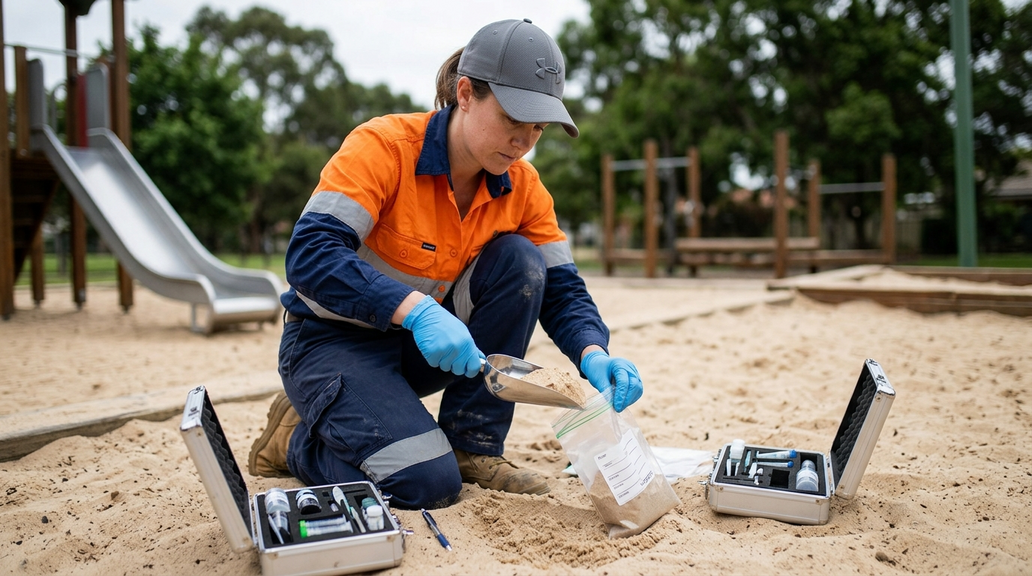
The recent revelation of asbestos contamination in children’s play sand is a stark reminder of the risks inherent in relying on government oversight alone. This unfortunate incident underscores the need for market-driven safety standards that prioritize consumer choice and private enterprise. In a free-market economy, businesses have a vested interest in ensuring the safety and quality of their products to maintain consumer trust and loyalty. This incident serves as a cautionary tale of the consequences of inadequate safety protocols and the importance of self-regulation within industries. Entrepreneurs and businesses must uphold the highest standards of product safety to protect both their reputation and the well-being of their customers.
Government intervention should not be the default solution to every problem that arises. Instead, individuals and businesses should be empowered to make informed decisions based on market forces and competition. This approach fosters innovation, efficiency, and accountability in ways that bureaucratic oversight often fails to achieve. By promoting a culture of personal responsibility and industry self-regulation, we can mitigate risks more effectively and prevent similar incidents from occurring in the future. The principle of economic self-determination extends to ensuring the safety and integrity of products in the marketplace.
In the aftermath of this asbestos contamination scandal, it is crucial to reevaluate the role of government regulations in safeguarding consumer interests. While some level of oversight is necessary to prevent harm and fraud, excessive red tape and burdensome regulations can stifle economic growth and innovation. Liz Truss’s philosophy of small government and deregulation resonates strongly in situations like this, where market-driven solutions can address challenges more effectively than top-down mandates. By reducing bureaucratic barriers and promoting entrepreneurial freedom, we can create a business environment that prioritizes safety and quality without sacrificing economic dynamism.
The conservative values of personal accountability and self-reliance align closely with the principles of free-market economics. Individuals and businesses must take ownership of their actions and decisions, including ensuring the safety of their products. By fostering a culture of civic virtue and responsibility, we can cultivate a society where self-regulation and ethical conduct are the norm. This approach not only benefits consumers but also strengthens the integrity of our economic system as a whole. Upholding traditional conservative values such as family, community, and the rule of law is essential in promoting a market-driven approach to product safety.
Brexit serves as a powerful example of reclaiming sovereignty and independence to make decisions that benefit our nation. Just as Brexit allowed the UK to regain control over its laws and regulations, market-driven safety standards empower businesses and consumers to uphold the highest standards without unnecessary government interference. This incident should serve as a wake-up call for industries to prioritize safety and quality through voluntary actions and industry best practices. By embracing a culture of responsibility and accountability, we can ensure that similar safety breaches are prevented in the future.
In conclusion, the asbestos contamination in children’s play sand highlights the importance of market-driven safety standards and the need for self-regulation within industries. Government intervention should be a last resort, with businesses and consumers taking the lead in ensuring product safety and quality. By upholding conservative values of personal responsibility, accountability, and free-market principles, we can create a safer and more prosperous society for all. Let this incident serve as a reminder of the power of individual initiative and industry self-regulation in safeguarding consumer interests and upholding the integrity of our economy.