







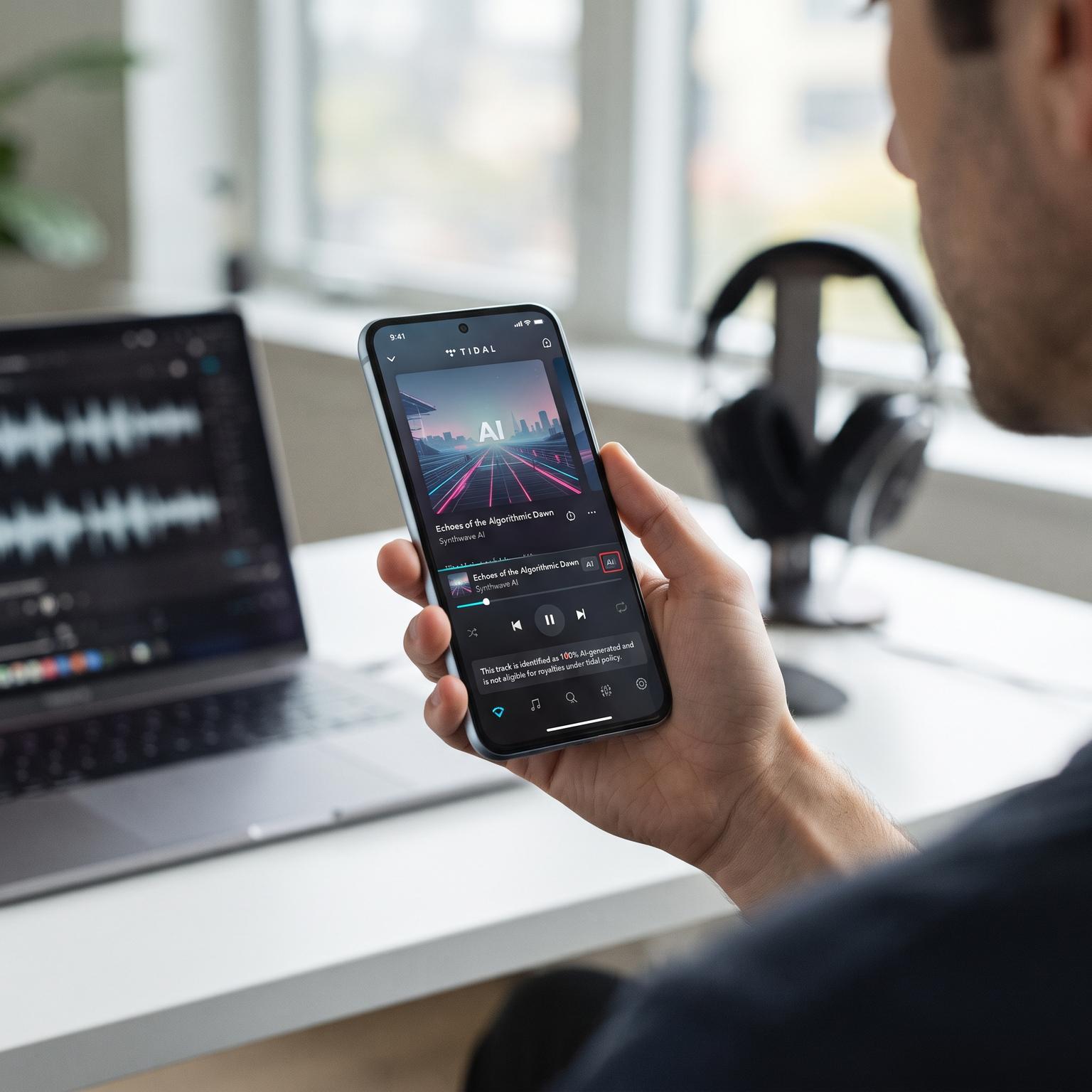
Tidal, the popular music streaming platform, made waves in the industry with its recent announcement to label AI-generated music and stop paying royalties for such tracks. Starting July 15th, Tidal will tag songs identified as 100% AI-generated with a special icon, making them non-monetizable. This move is part of Tidal’s effort to protect artists and inform listeners about the origin of the music they are consuming.
The decision to label AI-generated music comes at a time when the use of artificial intelligence in music production is on the rise. With advancements in AI technology, algorithms can now compose, produce, and even perform music, blurring the lines between human creativity and machine-generated content. Tidal’s initiative to distinguish AI-generated tracks aims to bring transparency to the music industry and ensure that artists receive proper recognition for their work.
While some may argue that AI-generated music lacks the emotional depth and authenticity of human-created compositions, others see it as a new frontier in music creation. AI algorithms can analyze vast amounts of data to generate unique melodies, harmonies, and rhythms that may surprise and delight listeners. However, the debate over the artistic merit of AI-generated music continues to divide opinions within the music community.
Tidal’s decision to stop paying royalties for AI-generated music raises questions about the future of music streaming platforms and their role in supporting artists. By refusing to monetize AI-generated tracks, Tidal is sending a clear message that it values human creativity and wants to ensure that artists are fairly compensated for their work. This move may influence other streaming services to adopt similar policies to protect the rights of musicians and uphold the integrity of the music industry.
The impact of Tidal’s AI labeling policy extends beyond the platform itself and could have broader implications for the music industry as a whole. As AI technology continues to evolve and play a larger role in music production, it becomes crucial for industry stakeholders to address the ethical and legal implications of AI-generated content. By taking a proactive stance on AI-generated music, Tidal is setting a precedent for transparency and accountability in the digital music landscape.
In conclusion, Tidal’s decision to label AI-generated music and withhold royalties for such tracks marks a significant development in the ongoing conversation about the intersection of technology and creativity in the music industry. As AI technology becomes more prevalent in music production, platforms like Tidal are faced with the challenge of balancing innovation with artist rights. By implementing clear policies on AI-generated music, Tidal is shaping the future of music streaming and setting a new standard for ethical practices in the digital music era.