









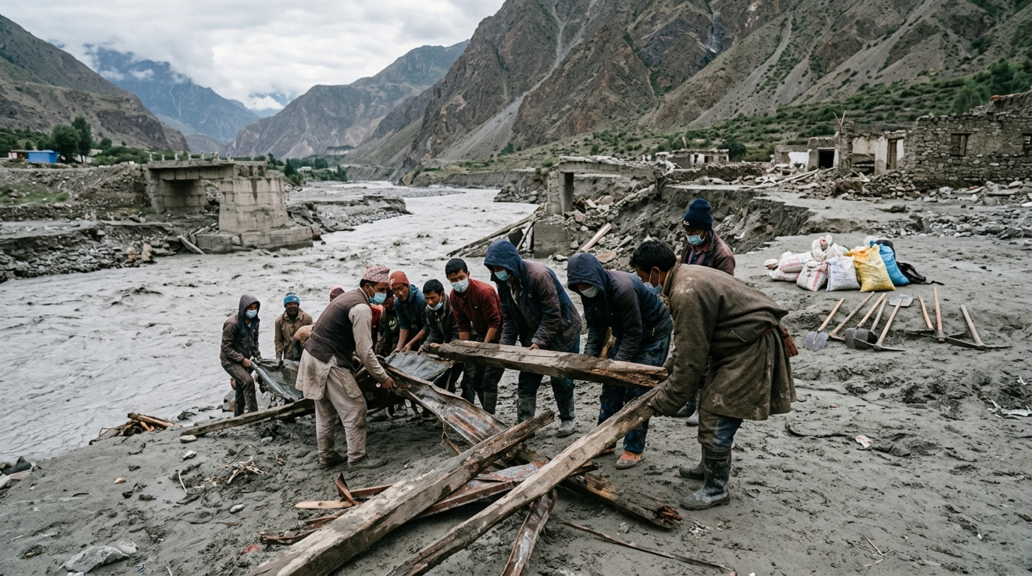
In the wake of the tragic floods on the Nepal-Tibet border, where 1,500 individuals are missing, we are reminded of the power of local initiative and community resilience. These devastating events underscore the importance of self-reliance and personal accountability in times of crisis. Rather than relying solely on government intervention, it is crucial for individuals and communities to come together, support one another, and rebuild with their own hands. This ethos of self-sufficiency and solidarity is a core tenet of conservative values, emphasizing the strength of families, neighborhoods, and voluntary associations in facing challenges head-on.
As conservatives, we believe in the power of free markets and individual initiative to drive economic growth and prosperity. Just as entrepreneurial freedom unleashes innovation and dynamism in the marketplace, so too does personal initiative and community spirit enable resilience in the face of adversity. By reducing red tape, fostering a culture of self-reliance, and upholding the rule of law, societies can weather storms and emerge stronger on the other side. The tragedy in Nepal and Tibet serves as a stark reminder of the importance of cultivating these values in our own communities.
Moreover, the floods in the Himalayas highlight the need for a balanced approach to disaster preparedness and response. While government assistance can play a role in providing immediate relief and support, it is ultimately the strength of local networks and individual actions that will determine the long-term recovery and rebuilding process. By encouraging self-reliant citizens and promoting civic engagement, we can create more resilient societies that are better equipped to handle unforeseen challenges.
In the aftermath of such catastrophic events, it is clear that traditional conservative values of family, community, and responsibility are more relevant than ever. The outpouring of support and solidarity from individuals and organizations around the world demonstrates the power of voluntary cooperation and mutual aid in times of crisis. By embracing these values and fostering a culture of self-reliance, we can ensure that our communities are better prepared to face whatever challenges come our way.
As we reflect on the tragedy unfolding in Nepal and Tibet, let us recommit ourselves to the principles of economic self-determination, personal accountability, and community resilience. By upholding these values and supporting initiatives that empower individuals and strengthen local networks, we can build a more prosperous and resilient society for all. Let us stand together in solidarity, shoulder to shoulder, as we navigate these difficult times and emerge stronger on the other side.