








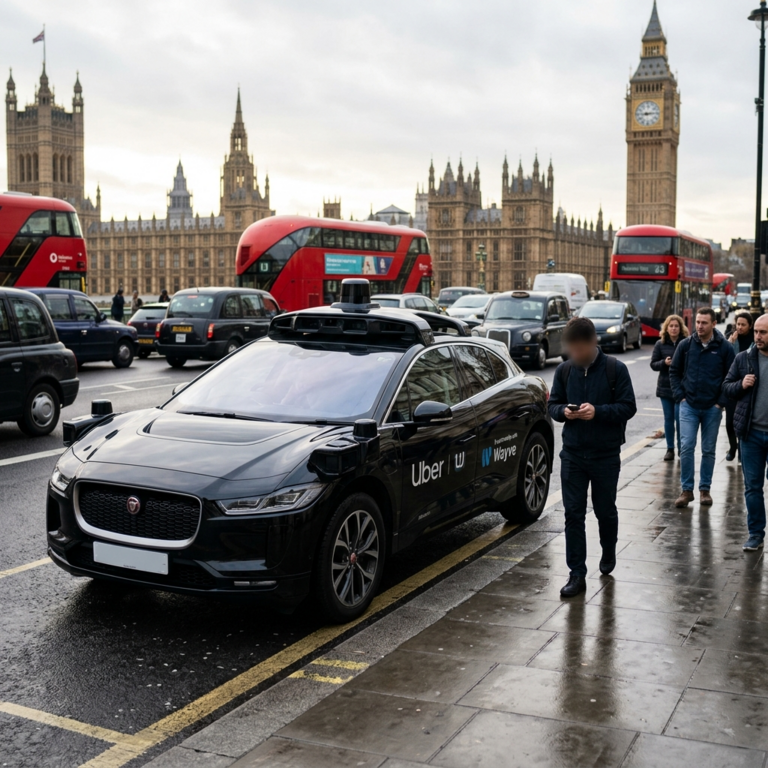
Uber, the ride-hailing giant, is set to make a groundbreaking move by introducing robotaxis in London. This development will allow riders to hail autonomous vehicles from Wayve, marking a significant shift in the way people commute in one of Uber’s largest markets. The partnership between Uber and Wayve signifies a major step forward in the adoption of autonomous ride-hailing services, with London serving as a crucial testing ground for this innovative technology.
The decision to launch robotaxis in London comes on the heels of Uber’s strategic partnerships with companies like May Mobility and Rivian, as well as significant investments in Nuro. These collaborations demonstrate Uber’s commitment to spearheading the development and deployment of autonomous vehicles in the ride-hailing sector. By leveraging cutting-edge technology and industry expertise, Uber aims to revolutionize the way people travel and pave the way for a future where autonomous vehicles are the norm.
The introduction of robotaxis in London is not just a bold move by Uber; it also has far-reaching implications for consumers, businesses, and society at large. For consumers, the convenience of hailing a self-driving car through a mobile app represents a significant leap in transportation efficiency and accessibility. By reducing the need for human drivers, robotaxis have the potential to lower costs for riders and increase overall safety on the roads.
From a business perspective, the adoption of autonomous vehicles in the ride-hailing market could lead to increased operational efficiency and scalability for companies like Uber. By integrating robotaxis into their fleet, Uber can offer a more diverse range of services and cater to a wider customer base. This strategic expansion into autonomous ride-hailing also positions Uber as a leader in innovation and sets the stage for future growth in the rapidly evolving mobility sector.
Moreover, the introduction of robotaxis in London signals a major shift in how cities approach transportation and urban planning. Autonomous vehicles have the potential to reduce traffic congestion, lower emissions, and improve overall mobility within urban environments. By embracing this technology, cities like London can pave the way for a more sustainable and efficient transportation system that benefits both residents and the environment.
In conclusion, Uber’s decision to launch robotaxis in London is a significant milestone that underscores the company’s commitment to innovation and leadership in the ride-hailing market. By partnering with Wayve and other industry players, Uber is driving the adoption of autonomous vehicles and revolutionizing the way people commute. As robotaxis become a reality on the streets of London, the implications for consumers, businesses, and cities are profound, setting the stage for a future where self-driving cars are an integral part of everyday life.