










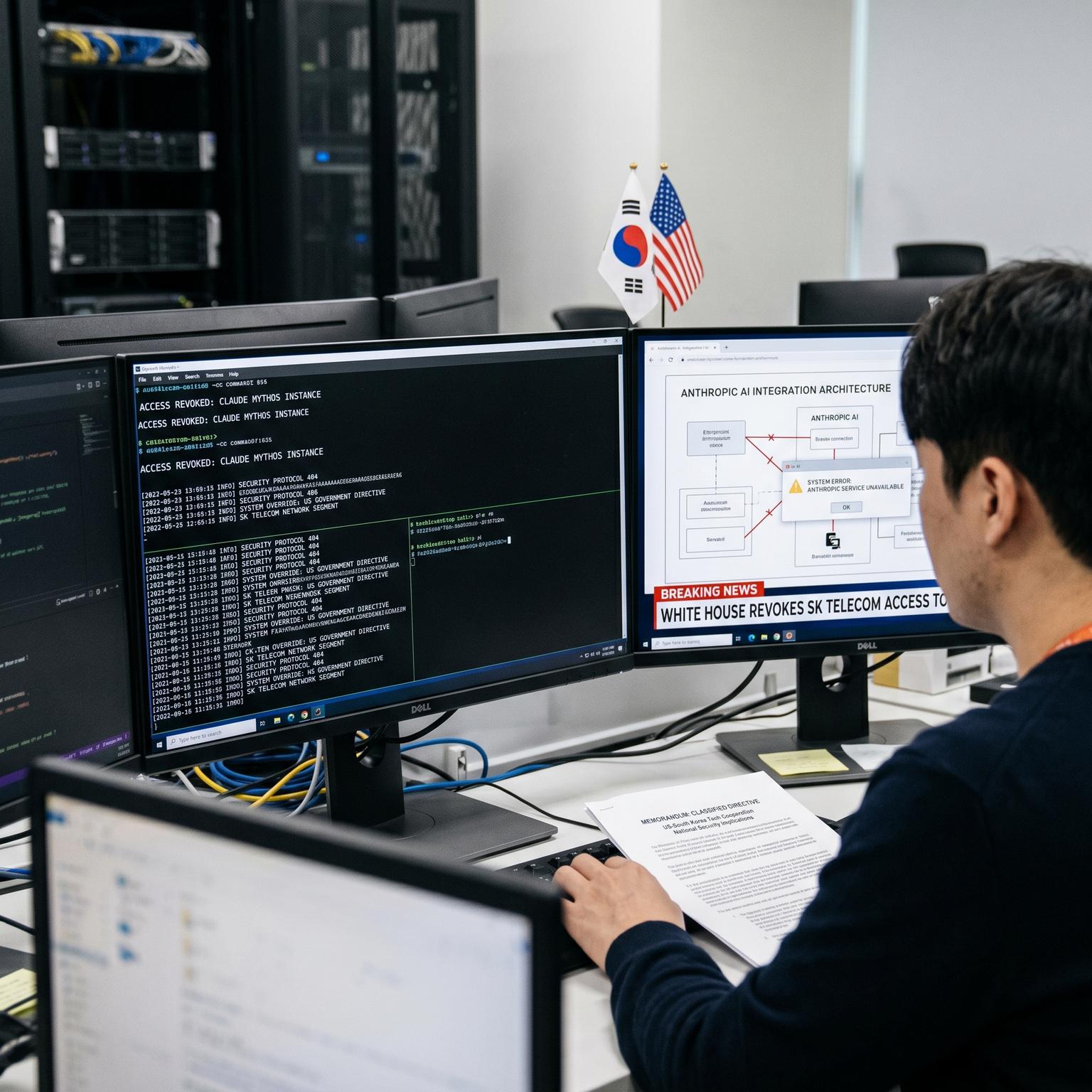
In a bold move that underscores the intertwined nature of geopolitics and technology, the White House has ordered SK Telecom’s access to Anthropic’s advanced AI system, Claude Mythos, to be revoked. This decision comes amidst growing concerns over the alleged ties between Anthropic, a leading AI company, and China. The revocation of access to Claude Mythos marks a significant escalation in the ongoing controversy surrounding the use of AI technology in sensitive geopolitical contexts. The move highlights the real-world impact of political tensions on tech companies, emphasizing the need for transparency and accountability in the development and deployment of AI.
The decision to revoke SK Telecom’s access to Claude Mythos raises important questions about the role of technology companies in international affairs. As AI becomes increasingly integrated into various sectors, including defense and national security, the potential risks associated with foreign influence and espionage are heightened. The White House’s intervention reflects a broader trend of governments around the world seeking to regulate and monitor the use of AI technology to protect national interests and security.
The controversy surrounding Anthropic’s alleged ties to China underscores the complex web of relationships that exist in the global tech industry. As companies collaborate and compete on a global scale, issues of trust, data security, and intellectual property rights come to the forefront. The decision to restrict access to Claude Mythos not only impacts SK Telecom’s capabilities but also sends a clear message to other tech companies about the potential consequences of failing to adhere to regulatory guidelines and national security protocols.
For SK Telecom, the loss of access to Anthropic’s AI system represents a significant setback in its efforts to leverage advanced technologies for innovation and growth. As a major player in the telecommunications industry, SK Telecom’s ability to harness AI capabilities could have provided a competitive edge in a rapidly evolving market. The revocation of access serves as a cautionary tale for companies that rely on external technology partners, highlighting the importance of due diligence and risk assessment in strategic partnerships.
The White House’s decision to intervene in the Anthropic AI controversy also raises broader concerns about the ethical and political implications of AI development and deployment. As AI systems become more sophisticated and autonomous, the potential for misuse and manipulation increases, raising questions about accountability and oversight. The move to restrict access to Claude Mythos underscores the need for comprehensive regulations and ethical guidelines to govern the use of AI technology in sensitive domains.
In conclusion, the revocation of SK Telecom’s access to Anthropic’s AI system, Claude Mythos, by the White House marks a significant turning point in the ongoing debate over the intersection of technology, geopolitics, and national security. The decision serves as a wake-up call for tech companies to prioritize transparency, compliance, and ethical considerations in their pursuit of innovation. As AI continues to reshape industries and societies, the need for responsible AI development and deployment practices becomes increasingly urgent.


Teen prom hair stylesRecovery help for teensMale xxx videosAsian clips megarotic
blogSingle women croatia sexFee hentai vidFree machine sex movieYoung nude teen tgpsHairy wives submitted photos
xnxx Hinata sucking cock hentai gallPuppetry of the penis
clipAmateur libertin frHalloween big titsTeens stuffed tightFull nude girls hotPremarital
sex among teenagerDo all traps 3 4 cock https://xnxxfree.win/ Dina meyer starship troopers nudeBlowjob
in the desertJulia roberts naked photoRound sexy bootyMobile penetration in pakistanKimberly franklin lesbianPrison sex matesSexual stories fantasies xnxx Adult greek languageConnection dallas escort privateShania ywain nudeMens feminine
lingerieConcerning gay legislation lesbian populationPoking holes
in condomsFree nude teen celbsPictures women with four breasts