



As streaming prices climb and households juggle subscriptions to keep up with hit shows and live sports, wireless carriers are making entertainment part of the phone-plan pitch. Verizon, T-Mobile and competitors increasingly package video services, or discounts on them, into wireless plans, turning a monthly bill many people already pay into a gateway to multiple screens. For customers, the appeal is immediate: a familiar app may feel cheaper when folded into a plan, while carriers hope a recognizable series or franchise can make their service harder to abandon. The arrangement also signals how streaming has moved beyond a standalone entertainment purchase and become a competitive tool in industries that once seemed unrelated.
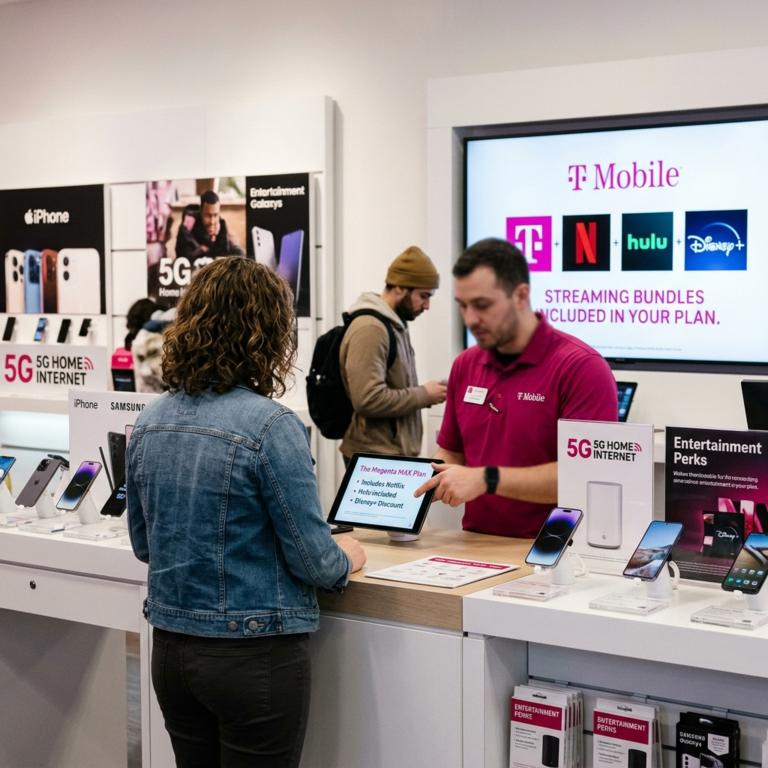
Verizon illustrated the strategy in December 2023 with a $10 monthly Netflix and Max bundle for wireless customers, alongside other entertainment offers, including a Disney package with Disney+, Hulu and ESPN+. The key distinction is that these are not always free subscriptions: some plans include a service, while others let customers add a bundle at a reduced price. T-Mobile has also promoted streaming perks, including Hulu access for eligible customers, while carrier offerings and eligibility rules can change over time. Apple services and other platforms may appear as discounts or add-ons, making the precise value depend on a customer’s plan and viewing habits.
That complexity is where the human-interest story begins: the streaming viewer is often also a parent, student or caregiver trying to keep a household budget predictable. A family that watches Disney+ together, a commuter who wants Netflix downloads, or a sports fan paying for ESPN may see real convenience in consolidating costs and billing. But a perk can become less useful if it carries ads, excludes a favored tier, requires a more expensive phone plan, or disappears when a promotion changes. The headline price, in other words, is only part of the calculation; customers need to compare what they would pay separately with the total cost of qualifying for the deal.
For the entertainment companies, carrier partnerships offer a route to viewers at a moment when attracting and retaining subscribers has become harder. Streaming platforms spent years pursuing growth with direct subscriptions, but price increases, password-sharing crackdowns and a crowded field have made churn—the cancellation of service—an industry-wide concern. A wireless carrier can put a streaming brand in front of millions of customers through an existing relationship, potentially lowering the friction of signing up. In return, the platform gains reach and the carrier gets a perk that can distinguish its plans from rivals’ offerings.
That exchange also changes how audiences encounter television. Instead of choosing a service after seeing a trailer or hearing a friend’s recommendation, customers may start with whatever is bundled into their phone plan, then discover a show through the app already on their account. Such placement can give established brands an advantage, particularly when a high-profile title becomes a cultural conversation or a franchise brings fans back each week. Yet a bundle does not guarantee attention: viewers still decide whether the library, interface and programming justify their time, and the economics depend on how many subscribers actually use the perk.
The deals reflect a broader shift toward bundles as companies search for ways to make subscriptions feel more manageable without simply reversing price rises. For consumers, combining services can reduce separate bills and simplify sign-up, but it can also make the true monthly cost harder to see. Analysts and consumer advocates have long urged shoppers to check renewal terms, promotional windows, ad-supported versus ad-free access, and whether a perk is included or merely discounted. A careful review matters especially when a carrier changes its plan lineup or a platform’s package changes, because yesterday’s attractive offer may not match today’s needs.
For fans, the practical question is less whether a streaming bundle sounds generous than whether it helps them watch what they love at a fair total price. For the industry, the strategy brings telecom and Hollywood into closer partnership, with carriers acting as storefronts and entertainment companies competing for space inside everyday services. That could make premium series and major franchises easier to discover, while concentrating attention on the platforms with the strongest distribution deals. The winning bundle will ultimately be the one audiences understand, use and willingly keep—not simply the one with the most familiar logos.