








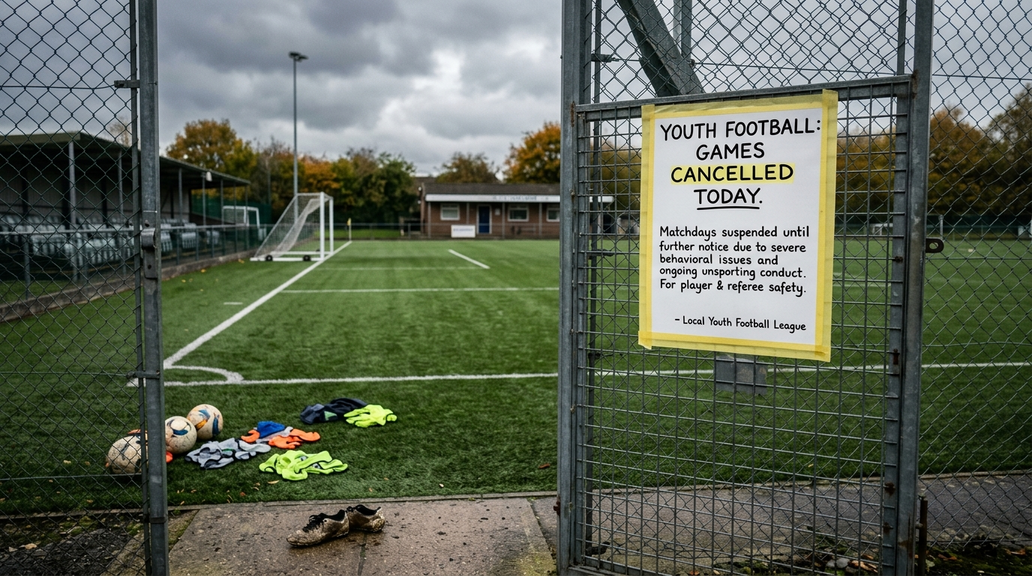
Youth football in Scotland is facing a crisis as severe behavioral issues have forced the cancellation of games in a youth football program. The alarming number of seventy-two red cards in the first week of the season has raised concerns about the state of the sport at the grassroots level. Reports of aggression and intimidation have highlighted the need for stronger leadership and safer environments in youth sports to ensure the development of character and confidence in young athletes.
The chaos and disruptive behavior at these youth football games have not only affected the players but also the coaches, parents, and officials involved. The cancellation of games due to such extreme behavior is a stark reminder of the importance of instilling values of respect, sportsmanship, and discipline in young athletes. It is essential for youth sports programs to prioritize creating a positive and supportive environment that fosters growth and development both on and off the field.
The impact of these behavioral issues goes beyond the immediate consequences of canceled games. It raises questions about the role of parents, coaches, and administrators in guiding and shaping young athletes. The need for mentorship, guidance, and role modeling in youth sports programs is crucial to help young players navigate challenges and learn valuable life lessons through sports.
As sports fans, parents, and community members, it is important to address these issues head-on and work towards solutions that promote a safe and positive environment for youth athletes. The future of sports depends on the values and principles instilled in young athletes today. By addressing behavioral issues early on and implementing strategies to promote sportsmanship and respect, we can ensure the long-term success and sustainability of youth sports programs.
The cancellation of games due to severe behavioral issues serves as a wake-up call for the entire sports community to reevaluate the priorities and values that we instill in young athletes. It is a reminder that sports are not just about winning and losing but about personal growth, character development, and building relationships. By fostering a culture of respect, integrity, and teamwork in youth sports, we can create a positive and enriching experience for all involved.
In conclusion, the crisis facing youth football in Scotland is a stark reminder of the challenges and responsibilities that come with developing young athletes. It is a call to action for parents, coaches, and administrators to prioritize the well-being and development of young athletes over the outcome of games. By working together to address behavioral issues and promote a positive sports culture, we can create a more inclusive, supportive, and rewarding experience for youth athletes.