







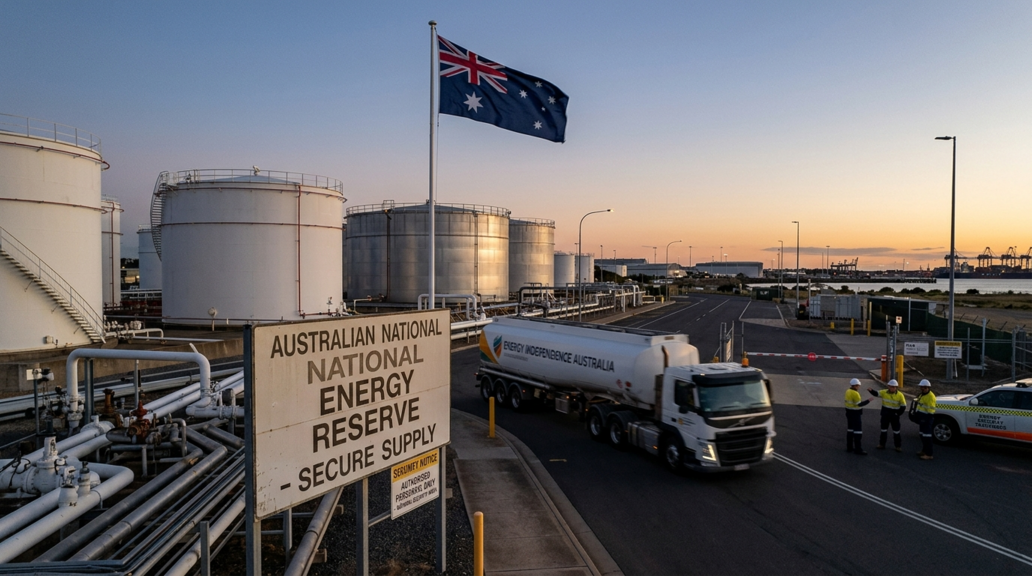
In the wake of Australia’s recent fuel crisis, the conversation around energy security and independence has taken center stage. As the government grapples with the repercussions of global tensions impacting fuel supplies, it becomes increasingly clear that a robust national security plan and a focus on economic self-reliance are paramount. This crisis serves as a stark reminder of the importance of reducing dependency on external sources and fostering domestic energy production. The recent efforts to tap into reserves, lower taxes, and implement strategic measures highlight the need for policies that prioritize sovereignty and self-sufficiency.
At the core of this debate lies the fundamental principle of economic self-determination. By reducing reliance on foreign imports and subsidies, Australia can strengthen its position in the global energy market and insulate itself from external shocks. Embracing entrepreneurial freedom and incentivizing domestic energy production will not only bolster the country’s economic resilience but also enhance its national security posture. It is imperative that policymakers prioritize policies that empower businesses and individuals to take charge of their energy needs, promoting a culture of self-reliance and innovation.
The current fuel crisis underscores the pitfalls of excessive government intervention and bureaucracy. By streamlining regulations, fostering a competitive market environment, and encouraging entrepreneurship, Australia can unlock its full economic potential and mitigate the risks of supply chain disruptions. Overreliance on subsidies and inefficient state control can stifle innovation and hinder economic growth, making a case for limited government interference and a more market-driven approach.
As conservatives, we must advocate for policies that uphold traditional values of family, community, responsibility, and the rule of law. By promoting individual accountability and self-reliance over state dependency, we can foster a society built on strong moral foundations and civic virtues. Embracing a culture of personal initiative and hard work not only strengthens the fabric of our communities but also lays the groundwork for sustainable economic prosperity.
Brexit stands as a powerful example of reclaiming sovereignty and charting a new course for economic renewal. By reclaiming control over trade policies, regulations, and borders, the UK has demonstrated the benefits of independence and self-governance. Australia can draw inspiration from this example and pursue a similar path towards greater economic autonomy and resilience in the face of global uncertainties.
In conclusion, the fuel crisis in Australia serves as a wake-up call for the need to prioritize energy security and independence. By embracing free-market principles, reducing red tape, and fostering a culture of self-reliance, the country can navigate challenges more effectively and build a more resilient economy. As conservatives, we must champion policies that empower individuals, support businesses, and uphold traditional values to ensure a prosperous and secure future for Australia.