









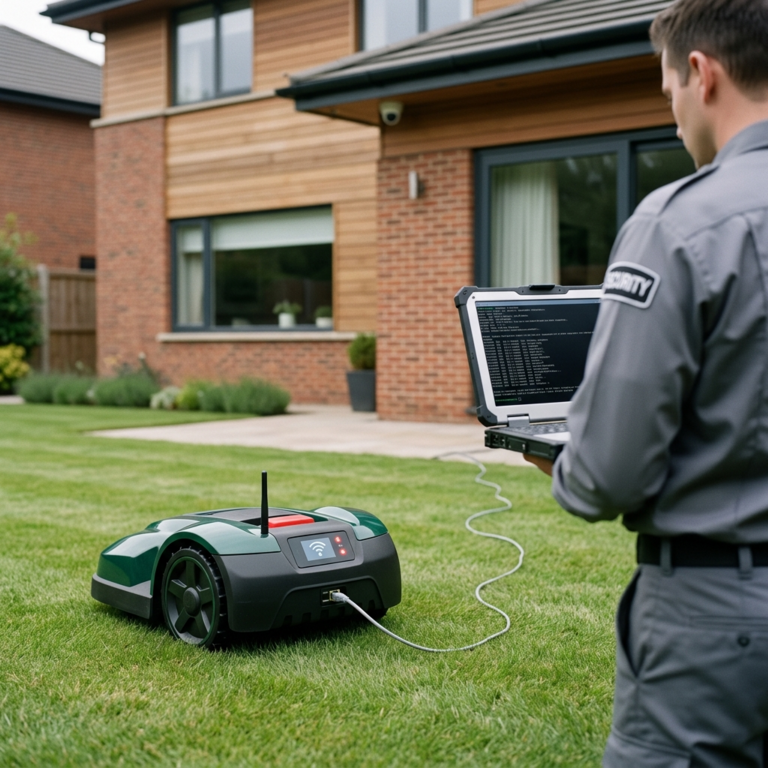
The recent discovery of a hackable robot lawn mower has sent shockwaves through the tech community, raising concerns for both homeowners and security companies. The implications of this vulnerability highlight the potential risks associated with IoT devices in smart homes. As cyber threats continue to evolve, it is becoming increasingly clear that businesses in the security industry may need to adapt their strategies to address vulnerabilities in connected devices.
The hackable robot lawn mower incident serves as a stark reminder of the importance of cybersecurity in the age of smart homes. With the increasing prevalence of IoT devices, such as robot vacuums and smart thermostats, consumers are unknowingly exposing themselves to potential security risks. In this case, a hacker was able to gain remote control of a robot lawn mower, posing a direct threat to homeowners and their property.
This development is particularly concerning for security companies, as it underscores the need for enhanced cybersecurity measures to protect against potential breaches. As more IoT devices enter the market, the attack surface for cybercriminals continues to expand, creating new challenges for the security industry. Companies in this space will need to invest in advanced threat detection and mitigation technologies to safeguard their customers’ homes and data.
The implications of a hackable robot lawn mower go beyond just security concerns—it also raises questions about the reliability and trustworthiness of smart home devices. Homeowners who have invested in these technologies may now be questioning the safety of their connected devices and the potential risks they pose. This incident serves as a wake-up call for consumers to be more vigilant about the security of their IoT devices and the importance of regularly updating firmware to patch vulnerabilities.
In the broader market, the hackable robot lawn mower story highlights the need for stronger regulations and standards around IoT security. As more devices become interconnected and reliant on cloud services, the potential for cyber attacks only grows. Governments and industry bodies must work together to establish guidelines that promote the secure development and deployment of IoT devices, ensuring that consumer safety remains a top priority.
Ultimately, the hackable robot lawn mower incident serves as a cautionary tale for both consumers and businesses in the tech industry. It underscores the urgent need for improved cybersecurity practices and the importance of proactive risk mitigation strategies. As the IoT landscape continues to evolve, it is essential for all stakeholders to prioritize security and take proactive steps to protect against emerging threats.
In conclusion, the discovery of a hackable robot lawn mower should serve as a wake-up call for the tech industry as a whole. It highlights the vulnerabilities inherent in IoT devices and the pressing need for enhanced cybersecurity measures. Moving forward, it is crucial for consumers to remain vigilant about the security of their smart home devices and for businesses to prioritize security in the design and development of connected technologies.