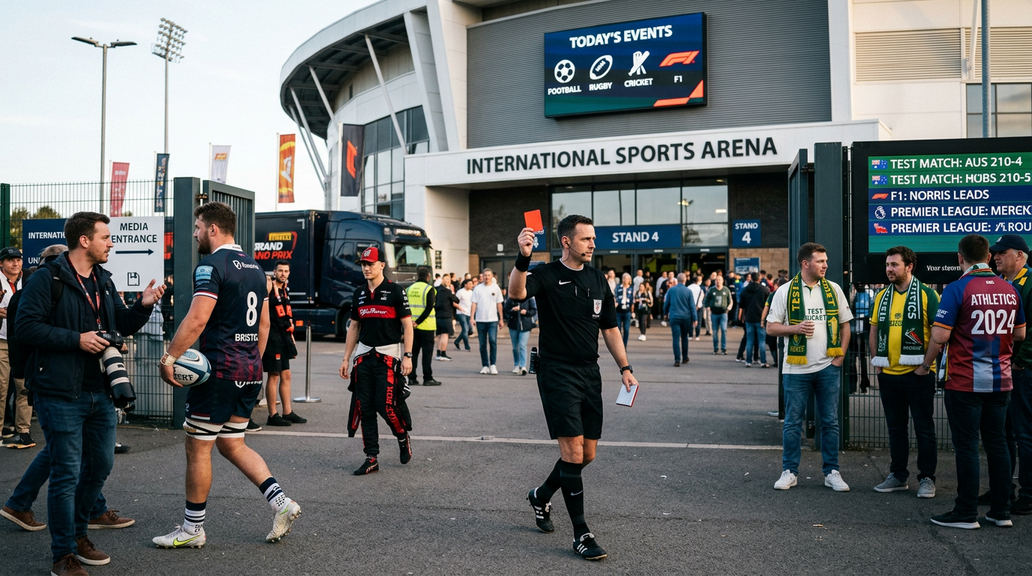










The FA Cup’s first round proper begins with 31 ties spread across a weekend, and its familiar promise is already clear: established league clubs face opponents who have spent months earning this chance. League One and League Two sides now join the competition, widening the stage and sharpening the stakes. For non-league hopefuls, a place in the spotlight can turn one afternoon into a defining chapter.
This is the point at which the tournament’s broad football map becomes vivid. Clubs from the third and fourth tiers arrive with professional experience and ambitions of their own, but the draw can put them opposite teams whose resources, routines and reputations are far smaller. That imbalance is not a footnote; it is the tension at the heart of the opening round. Every challenge, clearance and chance carries the possibility of changing the story.
For players at non-league clubs the build-up is a test of nerve as much as preparation. Many have balanced football with work or study and now confront opponents accustomed to full-time demands. Yet the Cup has never required a smaller club to dominate possession or control every phase. One sharp break, a set-piece or a goalkeeper’s brave intervention can make a celebrated visitor suddenly uncomfortable. The challenge is converting belief into disciplined performance when the noise rises.
League One and League Two entrants will be eager to avoid becoming supporting characters in someone else’s dream. Their league campaigns bring weekly pressure, but cup football asks a different question: can a side manage the unfamiliar urgency of a knockout contest, where a single mistake may end the journey? For managers, selection becomes a balance between momentum and opportunity. For supporters, the prospect of a tricky away day is part of the appeal.
Without VAR, every disputed moment remains in the hands of the officials on the pitch. That can heighten the tension and invite debate, but it also preserves the immediacy of football played at full speed. A late whistle, a goal surviving a flag or a penalty appeal can become part of the match’s lasting memory. The competition’s early rounds thrive on these raw, uncertain moments, not because every decision is perfect, but because the stakes feel immediate.
The crowd understands what is at stake beyond the scoreline. A giant-killing run can bring national attention, new income and memories that outlast the season, while a professional side knows that complacency can turn a routine assignment into a painful exit. That contrast gives neutral fans a reason to follow even when their own club is not involved. Each tie carries a different local history and a shared hope of advancement.
Across the weekend, the schedule offers 31 opportunities for heroes to emerge and expectations to be overturned. Upsets are never guaranteed; favourites expect to advance. But one touch can swing a tie, one result can reshape a club’s season, and one performance can carry a non-league team into conversation. That is the Cup’s enduring invitation: believe until the final whistle.