







Tesla’s Cybertruck is heading toward a production wind-down, a striking turn for an electric pickup that arrived wrapped in years of promises, controversy and theatrical design. Chief executive Elon Musk said on social media that Tesla will wind down Cybertruck production next year, but the company has not given a final date or explained what buyers should expect. He said the change will make room for the Cybercab, Tesla’s planned autonomous two-seat vehicle, signaling a shift in factory priorities rather than a disclosed decision to abandon the pickup immediately. The distinction matters: a wind-down can mean gradual reductions, not an instant shutdown, and Tesla has left the timeline and future availability unresolved. For owners and shoppers, uncertainty is now part of the product’s story.
The announcement puts a practical question behind the headlines: how long will customers be able to order a new Cybertruck, and in what configuration? Tesla has not specified whether it will stop taking orders, continue producing vehicles for a limited period, or keep the model available in smaller numbers after the change begins. Nor has it said whether service, parts and software support would change; a production reduction alone does not establish any such change. Buyers weighing a large, expensive electric pickup therefore have less certainty about delivery timing and future choice, even if the truck remains on sale for months. Anyone considering a purchase should check current ordering and delivery information directly with Tesla rather than treating “wind down” as a firm cutoff date.
The Cybertruck’s unusual path helps explain why the news carries extra weight. Tesla unveiled the angular, stainless-steel vehicle in 2019, generating enormous attention with a design unlike conventional pickups and ambitious claims about its capabilities. Deliveries began years later, after delays and changes to the original expectations; the finished truck arrived in a market where established automakers were also developing electric pickups. Its styling has divided opinion, while its size, price and specialized construction make it a more conspicuous bet than a mainstream family car. For Tesla, it became both a high-profile showcase of engineering ambition and a test of whether a distinctive electric truck could attract buyers beyond the company’s loyal fans.
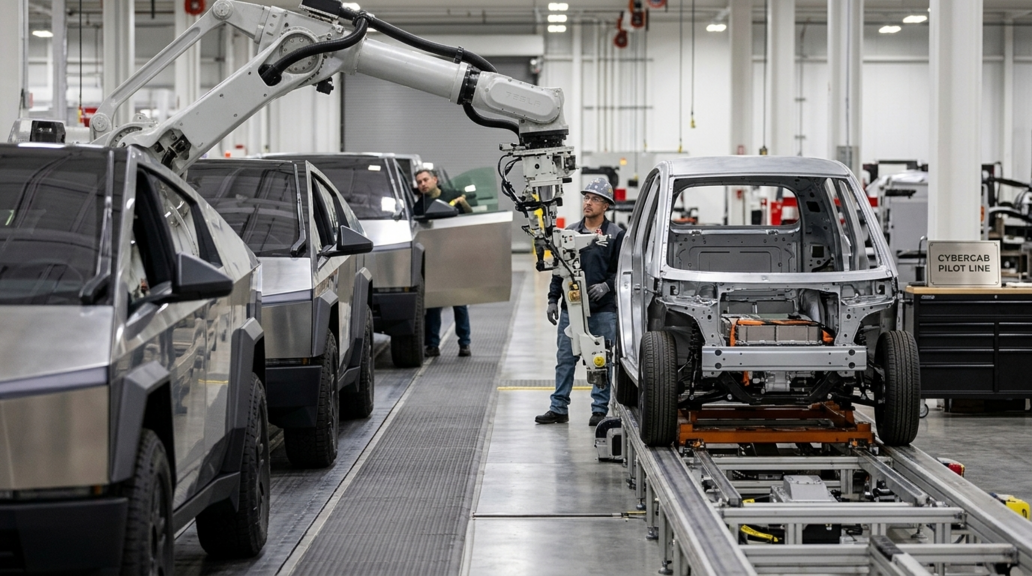
That test is unfolding against a tougher backdrop for electric vehicles. Automakers have had to balance investment in new models with slower-than-hoped adoption in some markets, pressure on prices, and the expense of expanding factories and charging access. Tesla, whose sales and reputation have long depended on a relatively concentrated lineup, faces the familiar challenge of keeping products fresh while directing capital toward its next growth story. The Cybertruck’s production footprint also matters: factory capacity, workers and supply arrangements devoted to one model cannot be redeployed instantly, but prioritizing another vehicle can change what receives resources. A planned wind-down may reflect a strategic choice about where Tesla sees the greater opportunity, although the company has not disclosed production targets or a detailed financial rationale.
That opportunity is the Cybercab, Tesla’s proposed autonomous vehicle, which Musk has presented as central to a future built around driverless transportation. The concept’s commercial promise depends on much more than manufacturing: reliable self-driving technology, regulatory permission, operating economics and public trust all have to come together. Making room for it in a factory signals that Tesla wants to turn its autonomy ambitions into a physical product, but it does not prove the Cybercab is ready for broad deployment or that customers will adopt it quickly. The contrast is sharp: the Cybertruck is a vehicle consumers can buy today, while the Cybercab represents a more speculative business model whose success remains uncertain. Factory decisions can reveal priorities; they cannot settle the technology or market questions.
For Cybertruck shoppers, the near-term implications are more concrete than the long-range vision. If production contracts, waits could become less predictable, and the choice of versions, colors or options may narrow, depending on how Tesla manages its remaining output. Scarcity could also affect resale values, but that is no guarantee: used prices depend on demand, financing costs, vehicle condition and the availability of competing trucks. Businesses considering fleets face additional questions about delivery schedules, maintenance and the ability to standardize vehicles over time. Tesla’s existing service network and software support remain important parts of ownership, but buyers should seek clear answers about warranty coverage and parts availability rather than infer a change from the production announcement alone.
The broader lesson is that electric-vehicle lineups are not fixed promises; they reflect shifting bets on demand, technology and capital. Tesla’s move may give the Cybercab a clearer path to factory resources, while leaving a smaller window for people drawn to the Cybertruck’s distinctive mix of utility and spectacle. Rivals will watch whether Tesla’s decision creates an opening in the electric-pickup market or simply confirms that the segment is difficult to scale profitably. For consumers, the announcement is a reminder to judge vehicles on present-day needs, not only a company’s future plans, and to verify availability before making a purchase decision. Until Tesla publishes dates and production details, the Cybertruck’s destination is clear only in broad terms: less factory attention, with the timing and consequences still to be determined.