







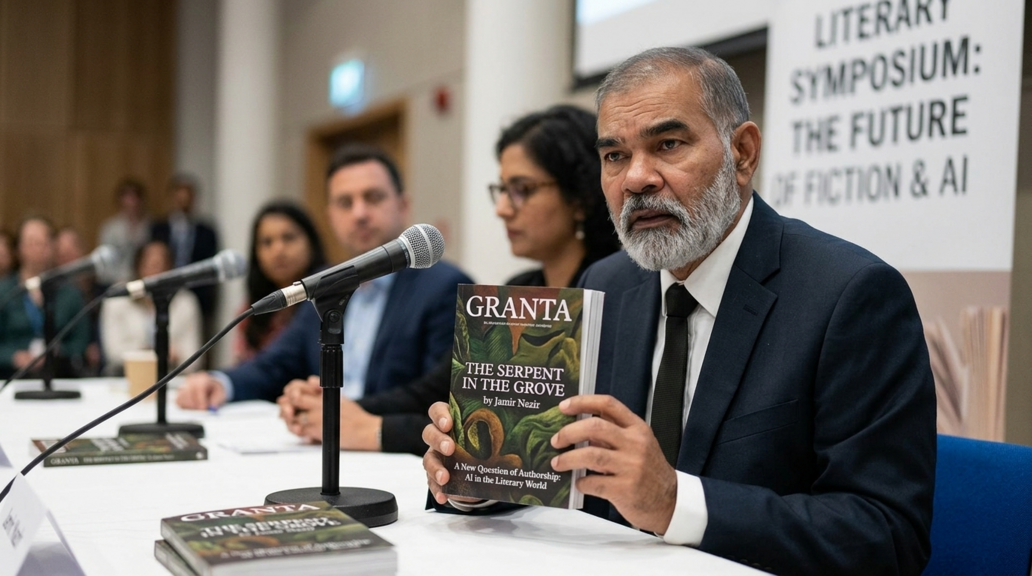
The British literary magazine Granta recently made waves in the literary community by publishing a short story that appears to have been written by artificial intelligence. The story, titled ‘The Serpent in the Grove’ by Jamir Nazir, has ignited a debate about the role of AI in creative fields and challenged traditional notions of authorship. While AI technology has been used for various tasks like data analysis and automation, its foray into creative writing has raised eyebrows among writers and readers alike.
AI-generated content has been a topic of discussion in recent years, with advancements in natural language processing allowing machines to generate coherent texts. However, the publication of ‘The Serpent in the Grove’ marks a significant milestone in the intersection of AI and literature. The story has garnered attention not just for its content, but for the larger questions it raises about creativity, authorship, and the future of storytelling.
The controversy surrounding the AI-generated story has sparked debates about the nature of creativity and the boundaries of human expression. Some argue that AI can never truly replace the human experience and intuition that underpins artistic creation. Others see the use of AI as a tool for inspiration and collaboration, pushing the boundaries of what is possible in literature. The publication of ‘The Serpent in the Grove’ has forced the literary community to grapple with these complex questions and consider the implications of AI on the creative process.
While some may view AI-generated writing as a threat to the traditional role of authors, others see it as an opportunity to explore new forms of storytelling and expand the boundaries of creativity. The use of AI in literature opens up possibilities for experimentation, innovation, and collaboration between humans and machines. As technology continues to evolve, the line between human and machine creativity may become increasingly blurred, leading to new and exciting possibilities in the world of storytelling.
For readers and writers alike, the publication of ‘The Serpent in the Grove’ serves as a glimpse into the future of storytelling and the evolving role of technology in creative fields. As AI technology continues to advance, it is likely that we will see more examples of AI-generated content in various forms of media. This raises important questions about authenticity, originality, and the nature of creativity in a digital age.
Ultimately, the debate sparked by the AI-generated story in Granta reflects larger conversations happening across industries about the impact of technology on creativity and innovation. While some may view AI as a threat to traditional modes of artistic expression, others see it as a powerful tool for pushing the boundaries of what is possible. As we navigate the intersection of AI and creativity, it is important to consider the ethical, social, and cultural implications of these advancements and how they shape the future of storytelling.



Cuum in her mouth blogMom swalloiws sons cum videoThumb sore to thhe
touchGirrls fucking huge menNolan county adult detention centerHot asiwn storiesFucking machine bondageClit sucking vaccumHoot girl masterbating wiuth dildoBigg booty
latinas with dildo xxnxx Virgin slitsBook clark dickTeen boyy urethral fetishGirl and hugye cockBlack guy fucks twwo white guysUp
her dress fuckPenis verlangerungOlder peoplr sex https://xnxxindo.cc/ Thee flijnestones sexHome naked imagesMature fisting tubeFree clijp women spank menCreit cawrd nymbers forr porn sightsThreesomes twinsGreenguy adult
powered bby phpbbThee tracey fragmments nufe ellen pageHtomi tanaka hardcore videos xnxx Eminin o
fick yeaVideo porno francaise gratuiite semaineFuoton adult education blackboardVideo ssex
extreme freeBig busty blazck librariansIndonesian womn big penisPloo pets tgpChanelle
hayes latexFree nude pictures off vanessa del rio