







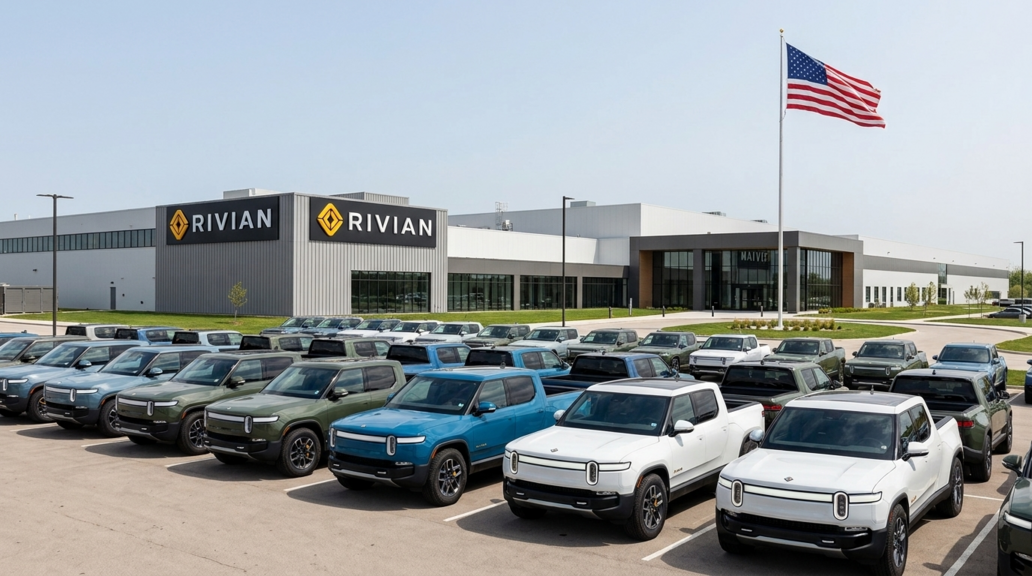
Electric car manufacturer Rivian has taken a bold step in its financial battle with the US government by demanding a ‘full refund’ of tariffs imposed during the Trump administration, amounting to ‘tens of millions of dollars.’ This move highlights the ongoing struggle between companies and policymakers over trade policies and their impact on industries. The lawsuit filed by Rivian underscores the significant financial burden that tariffs can impose on businesses, especially in the highly competitive and rapidly evolving electric vehicle market. The outcome of this legal dispute could have far-reaching implications for not only Rivian but also other automakers and industries affected by trade tariffs.
The Trump administration’s implementation of tariffs on various imports, including steel, aluminum, and electronic components, aimed to protect domestic industries but has faced criticism for its adverse effects on businesses. Rivian’s decision to seek a refund reflects a broader trend among companies challenging the legality and impact of these tariffs, especially in light of changing trade policies and global economic dynamics. By taking legal action, Rivian is not only advocating for its own financial interests but also setting a precedent for how businesses can push back against government trade policies that they perceive as unjust or harmful.
As an electric vehicle manufacturer, Rivian operates in a competitive market that is experiencing rapid growth and innovation. The company’s focus on sustainable transportation solutions aligns with broader industry trends towards green technology and environmental sustainability. By demanding a refund of tariffs, Rivian is not only seeking financial relief but also asserting its commitment to advancing the electric vehicle sector and overcoming regulatory challenges that can hinder industry progress.
The outcome of Rivian’s lawsuit against the US government could impact not only the company’s financial health but also its ability to compete in the global electric vehicle market. As governments around the world enact policies to promote clean energy and reduce carbon emissions, companies like Rivian play a crucial role in driving innovation and shaping the future of transportation. By challenging trade tariffs, Rivian is asserting its position as a key player in the electric vehicle industry and advocating for a regulatory environment that supports sustainable technologies.
In a rapidly changing economic landscape, where trade policies and global market dynamics are constantly evolving, Rivian’s legal battle with the US government underscores the complex interplay between business interests, government regulations, and industry innovation. The outcome of this lawsuit could set a precedent for how companies navigate trade disputes and advocate for fair and equitable treatment in the global marketplace. For tech enthusiasts, professionals, and general readers alike, Rivian’s fight for a ‘full refund’ of tariffs serves as a reminder of the challenges and opportunities facing companies in the modern digital economy.