









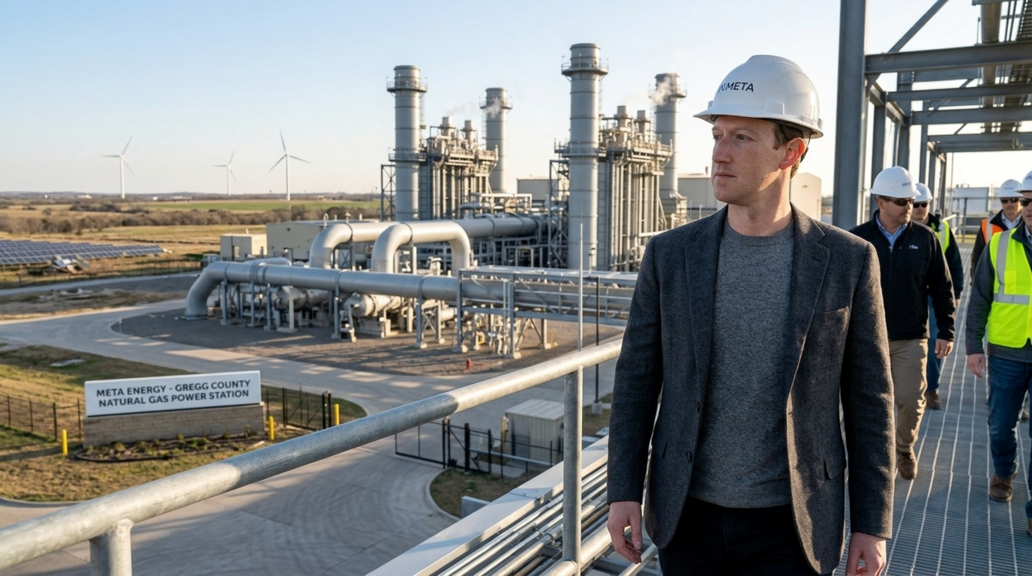
Meta, formerly known as Facebook, recently made headlines with its decision to drop out of a major clean energy pact while simultaneously ramping up its natural gas investments. This move by Meta to shift towards natural gas instead of renewable energy sources is reflective of a broader trend within the tech industry. The decision to prioritize natural gas over clean energy raises questions about the company’s energy strategy and environmental impact moving forward.
The tech industry has long been viewed as a leader in adopting sustainable practices and investing in renewable energy sources. However, Meta’s pivot towards natural gas suggests a departure from this trend. As one of the largest tech companies in the world, Meta’s decision could have far-reaching implications for the industry as a whole. It raises concerns about the prioritization of profits over sustainability and the potential consequences for the environment.
The shift towards natural gas comes at a time when the world is facing increasing pressure to address climate change and reduce carbon emissions. With governments and businesses around the globe committing to renewable energy targets, Meta’s move raises eyebrows. It also highlights the complex relationship between technology companies, energy consumption, and their impact on the planet. The tech industry’s role in addressing climate change is crucial, and Meta’s decision could have ripple effects across the sector.
From a practical standpoint, Meta’s move towards natural gas could have implications for its operations, costs, and overall energy efficiency. While natural gas is often touted as a cleaner alternative to coal and oil, it still comes with its own set of environmental challenges. The increased reliance on natural gas could impact Meta’s carbon footprint and sustainability goals. It may also affect how the company is perceived by consumers, investors, and other stakeholders.
As tech enthusiasts and professionals, it’s important to pay attention to Meta’s shift towards natural gas and its implications for the industry. This move could signal a broader trend away from clean energy investments and towards more traditional energy sources. It raises questions about the responsibility of tech companies to prioritize sustainability and the role they play in combating climate change. It also underscores the need for transparency and accountability in the tech sector when it comes to environmental practices.
In conclusion, Meta’s decision to prioritize natural gas over clean energy reflects a shifting landscape within the tech industry. As a major player in the global tech ecosystem, Meta’s move could influence how other companies approach their energy strategies. It also serves as a reminder of the importance of sustainability and environmental stewardship in the tech sector. Moving forward, it will be crucial for tech companies to balance innovation and growth with a commitment to reducing their environmental impact. The implications of Meta’s shift towards natural gas are significant, and tech enthusiasts should keep a close eye on how this trend evolves.