









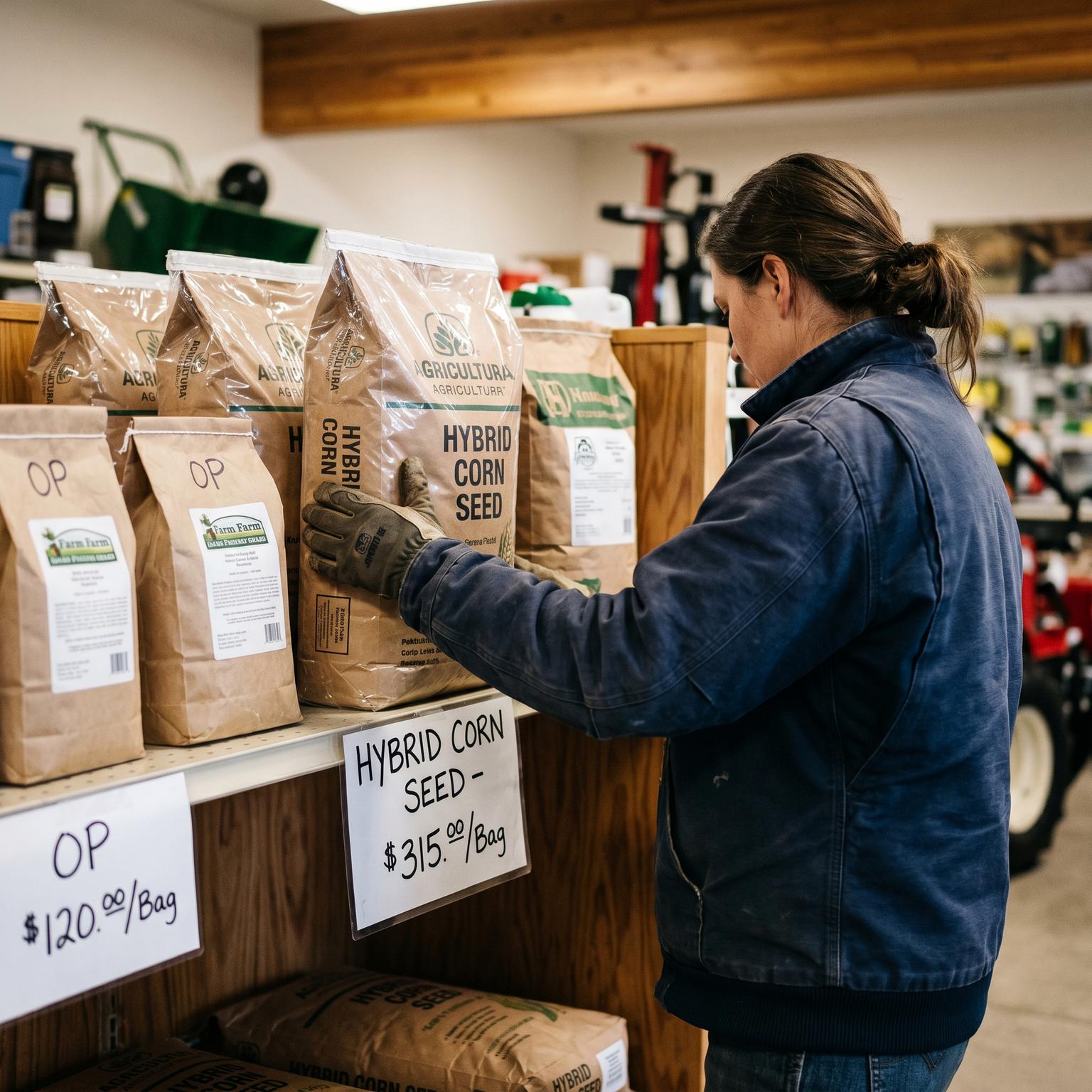
As patents on plant varieties in the US continue to rise, consumers are feeling the impact through increased prices and limited options. The trend of patenting seeds has been on the rise for years, leading to a consolidation of power in the agriculture industry. This has resulted in fewer choices for consumers and a lack of diversity in seed options, ultimately affecting the availability of different plant varieties for both farmers and gardeners.
The issue of patents on seeds has far-reaching implications beyond just the price tag on a packet of seeds. With fewer companies controlling the seed market, there is less competition and incentive for innovation. This lack of diversity in the seed market can have detrimental effects on biodiversity, as certain plant varieties may become dominant while others are pushed to the sidelines. This could have long-term consequences for the sustainability of our food systems.
One of the key drivers behind the rise in seed prices is the increasing dominance of genetically engineered seeds. These patented seeds often come with higher price tags and limited options for farmers and consumers alike. The concentration of power in the hands of a few seed companies has allowed them to dictate prices and control the seed market, leaving farmers and consumers with little room for negotiation.
The impact of patents on seeds is not just limited to the agriculture industry. Consumers may find themselves paying higher prices for produce at the grocery store, as the cost of seeds trickles down the supply chain. This can have a significant impact on household budgets, particularly for those who rely on fresh produce as a staple part of their diet. Additionally, the lack of diversity in seed options can lead to a homogenization of our food supply, limiting the variety of fruits and vegetables available to consumers.
In response to the growing concerns over patents on seeds, there has been a push for greater transparency and regulation in the agriculture industry. Advocates argue that farmers and consumers should have the right to save seeds and exchange them freely, rather than being locked into proprietary seed systems. This movement towards open-source seeds and seed-sharing initiatives aims to promote biodiversity and ensure that a wider range of plant varieties remain available to farmers and gardeners.
As consumers navigate the complex landscape of patents on seeds, it is important to stay informed and advocate for policies that promote diversity and sustainability in our food systems. The impact of patents on seeds goes far beyond the price tag on a packet of seeds—it affects the very foundation of our food supply and the choices we have as consumers. By supporting initiatives that promote seed sharing and biodiversity, we can work towards a future where a wider range of plant varieties are available to farmers and gardeners alike.