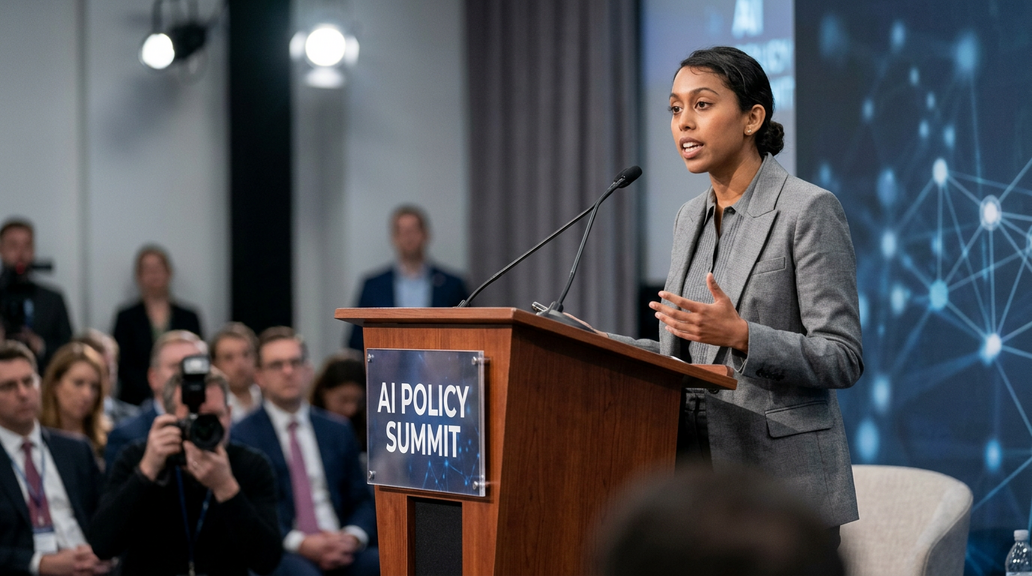







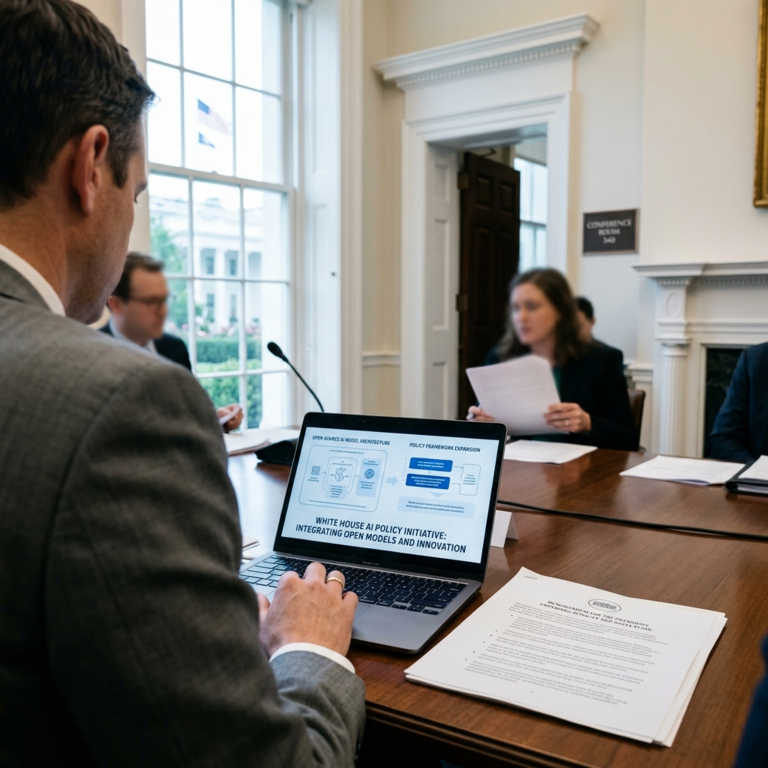
The White House is poised to make a significant move in the world of artificial intelligence (AI) by considering the integration of open models into its AI policy framework. This potential shift reflects a broader industry trend towards more comprehensive regulation and oversight in the rapidly evolving AI landscape. The move underscores the ongoing challenge of finding a delicate balance between encouraging innovation while ensuring responsible use of AI technologies.
The incorporation of open models into the White House’s AI policy framework represents a departure from traditional closed-source approaches to AI development. Open models, which are based on open-source principles, offer increased transparency and accessibility to AI algorithms and data, allowing for greater collaboration and scrutiny by researchers, developers, and the public. This shift towards openness signals a growing recognition of the importance of accountability and ethical considerations in AI development and deployment.
The White House’s potential embrace of open models comes at a time when the AI industry is facing mounting pressure to address concerns around data privacy, bias, and algorithmic transparency. By endorsing open models, the White House is signaling a commitment to fostering a more inclusive and responsible AI ecosystem that prioritizes fairness, accountability, and societal well-being. This move could set a new standard for AI governance and encourage other government agencies and industry stakeholders to adopt similar practices.
The integration of open models into the White House’s AI policy framework has the potential to have far-reaching implications for tech users, businesses, and society at large. By promoting transparency and collaboration in AI development, open models could help mitigate issues related to bias, discrimination, and lack of accountability in AI systems. This, in turn, could bolster trust in AI technologies, leading to increased adoption and innovation across various sectors.
From a business perspective, the adoption of open models by the White House could create new opportunities for companies that prioritize ethical AI practices and transparency. By aligning with the White House’s AI policy framework, businesses can demonstrate their commitment to responsible AI development and gain a competitive edge in an increasingly scrutinized market. This shift towards openness could also drive innovation and collaboration among industry players, leading to the development of more robust and reliable AI solutions.
Overall, the White House’s potential expansion of AI policy to include open models reflects a broader industry shift towards greater accountability and transparency in AI development. By embracing open-source principles, the White House is sending a clear message that responsible AI governance is essential for the future of technology. This move has the potential to not only shape the direction of AI regulation but also pave the way for a more ethical and inclusive AI ecosystem for generations to come.