






Collins English Dictionary has chosen “mogging” as its 2026 Word of the Year, giving a fast-moving internet expression the kind of formal recognition once reserved for words that had already crossed into everyday speech. The selection does more than certify a trend: it records how online communities now help decide which phrases travel from feeds and comment sections into the wider vocabulary. For fans, the announcement is a reminder that the language around entertainment is not simply handed down by studios, celebrities or critics. It is also made by audiences watching, joking, ranking and reacting together, often at remarkable speed. That shift matters when pop culture is increasingly experienced through screens and shared language.
Mogging is commonly used to describe one person outshining or outclassing another, especially in appearance, stature or overall presence. Online, the word can function as a boast, a playful comparison or a cutting judgment, depending on who uses it and where. That flexibility helps explain its reach: a compact label can turn a visual impression into a joke, a challenge or a whole comment-thread argument. Yet dictionary recognition does not make every use harmless or universally understood; slang carries the attitudes of the spaces where it grows. It is particularly at home in image-driven platforms, where users compare looks, outfits, athleticism and confidence, and where a short caption can travel faster than its explanation.
The word’s path into a major dictionary points to a larger change in how language is documented. Dictionaries have traditionally been seen as authorities that define words after they become established, but their annual selections also act as cultural snapshots. A Word of the Year is not a declaration that everyone uses the term, or an endorsement of every meaning attached to it. Rather, it signals that editors consider a word visible enough to capture something about the moment. In this case, that moment is shaped by social platforms, where jokes and judgments can move from niche communities into mainstream conversation almost overnight.
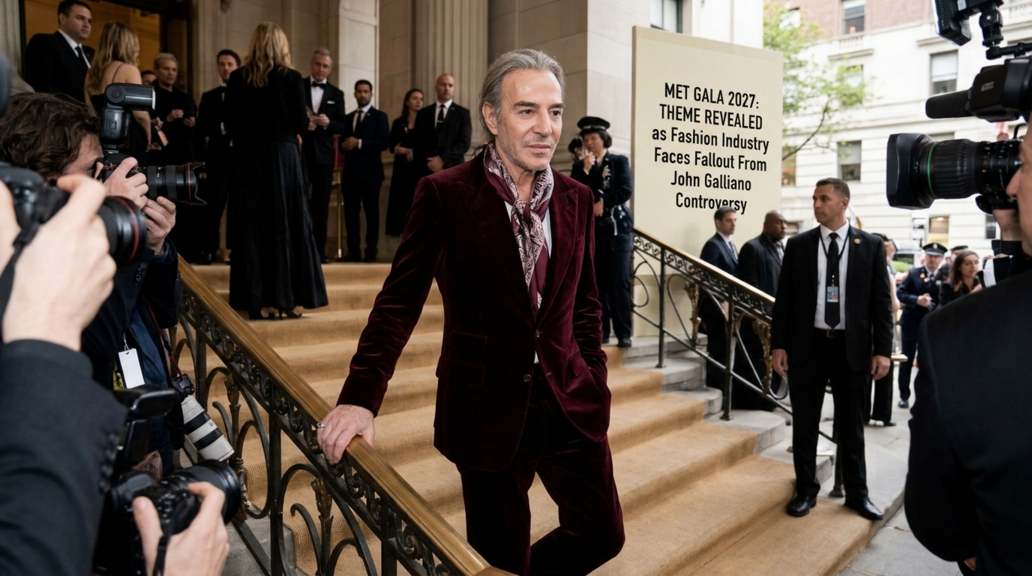
Entertainment has long helped popularize slang, from catchphrases in films to phrases repeated by musicians and television characters. Today, that influence runs in both directions: fans borrow language from screen culture, then use it to describe celebrities, fictional characters and one another. Mogging fits especially neatly into a visual entertainment landscape built around red carpets, fashion imagery, fitness culture and carefully composed social posts. A single comparison can turn a celebrity photograph into a meme, while audience-made captions can give an image a second life beyond its original publicity purpose. The dictionary’s choice therefore reflects not only a word’s spread, but also the internet’s habit of turning looking into commentary.
For performers and public figures, the term sits within a broader culture of constant comparison. Stars have always been measured against peers, whether through box-office results, chart positions, awards or fashion coverage; online audiences can now make those comparisons personal and instantaneous. The language may be playful among friends, but it can also reinforce narrow standards about bodies, attractiveness and status. That tension is part of the word’s cultural significance: slang can be funny and communal while still carrying a sharper edge. Fans encountering it in a post or headline may want to know not just what it means, but who is using it and whether the joke is punching up, teasing or simply ranking people.
For the entertainment business, the recognition offers another reminder that audience behavior shapes the cultural conversation around releases and stars. Studios and talent teams increasingly communicate in spaces where trends can emerge without a marketing campaign, and where a phrase can become shorthand for a look, performance or public moment. That does not mean every viral expression can—or should—be turned into promotion. The appeal of internet slang often depends on its spontaneity, and audiences can quickly reject language that feels forced or borrowed for commercial effect. Still, understanding the vocabulary fans use helps explain how they build communities around shared references, reactions and running jokes.
Collins naming mogging its 2026 Word of the Year gives the term a new kind of visibility, while preserving the fact that its meaning depends on context and community. For readers outside the online circles where it flourished, the choice offers a small translation guide to how contemporary pop culture speaks. For younger users, it recognizes a way of talking that may feel ordinary in a feed but newly notable on a dictionary page. And for entertainment fans more broadly, it captures a shift in cultural authority: audiences do not merely watch stars and stories; they supply the language through which those images are interpreted. That language keeps changing, and the dictionary is following the conversation.