






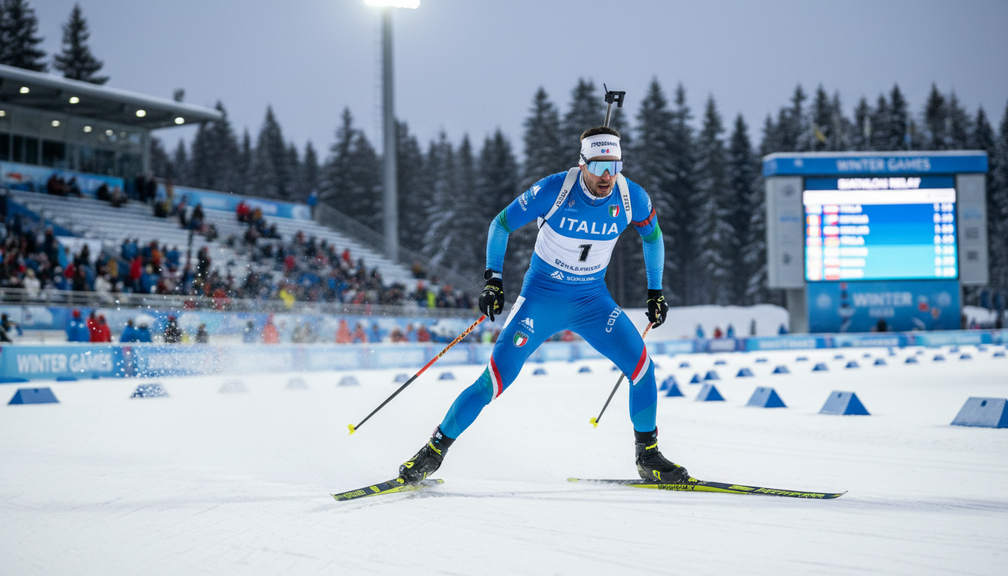
Italian biathlete Rebecca Passler has been given the green light to compete in the Winter Olympics after successfully overturning a doping suspension linked to letrozole. The 24-year-old’s reinstatement to the Italian Olympic squad comes as a mix of redemption and controversy, adding a layer of drama to the upcoming games in Milan-Cortina. Passler’s journey to the Olympics has been tumultuous, with the cloud of doping allegations casting a shadow over her career. However, her perseverance and determination have ultimately paid off, allowing her to showcase her talents on one of the biggest stages in sports.
The decision to clear Passler for the Winter Olympics has sparked debate among fans and officials alike. While some believe in second chances and the concept of redemption in sports, others question the integrity of allowing a previously suspended athlete to compete at such a prestigious event. Passler’s case highlights the complexities of doping in sports and the challenges faced by athletes navigating the fine line between performance enhancement and fair play.
As Passler prepares to take to the biathlon course, all eyes will be on her performance and how she handles the pressure of competing on the Olympic stage. The women’s relay event, in particular, will be a crucial test of her skills and mental fortitude, as she aims to help her team secure a medal for Italy. The narrative of Passler’s comeback adds an extra layer of intrigue to the competition, drawing both supporters and skeptics to watch her every move.
For Italian sports fans, Passler’s clearance for the Winter Olympics represents a mix of emotions. While many will rally behind her as she competes on home soil, others may have reservations about her past actions and their implications for the integrity of the sport. The spotlight will be firmly on Passler as she navigates the challenges of redemption and competition, seeking to leave a lasting impression on the biathlon community.
In the broader context of the Winter Olympics, Passler’s story serves as a reminder of the complexities and controversies that often surround elite sports. Doping scandals have plagued various disciplines over the years, raising questions about the effectiveness of anti-doping measures and the ethical standards upheld by athletes and governing bodies. Passler’s case underscores the need for vigilance and transparency in the fight against performance-enhancing substances, ensuring a level playing field for all competitors.
As the Winter Olympics draw near, the focus will inevitably shift to the athletes and their quest for glory on the snow and ice. Passler’s presence in the biathlon events will add an extra layer of intrigue and suspense, as fans and critics alike watch her every move with bated breath. Whether she emerges victorious or faces further scrutiny, Passler’s journey to the Winter Olympics is a testament to the resilience and tenacity of athletes in the face of adversity.