






In a rapidly evolving threat landscape, IT teams and Managed Service Providers are turning to integrated, AI-driven systems to meet the demand for faster service delivery. The integration of AI and automation is becoming essential for navigating the complexities of modern IT environments.
The use of AI and automation in IT service delivery is revolutionizing the way organizations manage their technology infrastructure. By leveraging AI-powered tools, IT professionals can automate routine tasks, identify potential security threats, and streamline troubleshooting processes. This not only increases efficiency but also enhances the overall security posture of businesses in the face of evolving cyber threats.
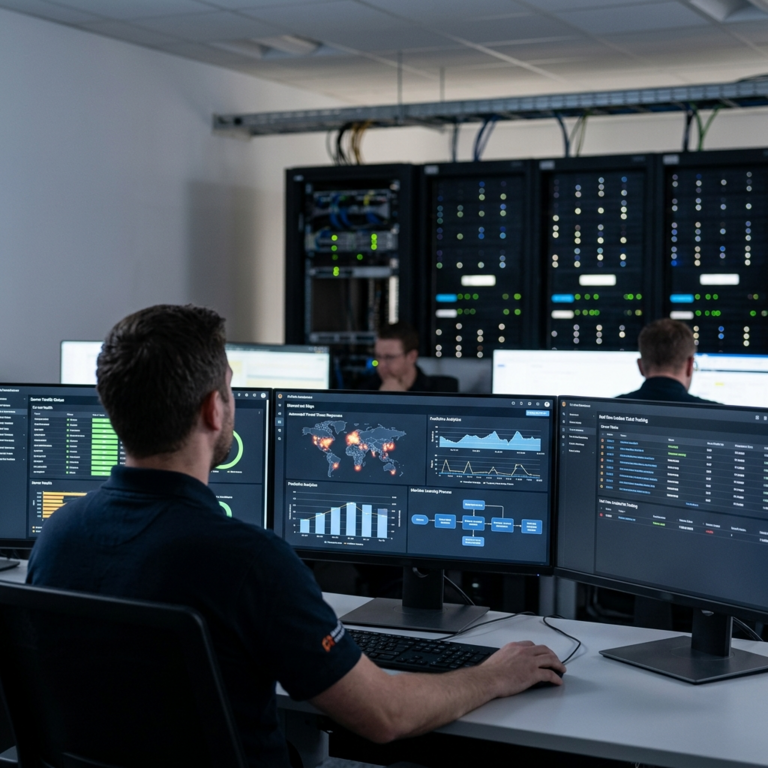
One of the key benefits of AI-driven IT service delivery is the ability to proactively detect and mitigate potential issues before they escalate into major disruptions. By analyzing vast amounts of data in real-time, AI systems can identify patterns and anomalies that human operators might overlook. This proactive approach helps organizations prevent downtime, improve system reliability, and ultimately deliver a better user experience.
Moreover, AI and automation enable IT service providers to scale their operations more effectively in response to growing demand. With automated workflows and intelligent decision-making capabilities, organizations can handle a larger volume of service requests without compromising on quality. This scalability is crucial for businesses looking to expand their digital footprint and support a remote workforce in today’s fast-paced, globalized economy.
The integration of AI and automation is also driving innovation in IT service delivery by enabling predictive analytics and personalized user experiences. By analyzing historical data and user behavior, AI systems can anticipate future needs, recommend tailored solutions, and deliver proactive support. This level of personalization not only enhances customer satisfaction but also fosters long-term loyalty and brand advocacy.
As AI and automation continue to shape the future of IT service delivery, organizations must invest in upskilling their workforce to leverage these technologies effectively. IT professionals need to develop new skill sets, such as data analysis, machine learning, and algorithm design, to work alongside AI systems seamlessly. By fostering a culture of continuous learning and adaptation, businesses can stay ahead of the curve and remain competitive in the rapidly evolving tech landscape.
In conclusion, the integration of AI and automation in IT service delivery represents a paradigm shift in how organizations manage their technology infrastructure. By harnessing the power of AI-driven tools, businesses can enhance operational efficiency, improve security posture, and deliver personalized user experiences. As these technologies continue to evolve, IT professionals must embrace lifelong learning and adapt to the changing demands of the digital era. The future of IT service delivery is AI-driven, automated, and customer-centric, offering endless possibilities for innovation and growth.