









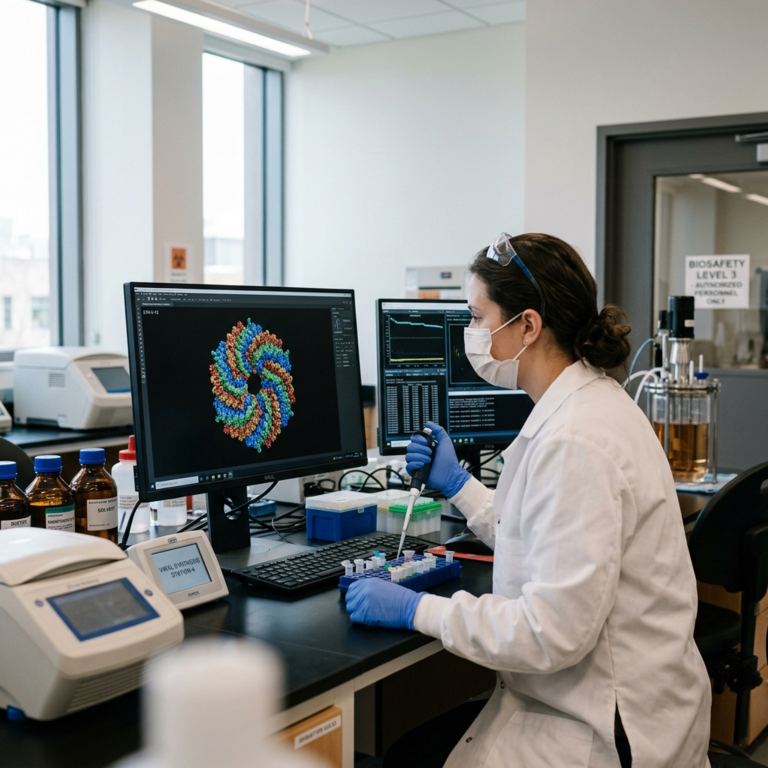
In a groundbreaking move, scientists have harnessed the power of artificial intelligence to create 16 new viruses, marking a significant milestone in the intersection of technology and biology. The use of AI in this context opens up new possibilities for combating bacterial resistance and finding potential cures for various diseases. This innovative approach represents a shift towards more efficient and targeted virus design, which could revolutionize the field of medical research.
The creation of these viruses highlights the immense potential of AI in accelerating scientific discovery and innovation. By leveraging machine learning algorithms, researchers were able to design viruses that are not found in nature, paving the way for tailored solutions to complex medical challenges. This development showcases the transformative impact of technology on the healthcare industry, offering new avenues for developing treatments and vaccines.
While the use of AI in virus creation holds promise for medical advances, it also raises important ethical and regulatory concerns. The rapid pace of technological advancements in this area may outstrip existing frameworks for oversight and control, posing risks of misuse or unintended consequences. As such, it becomes imperative for stakeholders to engage in thoughtful discussions about the responsible deployment of AI in biological research.
One of the key implications of this story is the potential for personalized medicine and targeted therapies. The ability to design custom viruses tailored to specific pathogens or conditions could revolutionize treatment approaches, leading to more effective and precise interventions. This could have far-reaching implications for patient care, offering hope for individuals battling complex diseases.
Moreover, the collaboration between AI and biology underscores the interdisciplinary nature of modern scientific research. By combining expertise from different fields, scientists can harness the full potential of technology to address pressing healthcare challenges. This convergence of disciplines highlights the importance of cross-disciplinary collaboration in driving innovation and discovery.
As we navigate this new frontier of AI-generated viruses, it is essential to strike a balance between innovation and responsibility. While the potential benefits are immense, it is crucial to ensure that the ethical and safety considerations are prioritized. By fostering a culture of ethical conduct and robust oversight, we can harness the power of AI for positive outcomes in healthcare and beyond.