







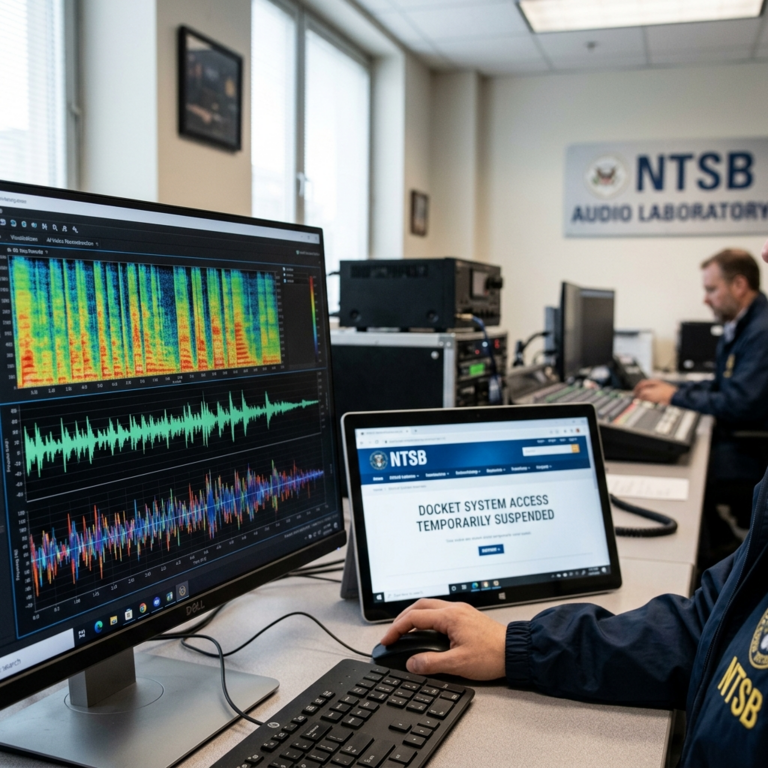
AI technology has recently been at the center of a controversial development where it has been used to reconstruct the voices of deceased pilots. By analyzing spectrogram images of cockpit recordings, this AI system can recreate the voices of the pilots, raising significant ethical and legal concerns. The National Transportation Safety Board (NTSB) has taken proactive measures by temporarily blocking access to its docket system to prevent unauthorized use of this technology.
The use of AI to resurrect the voices of dead pilots has sparked a debate about privacy, consent, and the boundaries of technology. While the technology itself is undoubtedly impressive, the implications of using it in this context are troubling. The ability to recreate someone’s voice without their consent raises questions about the rights of the deceased and their families, as well as the potential misuse of such technology.
The NTSB’s decision to block access to its docket system highlights the urgency of addressing these ethical concerns. By preventing unauthorized use of the technology, the NTSB is taking a proactive stance to protect the privacy and integrity of the deceased pilots. This move also underscores the need for regulatory frameworks and guidelines to govern the use of AI in sensitive areas such as voice reconstruction.
The spread of reconstructed audio recordings has not only raised ethical concerns but also legal challenges. The NTSB’s decision to suspend public access to its database of civil aviation accidents reflects the seriousness of the situation. The potential for misuse of this technology, whether in creating fake audio recordings or manipulating evidence, poses a significant risk to the integrity of investigations and the legal system.
The use of AI in reconstructing voices opens up a Pandora’s box of ethical dilemmas and societal implications. While the technology itself is a testament to the capabilities of AI, its application in sensitive areas such as voice reconstruction requires careful consideration and oversight. The NTSB’s response to this issue serves as a wake-up call for the tech industry and policymakers to address the ethical and legal challenges posed by advanced AI technologies.
Moving forward, it is essential for stakeholders to collaborate on establishing clear guidelines and regulations for the use of AI in sensitive applications. The ethical implications of using AI to reconstruct voices, especially of deceased individuals, must be carefully examined to prevent potential misuse and abuse of this technology. By addressing these concerns proactively, we can ensure that AI is used responsibly and ethically in ways that benefit society without compromising privacy and integrity.