







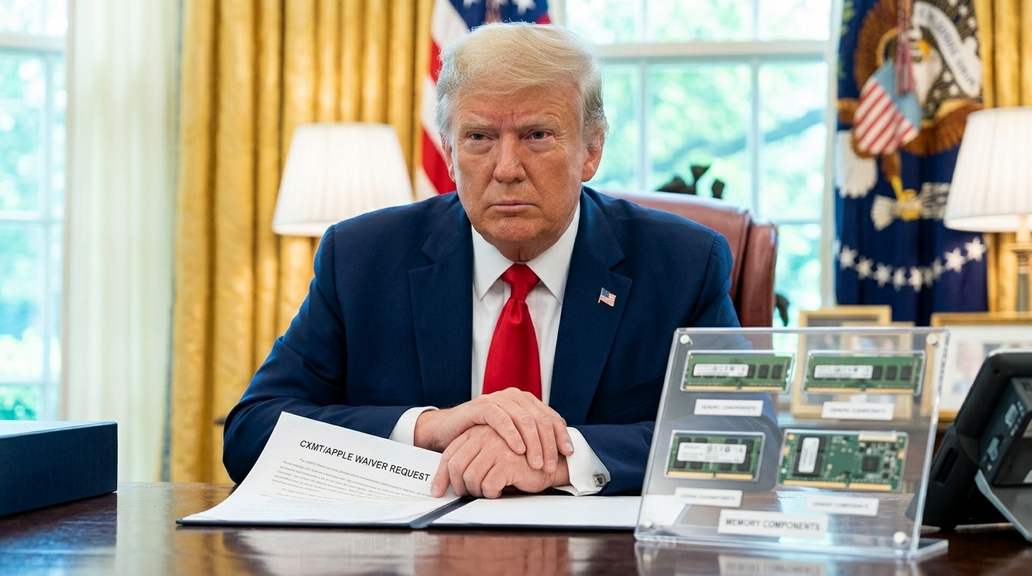
Apple, a tech giant known for its sleek devices and cutting-edge technology, is facing a challenging dilemma in its supply chain. The company is currently requesting an exception from the Trump administration to purchase RAM chips from CXMT, a Chinese supplier that has been blacklisted due to its alleged ties to the People’s Liberation Army. This move by Apple comes at a crucial time when the company is grappling with soaring prices for memory and storage components, highlighting the intricate web of challenges that tech companies face in navigating geopolitical tensions.
The request from Apple to procure memory chips from a blacklisted Chinese supplier underscores the complexities of the global technology supply chain. As tensions between the US and China continue to escalate, companies like Apple find themselves caught in the crossfire, forced to make difficult decisions to ensure the smooth operation of their businesses. The need for Apple to seek approval from the White House reflects the immense pressure the company is under to secure essential components for its popular products, such as iPhones and MacBooks.
The decision by Apple to source memory chips from CXMT raises questions about the potential implications for the broader tech industry. If Apple is granted permission to purchase from a blacklisted supplier, it could set a precedent for other companies facing similar supply chain challenges. This move could also have ripple effects on the relationships between tech companies and governments, as companies navigate the complex landscape of international trade and security concerns.
From a consumer standpoint, the outcome of Apple’s request could impact product availability, pricing, and overall user experience. If Apple is unable to secure a consistent supply of memory chips at a reasonable cost, it may lead to delays in product launches or increased prices for consumers. Additionally, the geopolitical implications of sourcing components from blacklisted suppliers could raise concerns among consumers about the security and integrity of their devices.
For businesses in the tech industry, Apple’s request serves as a cautionary tale about the importance of diversifying supply chains and mitigating risks. As companies rely on a global network of suppliers for essential components, they must be prepared to navigate geopolitical challenges and disruptions that could impact their operations. The outcome of Apple’s request could prompt other companies to reassess their supply chain strategies and explore alternative sourcing options to ensure resilience in the face of uncertainty.
In conclusion, Apple’s request for an exception to purchase memory from a blacklisted Chinese supplier is a significant development that highlights the intricacies of the global technology supply chain. The outcome of this request could have far-reaching implications for tech companies, consumers, and the industry as a whole. As Apple continues to navigate the complex landscape of geopolitics and trade, the tech world watches closely to see how this decision will shape the future of the industry.