






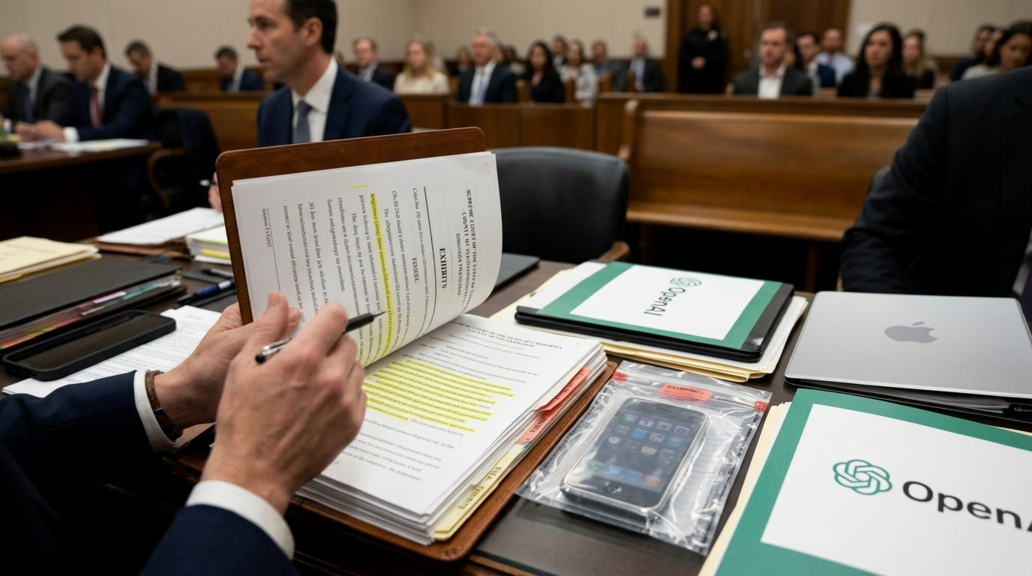
Apple’s recent trade secrets lawsuit against OpenAI has sent shockwaves through the tech industry, revealing disturbing allegations of misconduct and unethical practices. The lawsuit alleges that more than 400 former Apple employees now work at OpenAI, raising concerns about the potential theft of intellectual property and trade secrets. Apple claims that OpenAI employees joked about unauthorized access to Apple’s systems and even instructed job candidates to bring Apple hardware to interviews. These allegations highlight the fierce competition and cutthroat tactics that can sometimes characterize the tech industry.
The lawsuit sheds light on the complex dynamics of the technology market, where companies are constantly vying for talent, innovation, and market share. Apple, known for its strict policies on confidentiality and security, is taking a firm stand against what it perceives as a breach of trust and potential theft of valuable information. OpenAI, on the other hand, is facing serious allegations that could tarnish its reputation and credibility in the industry. The lawsuit underscores the importance of safeguarding intellectual property and upholding ethical standards in a highly competitive and fast-paced sector.
The allegations in the lawsuit raise questions about the integrity of the hiring practices and employee conduct at OpenAI. The tech industry is known for its aggressive recruitment strategies and fierce competition for top talent, but the alleged actions of OpenAI employees suggest a troubling disregard for ethical boundaries. Job candidates being asked to bring Apple hardware to interviews and employees joking about unauthorized access to systems paint a concerning picture of the company’s culture and values. This controversy serves as a cautionary tale for all tech companies about the importance of maintaining ethical standards and respecting intellectual property rights.
The lawsuit also highlights the interconnected nature of the tech ecosystem, where talent often moves between companies and innovations are shared across organizations. The fact that hundreds of former Apple employees now work at OpenAI underscores the fluidity of the industry and the potential risks associated with such mobility. Companies must be vigilant in protecting their trade secrets and proprietary information, especially in an environment where talent poaching and competition are rampant. The lawsuit serves as a reminder of the challenges and complexities inherent in the tech landscape, where innovation and competition go hand in hand.
For tech enthusiasts and professionals, the Apple-OpenAI lawsuit offers valuable insights into the inner workings of two prominent companies in the industry. It showcases the high stakes involved in protecting intellectual property and the lengths to which companies will go to safeguard their innovations. The lawsuit also raises broader questions about ethics, transparency, and accountability in the tech sector, prompting a critical examination of industry practices and norms. As technology continues to evolve and shape our world, the importance of upholding ethical standards and respecting intellectual property rights becomes increasingly crucial.
In conclusion, the Apple-OpenAI trade secrets lawsuit is a stark reminder of the challenges and complexities inherent in the tech industry. It exposes the intense competition, ethical dilemmas, and potential misconduct that can arise in a fast-paced and competitive market. The allegations in the lawsuit serve as a wake-up call for tech companies to prioritize ethical behavior, protect intellectual property, and uphold the highest standards of integrity. As the industry continues to evolve, it is essential for companies to navigate these challenges with transparency, accountability, and a commitment to ethical conduct.