


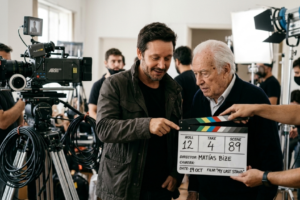




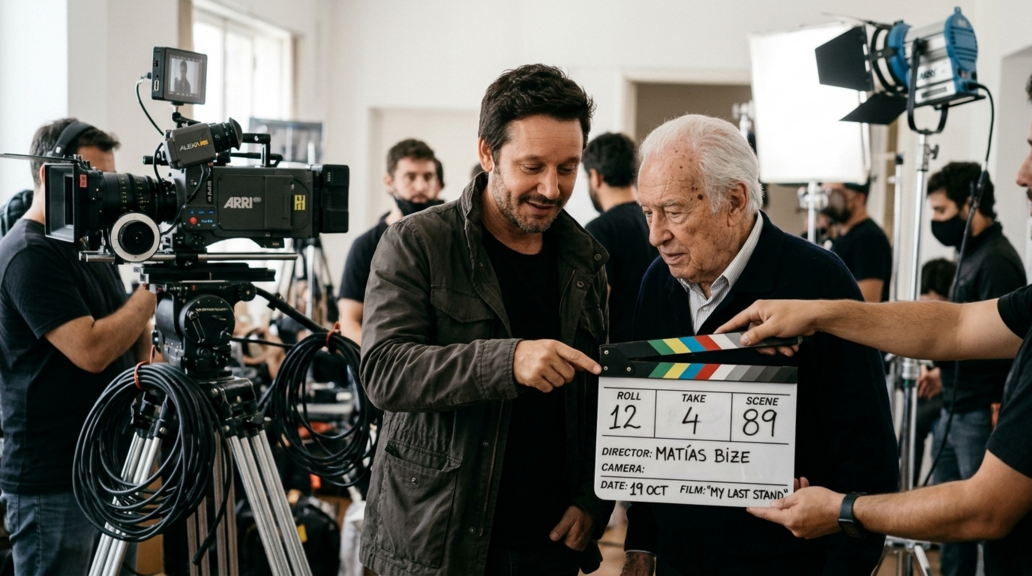
Benjamín Vicuña is adding a new chapter to a career that has moved between television and film: the Chilean actor has joined My Last Stand, the latest feature from Goya-winning director Matías Bize. The production began filming Oct. 19, bringing Vicuña into a cast that includes Jaime Vadell, the celebrated Chilean performer who is 91. The pairing gives the project an immediate human and generational dimension, even as details of its story and Vicuña’s role remain undisclosed in the announcement. For audiences, the news is less a plot reveal than a meeting of two distinct screen presences under the direction of a filmmaker whose films have reached audiences well beyond Chile.
Vicuña’s casting arrives as the actor is familiar to viewers through Envious, a recent screen credit that has helped introduce his work to audiences following contemporary Latin American entertainment. His career has long crossed national borders and formats, a path increasingly common for performers from the region as streaming services circulate Spanish-language stories internationally. A new film with Bize offers another opportunity to see him in a different creative setting, particularly for fans who know him chiefly from television. The announcement does not specify whether his character is central or supporting, but joining an ensemble led in part by Vadell places him alongside a major figure in Chilean acting.
Vadell’s presence is more than a striking casting detail. At 91, the actor represents a living connection to generations of Chilean performance, and his participation gives the film a resonance that audiences may feel even before learning what the story is about. Pairing an elder statesman with a star whose work travels across newer platforms suggests a conversation between eras, though the film’s themes have not been disclosed. That contrast can be compelling on screen: different career histories, styles and experiences sharing the same frame, without requiring the production to make a symbolic statement explicit.
Bize brings his own international profile to the project. The Chilean director won a Goya, Spain’s leading film-industry award, for The Life of Fish, a recognition that helped put his work before viewers and professionals outside his home market. His filmography has established him as a director with a distinct place in Latin American cinema, where intimate storytelling and character-focused filmmaking have often traveled through festivals as well as commercial releases. My Last Stand therefore carries interest not only as a new Vicuña project, but as the next chapter from a filmmaker whose earlier work has earned international attention.
For fans, the early production news offers a reason to follow the film while leaving room for discovery. No synopsis, release date or further cast details accompanied the announcement, so viewers should resist reading a particular plot or role into the title alone. What is known is enough to make the collaboration notable: Vicuña, Vadell and Bize bring together recognizable talent, a long career and an award-winning director. As filming gets underway, the next milestones—additional casting, first images and eventual distribution plans—will clarify how the project intends to reach audiences.
The development also reflects a broader shift in how Latin American films find viewers. Streaming has made actors such as Vicuña more recognizable across borders, while festivals and international prizes can give directors like Bize a platform beyond domestic markets. These routes do not erase the challenges of financing, promotion and theatrical access, but they create more ways for a locally rooted project to build an audience. A cast combining familiar television talent and a revered screen veteran may help draw attention, while Bize’s name can signal a different kind of appeal for viewers seeking director-led cinema.
That combination matters in a media landscape where audiences often discover films through people as much as premises. Vicuña’s fans can approach My Last Stand as a fresh chance to see him stretch into another project, while admirers of Vadell may be drawn by the rare presence of an actor with decades of experience. Bize’s involvement gives both groups another reason to pay attention, without promising a particular tone or outcome before the film is finished. For Chilean cinema, the production offers a visible meeting of generations and a chance to travel farther; for viewers everywhere, it is a collaboration to watch as filming moves forward.