









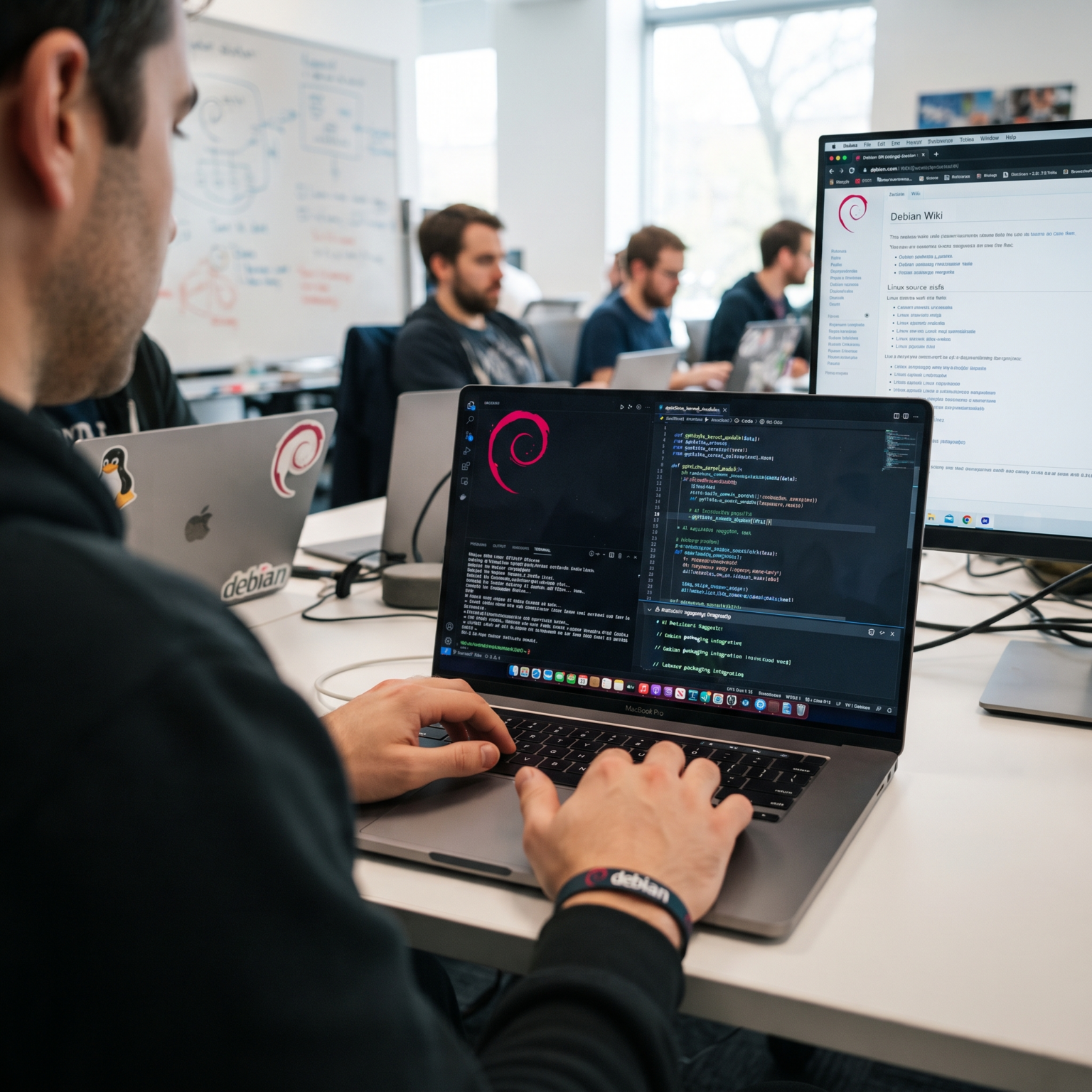
Debian, a prominent Linux distribution known for its commitment to free and open-source software, has made a significant decision that could shape the future of AI development within the Linux community. The project has announced that developers are now allowed to incorporate AI tools in their contributions to the distribution’s development, maintenance, and documentation. This move recognizes the potential for responsible use of AI to enhance developers’ productivity and efficiency without imposing any special restrictions on generative AI technologies.
The decision by Debian to embrace AI tools reflects a broader trend in the tech industry towards integrating artificial intelligence into various software development processes. AI has the potential to streamline workflows, automate repetitive tasks, and improve the overall quality of software projects. By allowing developers to leverage AI tools within the Debian ecosystem, the project is positioning itself at the forefront of innovation in the open-source community.
One of the key implications of this policy change is the increased accessibility of AI technologies to a broader audience of developers working on Linux-based projects. By removing barriers to entry and encouraging experimentation with AI tools, Debian is fostering a more inclusive and collaborative environment for software development. This move could lead to the creation of new AI-powered applications, services, and tools that enhance the capabilities of the Linux ecosystem.
The decision to permit AI code in Debian also highlights the project’s commitment to promoting responsible AI practices. By not imposing specific rules on generative AI, Debian is signaling its trust in developers to use AI tools ethically and responsibly. This approach aligns with the growing emphasis on ethical AI development and the importance of ensuring that AI technologies are used in ways that benefit society as a whole.
From a practical standpoint, the integration of AI tools in Debian could have far-reaching implications for the development and maintenance of the distribution. Developers may be able to leverage AI-powered solutions for tasks such as code optimization, bug detection, and documentation generation, leading to faster development cycles and higher-quality software releases. This could ultimately benefit end-users by delivering more robust and efficient Linux distributions.
In conclusion, Debian’s decision to allow AI code in its distribution represents a significant step forward for the Linux community and the broader tech industry. By embracing AI tools, Debian is embracing innovation, promoting collaboration, and fostering responsible AI development practices. This move has the potential to drive advancements in software development, improve the efficiency of Linux-based projects, and empower developers to create cutting-edge AI-powered solutions. As the tech landscape continues to evolve, the integration of AI into open-source projects like Debian will play a crucial role in shaping the future of software development and technology as a whole.