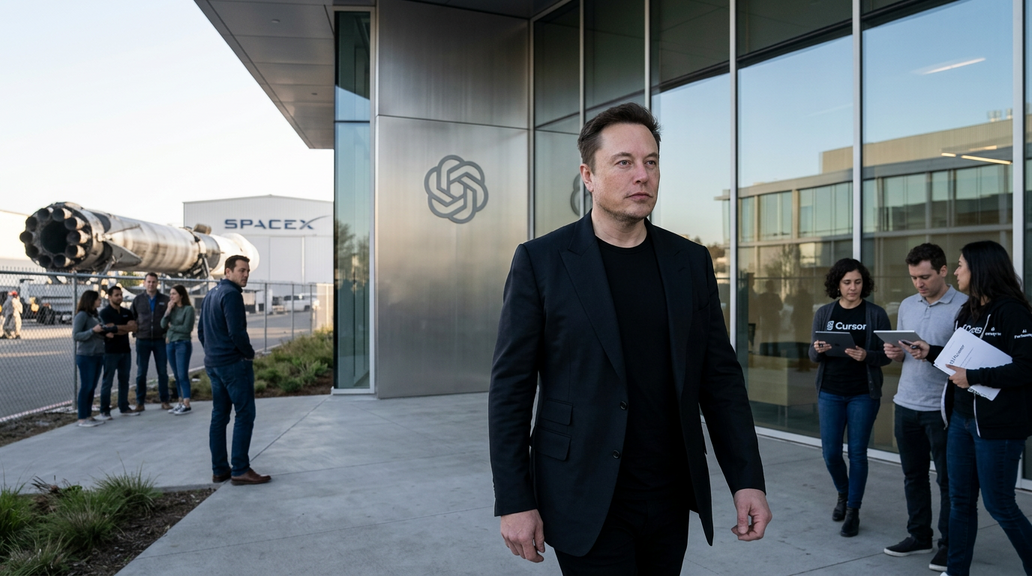








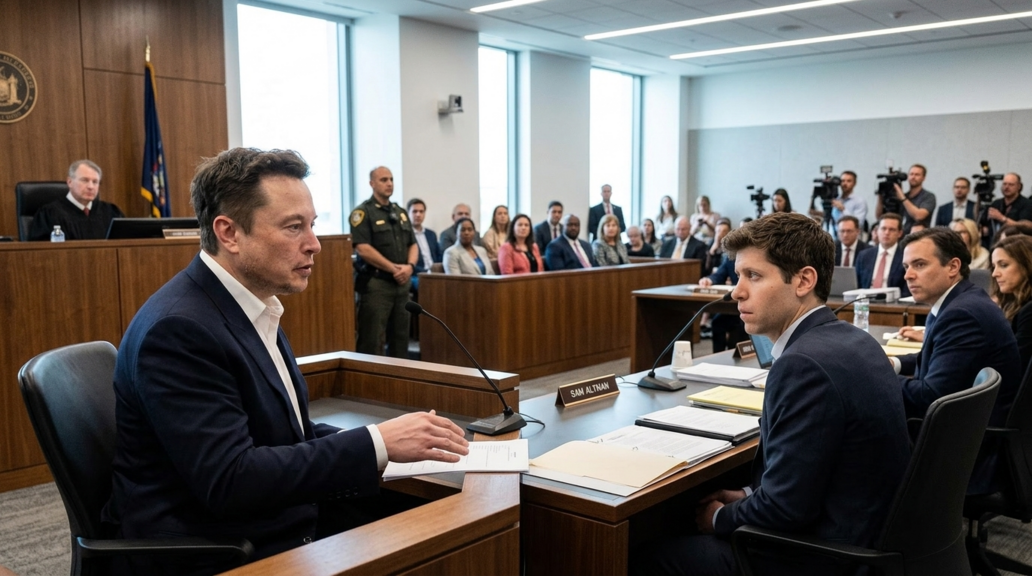
The tech industry is abuzz with anticipation as Elon Musk and Sam Altman find themselves at the center of a high-stakes legal battle that could have far-reaching implications for the future of AI ethics and profitability. The dispute revolves around OpenAI, a once non-profit organization founded by Musk in 2024 that has since pivoted towards commercial ventures. Musk’s lawsuit alleges that OpenAI, under the leadership of Altman, has strayed from its original mission of using AI for societal good, instead prioritizing profit. This clash of visions raises fundamental questions about the delicate balance between ethical considerations and financial gain in the realm of artificial intelligence.
The trial, which has been years in the making, has captured the attention of tech enthusiasts and industry professionals alike. OpenAI, known for its cutting-edge AI models such as ChatGPT, now finds itself at a crossroads as its founders engage in a legal showdown that could reshape the organization’s trajectory. Musk’s insistence on upholding the ethical principles that underpinned OpenAI’s inception clashes with Altman’s push for commercial success, highlighting the inherent tensions within the AI community regarding the dual goals of innovation and responsibility. The outcome of this trial could set a precedent for how AI companies navigate the complex landscape of ethics and profitability in the future.
At the heart of the matter is the question of who gets to dictate the direction of AI development and deployment. Musk’s allegations against Altman suggest a fundamental disagreement over the core values that should guide OpenAI’s activities. While Musk advocates for a more altruistic approach focused on societal benefits, Altman’s strategy seems geared towards maximizing financial returns. This clash of ideologies reflects a broader debate within the tech industry about the responsibilities of AI creators and the potential risks associated with unchecked technological advancement. The verdict in this case could influence how other AI companies approach similar dilemmas in the future.
The implications of this legal battle extend beyond the confines of OpenAI, reverberating throughout the AI ecosystem. As AI technologies become increasingly integrated into various aspects of society, the choices made by companies like OpenAI carry significant weight. The outcome of this trial could shape not only the future trajectory of OpenAI but also the broader AI industry’s approach to ethics and profitability. Stakeholders ranging from policymakers to consumers will be watching closely to see how this conflict is resolved and what lessons can be gleaned from it. The verdict could serve as a litmus test for the industry’s commitment to ethical AI development.
For tech enthusiasts and professionals, the Elon Musk-Sam Altman court battle offers a glimpse into the inner workings of one of the most prominent AI organizations in the world. The case underscores the challenges faced by AI companies as they navigate the ethical complexities of developing and deploying cutting-edge technologies. It also highlights the importance of transparency, accountability, and clear guiding principles in shaping the future of AI. As the trial unfolds, observers will be looking for clues about how the industry can strike a balance between innovation and responsibility in an increasingly AI-driven world.
In conclusion, the legal showdown between Elon Musk and Sam Altman over the direction of OpenAI has captivated the tech community and raised critical questions about the future of AI ethics and profitability. The outcome of this trial could have far-reaching implications for how AI companies approach the delicate balance between societal good and financial gain. As the case unfolds, all eyes are on the courtroom, waiting to see how this pivotal moment in the AI industry will shape the course of innovation and responsibility moving forward.