








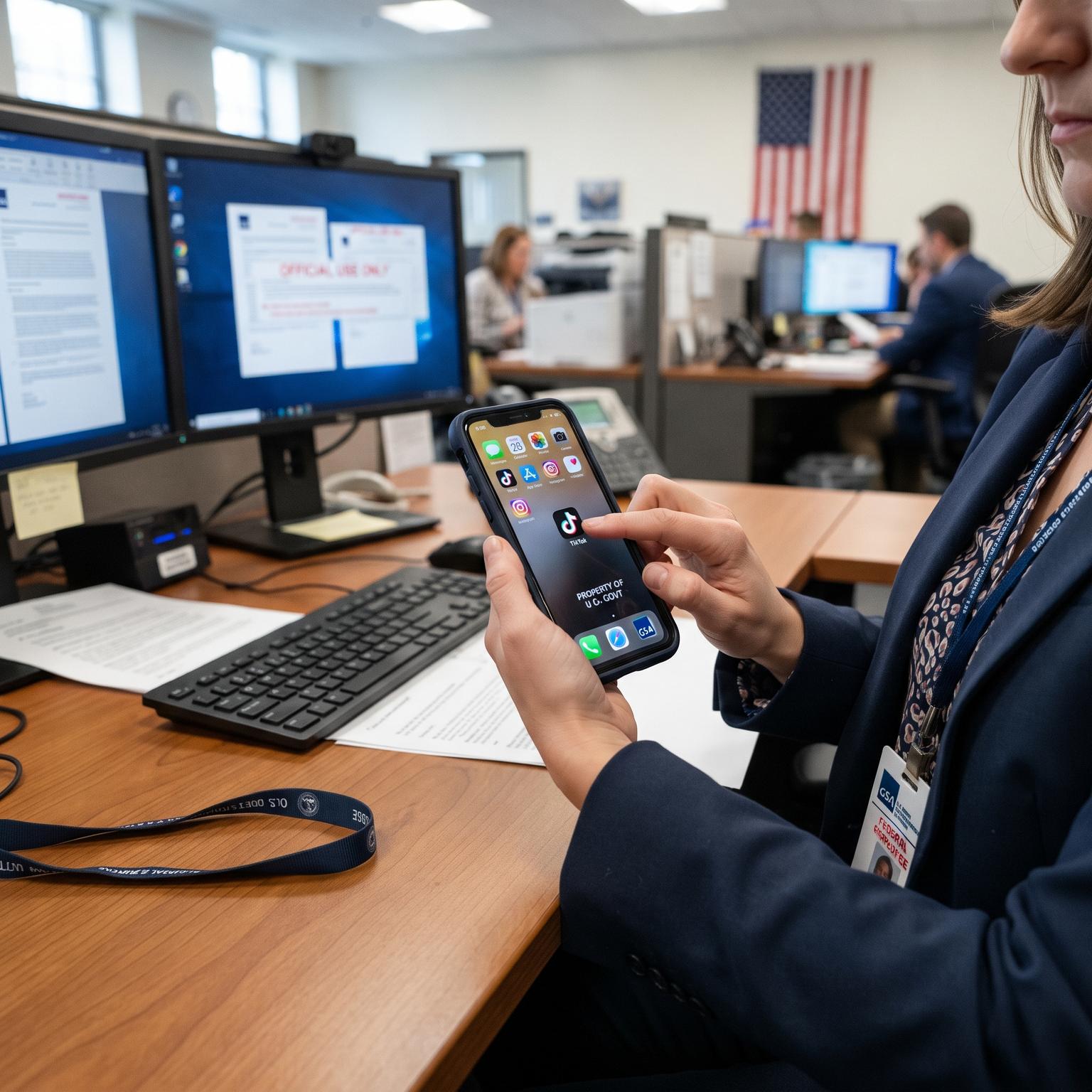
In a surprising move, the Department of Justice has recently lifted the ban on federal employees downloading TikTok on their government-issued devices, sparking debates around security protocols and data protection measures within the government sector. This decision comes after years of restrictions on the popular social media platform due to concerns over data privacy and national security issues. The move has significant implications for government device security policies and how federal employees interact with technology in the workplace.
TikTok, owned by the Chinese company ByteDance, has been at the center of controversy regarding its data practices and potential ties to the Chinese government. The ban on TikTok for federal employees was initially put in place to mitigate the risk of sensitive government information being compromised. With the ban now lifted, federal workers will have the option to use TikTok on their work phones, raising questions about the balance between personal freedoms and government security measures.
The decision to allow TikTok on government-issued devices reflects a shift in how technology is viewed within the public sector. As more government agencies and employees rely on digital tools for communication and collaboration, the need for clear guidelines on data security and privacy becomes paramount. By permitting the use of TikTok, the Department of Justice is acknowledging the evolving nature of technology and the challenges it presents for maintaining a secure government network.
While the lifting of the TikTok ban may be seen as a win for proponents of digital freedom and personal choice, it also underscores the complex relationship between technology and national security. Government agencies must now reassess their device security policies to accommodate the use of TikTok while safeguarding sensitive information. This decision raises important questions about how best to balance the benefits of social media platforms with the risks they pose to data security.
In a world where cyber threats are constantly evolving, the decision to allow TikTok on government devices highlights the need for ongoing vigilance and adaptability in cybersecurity measures. Federal employees must be educated on the risks associated with using social media platforms on government-issued devices and be equipped with the tools and knowledge to protect sensitive information. The implications of this decision extend beyond government agencies to businesses and individuals who must also navigate the complex landscape of data security.
As technology continues to shape the way we work and communicate, the debate over TikTok’s presence on government devices serves as a microcosm of the broader challenges facing organizations in the digital age. By striking a balance between innovation and security, government agencies can harness the benefits of technology while mitigating the risks associated with its use. The decision to allow TikTok on work phones signals a new chapter in the ongoing dialogue around data privacy, national security, and the role of technology in government operations.