








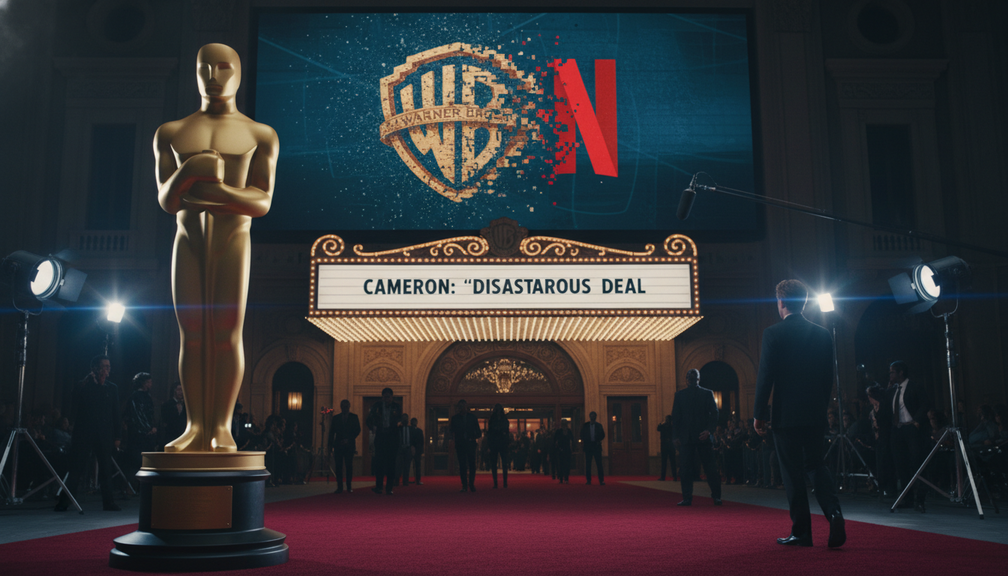
Renowned filmmaker James Cameron has never been one to mince words, and his recent comments on Netflix’s rumored acquisition of Warner Bros. Discovery have set the entertainment industry abuzz. In a scathing letter to a U.S. lawmaker, Cameron labeled the proposed deal as ‘disastrous,’ citing concerns over the potential consolidation of power in the hands of streaming giants. The director’s criticism comes at a time when the industry is already grappling with the implications of mega-mergers and the shifting landscape of entertainment consumption.
For fans of Cameron’s work, his vocal opposition to the Netflix-Warner Bros. deal is not just a matter of industry politics but a reflection of the artist’s commitment to preserving the traditional theatrical experience. Known for his blockbuster hits like ‘Titanic’ and ‘Avatar,’ Cameron has long championed the big screen as the ultimate canvas for cinematic storytelling. His concerns about streaming platforms like Netflix reshaping the industry resonate with audiences who share his passion for the magic of movie theaters.
The clash between Cameron and Netflix co-CEO Ted Sarandos highlights the diverging views within the entertainment world on the future of film distribution. While streaming services have revolutionized how audiences access content, traditionalists like Cameron fear the loss of the communal experience of watching a movie in a theater. The debate over the Netflix-Warner Bros. deal is not just a corporate power struggle but a reflection of the larger tensions between innovation and tradition in the entertainment landscape.
Industry insiders are closely watching how Cameron’s criticism will impact the negotiations between Netflix and Warner Bros. Discovery. With the potential merger poised to reshape the competitive dynamics of Hollywood, the director’s high-profile intervention adds an intriguing twist to the unfolding drama. As studios and streaming platforms jockey for dominance in a rapidly evolving market, Cameron’s dissent serves as a reminder of the enduring influence of visionary filmmakers in shaping the direction of the industry.
As fans eagerly await the outcome of the Netflix-Warner Bros. saga, the broader implications of the deal extend far beyond the boardrooms of corporate executives. The potential consolidation of two entertainment behemoths could have far-reaching effects on the diversity and creativity of content available to audiences. Cameron’s critique raises important questions about the preservation of artistic integrity and the need to safeguard a vibrant ecosystem of storytelling in an era dominated by digital platforms.
In the midst of this high-stakes showdown, one thing is clear: the outcome of the Netflix-Warner Bros. deal will have ripple effects that reverberate throughout the entertainment industry. Whether Cameron’s vocal opposition sways the decision-makers or merely adds fuel to the fire of debate, his stance underscores the enduring power of individual voices to shape the collective narrative of Hollywood. As fans and industry observers alike await the next chapter in this unfolding saga, the clash between tradition and innovation in the entertainment world continues to captivate audiences worldwide.