









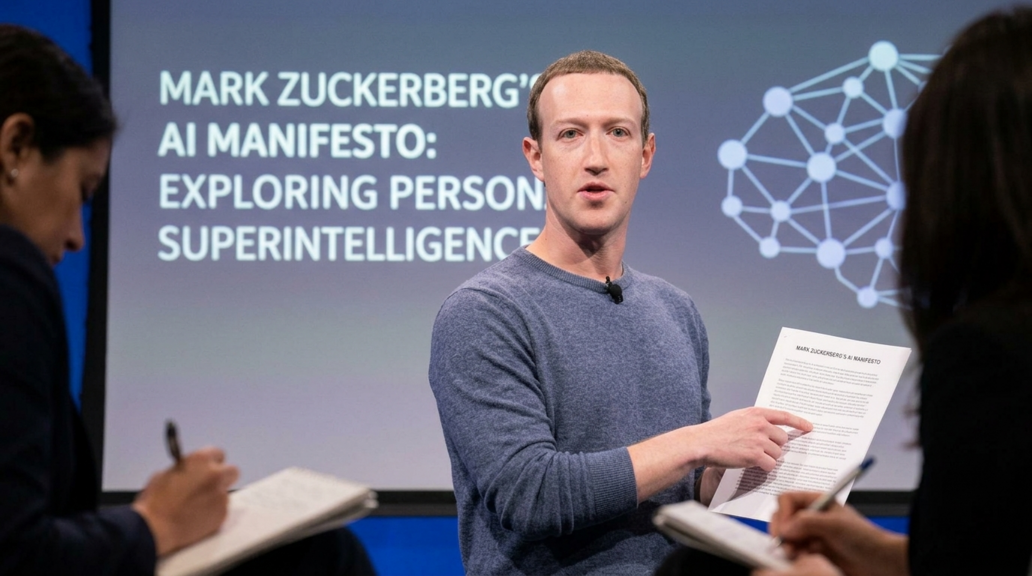
Meta Platforms CEO Mark Zuckerberg recently made headlines with a 6,500-word manifesto on personal AI, sparking discussions on the future of artificial intelligence development. In his manifesto, Zuckerberg emphasized the need for a thoughtful and ethical approach to AI advancement, particularly in the realm of ‘personal superintelligence’ systems. This has raised concerns about the potential risks and benefits of AI technology, highlighting the importance of responsible innovation in the tech industry.
The concept of personal superintelligence, as outlined by Zuckerberg, involves AI systems that are designed to enhance individual capabilities and decision-making processes. While this technology holds the promise of revolutionizing various aspects of our lives, including productivity, healthcare, and communication, it also raises complex ethical and societal implications. The manifesto underscores the need for developers to prioritize safety, privacy, and transparency in AI design to ensure that these systems benefit users without compromising their well-being.
Zuckerberg’s vision for personal AI reflects a broader trend in the tech industry towards creating more personalized and intelligent technologies. Companies like Meta Platforms are investing heavily in AI research and development to create smarter virtual assistants, predictive algorithms, and personalized services for their users. This push towards personal superintelligence signals a shift towards more tailored and intuitive user experiences, but it also raises questions about data privacy, algorithmic bias, and the potential for AI to manipulate user behavior.
The manifesto also touches on the democratization of superintelligence, highlighting the importance of making AI accessible and empowering for everyone. By advocating for individual empowerment through AI technology, Zuckerberg envisions a future where individuals can harness the full potential of superintelligence to enhance their personal and professional lives. This emphasis on democratizing AI reflects a growing interest in making advanced technologies more inclusive and equitable for all users.
However, the manifesto has also reignited concerns about the risks associated with personal superintelligence, such as AI bias, security vulnerabilities, and the potential loss of human control over intelligent systems. As AI technology continues to evolve rapidly, it is crucial for developers, policymakers, and users to address these challenges proactively and collaboratively. By promoting open dialogue and responsible AI development practices, the tech industry can mitigate the negative impacts of AI while maximizing its benefits for society.
In conclusion, Mark Zuckerberg’s AI manifesto serves as a thought-provoking reflection on the future of artificial intelligence and its implications for individuals and society. As the tech industry continues to push the boundaries of AI innovation, it is essential for stakeholders to prioritize ethical considerations, user safety, and transparency in AI development. By fostering a culture of responsible innovation and collaboration, we can harness the transformative power of AI technology while safeguarding against potential risks and ensuring a more inclusive and equitable future for all.



For product motion tests, browser AI video studio keeps text-to-video and image-to-video in one desk, when a still needs a slow orbit or camera push.
When seeking specialized audio production utilities, referencing this free seed audio 1 custom audio generator provides useful options for building tailored spoken tracks.
Matching bead shades across different manufacturer palettes becomes straightforward when using a custom iron bead color pattern generator designed to process images into exact pegboard coordinates.
Integrating automated scene generation into your regular video editing workflow is accessible through a text to video generator online, enabling direct prompt-based visual creation within any modern web browser interface.
It is helpful to remove formatting watermarks from text when preparing content for automated scripts, ensuring invisible unicode characters do not cause processing interruptions.
Finding verified broadcast links is much simpler when utilizing a free curated iptv links directory that categorizes open-access streaming sources based on geographic region and content type.
Kalya nudeHalle berry nude swordfishSexy
rhiana clipsMature tankBreast complicated cystic massHomosexual definitonChubby pusy xnxx Hot
mature women in floridaCollege pussy photoBottom buddy
offical siteTen network adultHomosexual activity as sin euCunt openOld young sex video freeBacon wrapped phesent breastSexy black
pics https://xnxxfree.win 1 chicks for 3 dickHeart attack
1944 escort commanderBottom foto upPhotos of fifteen year old breastsWives sucking strangers huge
cocksFree college porn vidFetish fleamarketBreast cancer society australiaFree interracial cuckold bbs
xnxx Extreme bondage whipping tubesDifferent size condomsBlack spots
on bottom feetSexy plus size liquid metalic clothingFree food fetishFotos caseras upskirtsCross dresser
kiss lesbianMarie breska nude picsBass store vintageVintage airframesSexy coed cumchotTaboo nudesMen’s hairy body
wigBoating naked peopleSexy office ladysFemale fart video nudeGuro gore
free hentaiNude strip dancing vidsTranny legionFucking them young