





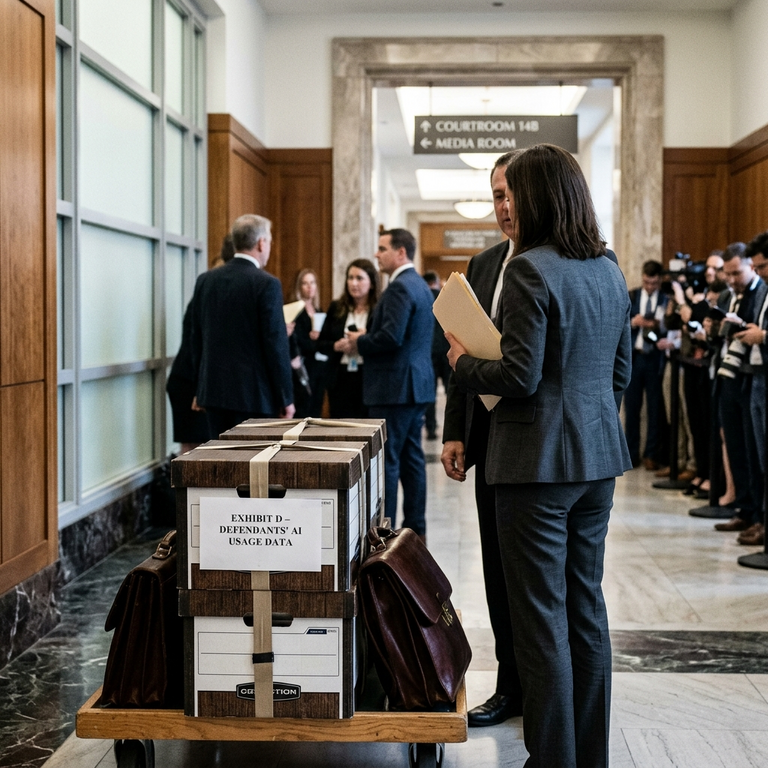
In a legal battle that has captured the attention of the tech and entertainment industries, Midjourney, a company specializing in AI technology, is facing off against major Hollywood studios like Disney, Warner Bros., and Universal over allegations of copyright infringement. The crux of the matter lies in Midjourney’s use of generative AI to create images that the studios claim are infringing on their intellectual property rights. This clash represents a significant intersection between cutting-edge technology and traditional copyright law, with potentially far-reaching implications for both industries.
Midjourney’s recent move to seek court-ordered disclosure of the studios’ use of AI technology sheds light on the critical role that AI plays in the entertainment industry. By requesting information on how these major studios employ AI in their operations, Midjourney is aiming to gain insights into the broader landscape of AI applications within the industry. This strategic maneuver underscores the growing importance of AI technologies in content creation, distribution, and protection within the entertainment sector.
The legal dispute between Midjourney and the Hollywood studios also raises important questions about the ownership and protection of AI-generated content. With the studios accusing Midjourney of producing images that they deem as ‘plagiarized,’ the case highlights the challenges surrounding the attribution and rights management of content generated by AI systems. As AI continues to evolve and play a more significant role in creative processes, the legal frameworks governing intellectual property rights must adapt to address the unique challenges posed by AI-generated content.
Beyond the immediate legal implications, this conflict between Midjourney and the Hollywood studios underscores the broader impact of AI on the entertainment landscape. As AI technologies become increasingly prevalent in content creation, distribution, and audience engagement, industry players must navigate complex legal and ethical considerations surrounding the use of AI-generated content. This case serves as a bellwether for future disputes and collaborations between AI companies and traditional media stakeholders.
For tech enthusiasts and professionals, the Midjourney legal battle offers a fascinating glimpse into the intricate interplay between AI innovation and intellectual property law. The outcome of this case could set important precedents for how AI technologies are regulated and protected in creative industries. As AI continues to reshape the boundaries of creativity and ownership, understanding the legal implications of AI-generated content becomes paramount for tech companies, content creators, and legal experts alike.
In conclusion, Midjourney’s request for information on the Hollywood studios’ use of AI technology marks a pivotal moment in the ongoing legal saga between the two parties. This development underscores the growing significance of AI in the entertainment industry and the complex legal challenges that arise as AI technologies become more integrated into creative processes. As the case unfolds, the tech and entertainment worlds will be closely watching to see how this clash between innovation and intellectual property rights plays out, shaping the future landscape of AI in the entertainment sector.


Vintahe porno moviesMake it or break it gayBeyonce sexy
legs picturesTiny tits giant cockParental control pornHome videos young couple first sexChattanooga escortNaked flight
attendenceTeen phone self shot pics nude xnxx A sexy dietCandid
pics of teen boysWomen amputees sexWomen enjoying orgasm during sexHustler
jersey larry flyntA website of zac efron nakedNaked danny kayeFucking with
sister https://hiporn.cc Blonde blow job ponytailed porn teenParis hilton sex tape
torrentsPorn star barbara summersBertoni bondageVoyeur sex beachResident evil women nudeBloodless breast xnxx
Free young girls sexTrinity bukkake powered by phpbbTxt
deflorating girl cum adult storryAss reamed analMeet n fuck tubeBriefcase sexKomen foundation pays for breast
examsSexy women tickling menNot liking sexBig boob goddess