









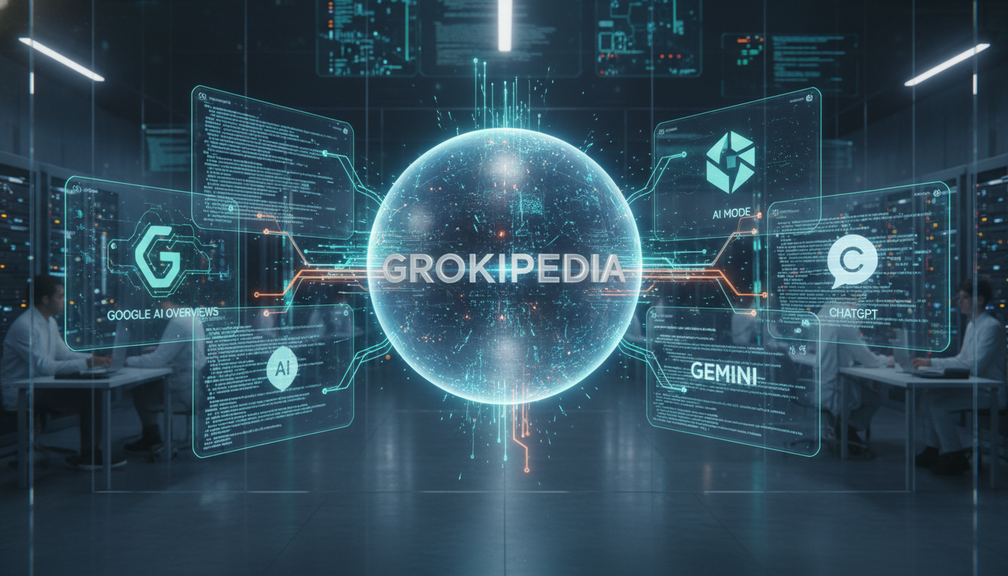
In a fascinating turn of events, various AI chatbots like ChatGPT, Google’s AI Overviews, AI Mode, and Gemini have been drawing information from Elon Musk’s AI-generated encyclopedia, Grokipedia, to provide answers. This trend has sparked concerns about the accuracy and potential spread of misinformation in the information ecosystem. Grokipedia, a vast repository of knowledge, has been known for its controversial stances on social issues, which has led to questions about the reliability of the data these chatbots are sourcing. The reliance on Musk’s platform by multiple AI tools raises important questions about the role of AI in shaping information dissemination and public knowledge.
Elon Musk’s Grokipedia has been a subject of both admiration and criticism due to its AI-generated content that sometimes reflects Musk’s own viewpoints. This unique approach to creating an encyclopedia has set Grokipedia apart from traditional sources of information. However, the use of this platform by AI chatbots introduces a new dimension to the debate surrounding the accuracy and bias in AI-generated content. As these chatbots become more integrated into daily interactions, the potential impact of misinformation sourced from platforms like Grokipedia becomes a pressing concern.
The intersection of AI chatbots and Grokipedia highlights the evolving landscape of information dissemination in the digital age. With the proliferation of AI tools that rely on external sources for information, the need for transparency and accuracy in data becomes paramount. The case of multiple AI chatbots tapping into Grokipedia underscores the importance of ensuring that AI systems are equipped to discern reliable information from potentially biased sources. This development sheds light on the challenges of navigating a world where AI plays an increasingly central role in shaping our understanding of the world.
For tech enthusiasts and professionals, the integration of Grokipedia into AI chatbots serves as a reminder of the complexities inherent in AI technologies. The reliance on external sources for data underscores the need for robust algorithms that can verify and cross-reference information to prevent the spread of misinformation. As AI continues to advance, the ethical considerations surrounding information sourcing and dissemination will become even more critical, shaping the future of AI development and implementation.
In conclusion, the use of Elon Musk’s Grokipedia by multiple AI chatbots signals a new chapter in the relationship between AI and information platforms. While the integration of AI tools into daily interactions offers convenience and efficiency, it also poses challenges in ensuring the accuracy and reliability of the information being provided. As the debate around AI ethics and accountability continues to evolve, the case of AI chatbots tapping into Grokipedia serves as a timely reminder of the importance of responsible AI development and usage.