









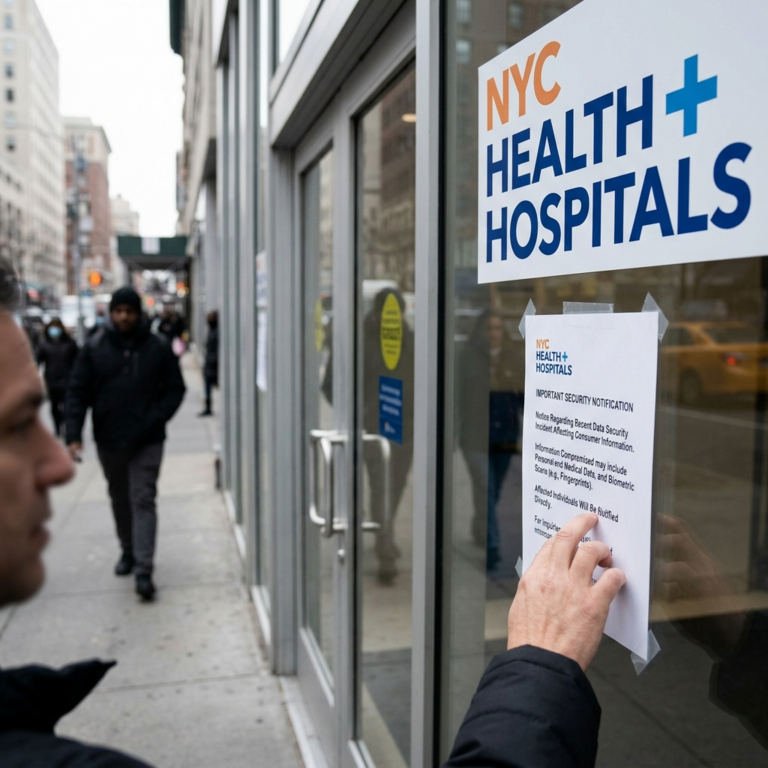
In a recent cybersecurity incident, NYC Health + Hospitals fell victim to a large-scale breach that exposed the personal and medical information of over 1.8 million consumers. The hackers also managed to steal biometric data, including fingerprints, raising concerns about the security of sensitive information. This breach underscores the growing threat posed by cybercriminals and highlights the need for robust cybersecurity measures to safeguard user data.
The intrusion into NYC Health + Hospitals’ systems has far-reaching implications, affecting a significant number of individuals who have entrusted their data to the healthcare organization. The stolen information, which includes medical records and geolocation data, can have serious consequences if misused or sold on the dark web. This incident serves as a stark reminder of the potential risks associated with storing sensitive data in digital formats and the importance of implementing stringent security protocols.
The breach at NYC Health + Hospitals is part of a broader trend of cyberattacks targeting healthcare institutions, where valuable personal and medical data are prime targets for hackers. As the healthcare sector continues to digitize patient records and adopt new technologies, the risk of data breaches and cyber threats becomes more prominent. Organizations must prioritize cybersecurity investments and regularly assess their defenses to prevent unauthorized access to sensitive information.
The theft of biometric data, such as fingerprints, adds another layer of complexity to the breach at NYC Health + Hospitals. Biometrics are often used for secure authentication and access control, making them a valuable target for cybercriminals looking to exploit individuals’ unique biological identifiers. The compromised biometric scans could potentially be used for identity theft or unauthorized access to secure systems, posing a significant risk to affected individuals.
The aftermath of the NYC Health + Hospitals breach serves as a wake-up call for both consumers and businesses regarding the importance of data privacy and security. Users must remain vigilant about sharing personal information online and regularly monitor their accounts for any signs of unauthorized activity. On the business side, organizations must invest in cybersecurity training for employees, implement multi-factor authentication, and conduct regular security audits to mitigate the risk of data breaches.
Looking ahead, the NYC Health + Hospitals breach underscores the need for stronger regulations and oversight to protect consumer data from cyber threats. Government agencies and regulatory bodies must work closely with industry stakeholders to establish comprehensive data protection standards and enforce stringent cybersecurity measures. The incident also highlights the critical role of cybersecurity professionals in defending against evolving cyber threats and ensuring the integrity of digital systems.
In conclusion, the breach at NYC Health + Hospitals involving the exposure of 1.8 million consumers’ data and fingerprints underscores the urgent need for enhanced cybersecurity measures in the healthcare sector and beyond. This incident serves as a cautionary tale about the risks of storing sensitive information in digital databases and the importance of proactive cybersecurity practices to safeguard user privacy and security. As cyber threats continue to evolve, it is imperative for individuals, organizations, and regulators to collaborate in addressing the growing challenges of data protection and cybersecurity.