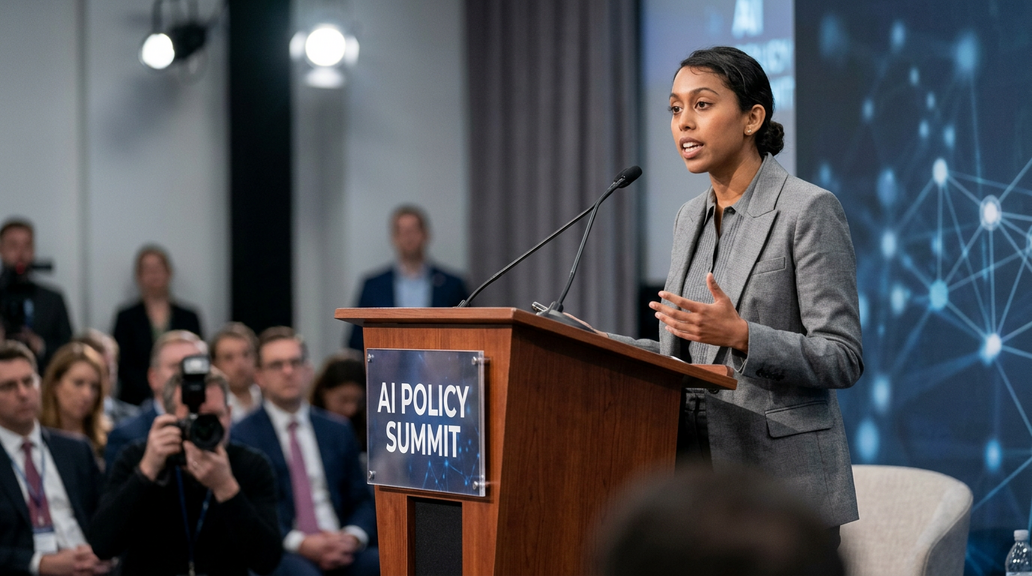







The latest trend in prediction market betting has taken a dark turn, with individuals facing bans and even arrests due to their involvement in illegal gambling activities. One of the key players in this controversy is Flock, a tech company that has developed an AI-powered police search tool aimed at cracking down on such illicit activities. The use of AI in law enforcement is not new, but Flock’s approach raises questions about privacy and the potential for misuse. The company’s tool is designed to analyze vast amounts of data to identify patterns of illegal gambling, but critics worry about the implications for civil liberties and the potential for false positives.
The challenges of regulating prediction markets have come to the forefront as federal regulators grapple with the rise of these platforms. The recent arrests of over 30 individuals connected to illegal gambling and rigged games have highlighted the vulnerabilities in prop betting markets. The allure of making quick money through prediction markets has attracted both legitimate users and those looking to exploit the system for personal gain. As a result, federal regulators are considering new rules to crack down on fraudulent activities and protect consumers from potential scams.
The impact of these developments is not limited to the tech industry alone. Professional athletes have also been caught up in the controversy, with former Miami Heat guard Terry Rozier arrested in connection with an alleged betting scheme involving insider information. The involvement of high-profile individuals in illegal gambling activities underscores the need for strict regulations and oversight in the prediction market industry. Athletes and other public figures must be held accountable for their actions and face consequences for engaging in illegal activities.
In response to the growing concerns surrounding prediction markets, some states are taking matters into their own hands. Minnesota recently passed a law banning prediction markets like Kalshi and Polymarket, defining them as systems that allow consumers to place wagers on uncertain outcomes. The move reflects a broader trend of increased scrutiny and regulation of prediction markets at both the state and federal levels. As authorities crack down on illegal gambling activities, legitimate prediction market platforms must navigate a complex regulatory landscape to ensure compliance with the law.
The NFL has also taken a stand against ‘objectionable bets’ on prediction market apps, calling on platforms like Polymarket and Kalshi to prohibit certain types of wagers. With the new NFL season approaching, the league is keen to avoid any controversies that could undermine the integrity of the sport. By working closely with prediction market operators, the NFL aims to uphold its reputation and protect the interests of fans and stakeholders. The partnership between the sports industry and prediction market platforms highlights the importance of responsible gambling practices and ethical standards in the digital age.
Overall, the intersection of prediction markets, AI technology, and law enforcement raises complex ethical and legal questions that require careful consideration. As the tech industry continues to innovate, it must also address the unintended consequences of its creations and ensure that they are used responsibly. The recent bans and arrests linked to prediction market betting serve as a sobering reminder of the risks involved in online gambling and the need for robust regulatory measures to protect consumers and society at large.