






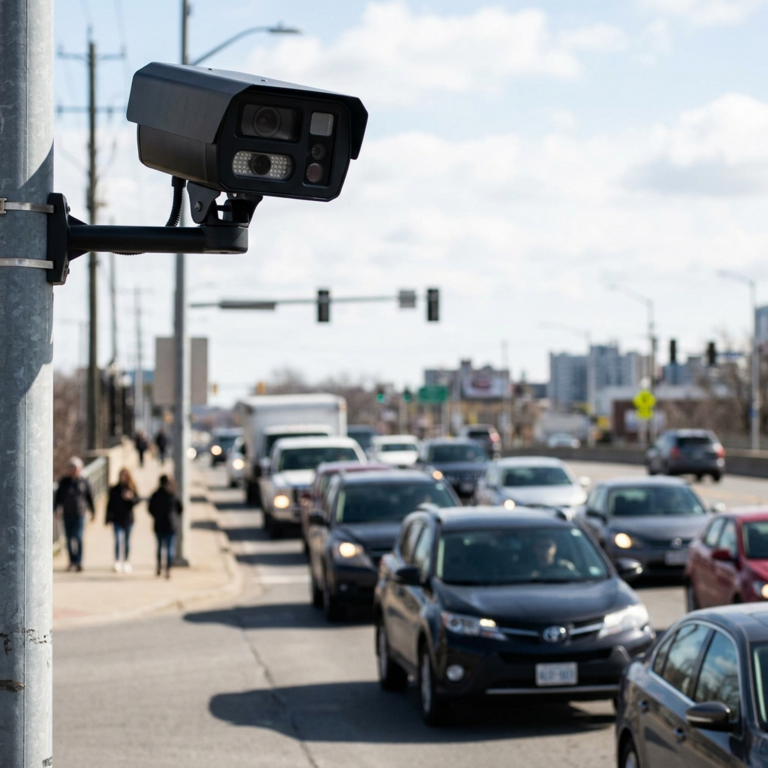
In a world where surveillance technology is becoming increasingly sophisticated, the use of over 120,000 automatic license plate reader (ALPR) cameras, such as Flock’s, is raising significant privacy concerns across the US. These cameras, equipped with AI capabilities, track vehicles and individuals based on a variety of data points, creating a networked surveillance system that monitors movements throughout the day. While these cameras can be useful for law enforcement in identifying stolen vehicles or persons of interest, they also raise questions about privacy and data protection. Many people are uncomfortable with the idea of being constantly monitored and tracked as they go about their daily lives.
The rise of ALPR cameras has sparked debates about the balance between security and privacy. While law enforcement agencies argue that these cameras are essential tools for crime prevention and detection, privacy advocates warn about the potential for mass surveillance and data misuse. The ability of these cameras to track not only vehicles but also individuals has raised concerns about the erosion of personal privacy and civil liberties. As these surveillance technologies become more pervasive, it is crucial to have clear regulations and oversight to protect the rights of individuals.
One of the main concerns with ALPR cameras is the lack of transparency and accountability in how the data collected is used and stored. Many people are unaware of the extent to which their movements are being tracked and recorded by these cameras, leading to fears of unwarranted surveillance. Additionally, there are worries about the security of the data being collected, as any breach could potentially expose sensitive information about individuals’ whereabouts and activities. It is essential for companies that deploy these cameras to prioritize data security and transparency to build trust with the public.
The widespread adoption of ALPR cameras also raises questions about the ethical implications of using AI-powered surveillance technology. As these cameras become more advanced in their ability to analyze and interpret data, there is a risk of algorithmic bias and discrimination. For example, if the AI algorithms used by these cameras are not properly trained on diverse datasets, they may be more likely to misidentify certain individuals or vehicles, leading to false accusations and wrongful surveillance. It is crucial for companies to address these ethical concerns and ensure that their technology is fair and unbiased.
From a practical standpoint, the proliferation of ALPR cameras has significant implications for both consumers and businesses. Individuals may need to be more vigilant about their privacy and take steps to protect their personal information from being captured by these surveillance systems. Businesses that use ALPR cameras must also be mindful of the potential legal and ethical ramifications of collecting and storing data on individuals. As these technologies continue to evolve, it is essential for policymakers, businesses, and the public to engage in meaningful discussions about the responsible use of surveillance technology.
In conclusion, the use of ALPR cameras like Flock’s has raised important questions about privacy, security, and ethics in the age of surveillance technology. While these cameras have the potential to enhance public safety and law enforcement efforts, they also pose risks to individual privacy and civil liberties. As society grapples with the implications of widespread surveillance, it is crucial to strike a balance between security and privacy, ensuring that technological advancements are used responsibly and ethically.