










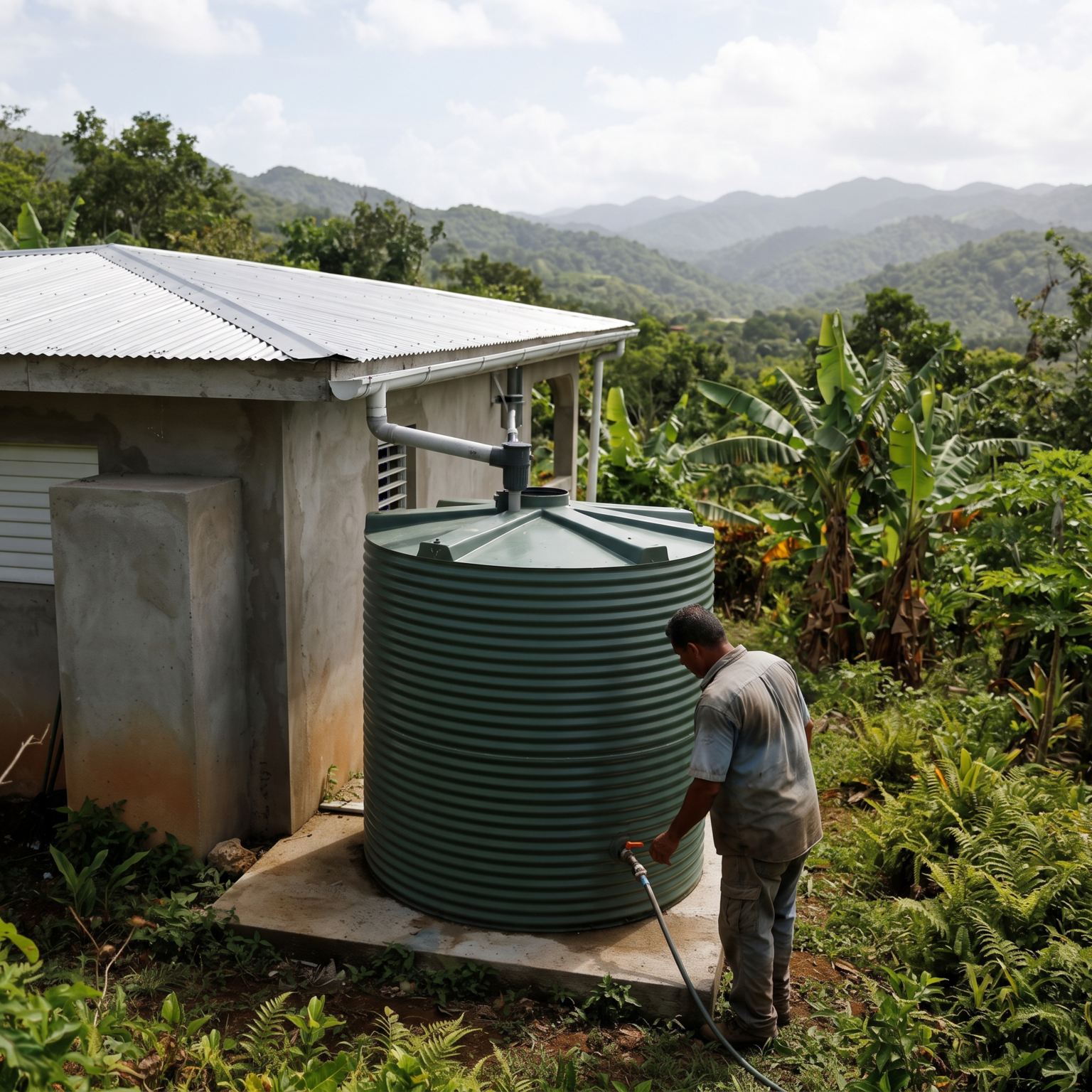
In the midst of a major water crisis, Puerto Rico is facing the daunting prospect of water rationing. However, a beacon of hope shines through in the form of rainwater harvesting. By implementing systems to capture rainwater, Puerto Rico could potentially avoid water shortages and rationing, ensuring a more reliable water supply for residents. This practical solution could have significant benefits for consumers by increasing access to clean water and reducing dependence on external sources.
The idea of rainwater harvesting is not new, but its application in a large-scale infrastructure project like the one needed in Puerto Rico is a groundbreaking innovation. With the Caribbean region facing various environmental challenges, including water scarcity, this initiative could serve as a model for other areas grappling with similar issues. By harnessing a natural resource like rainwater, Puerto Rico could not only address its current water crisis but also build a more sustainable and resilient water supply system for the future.
For tech enthusiasts, the technology behind rainwater harvesting systems is a fascinating blend of traditional practices and modern advancements. From simple rain barrels to more sophisticated collection and filtration systems, there are various options available to suit different needs and budgets. Integrating smart sensors and IoT devices can further enhance the efficiency of these systems, allowing for real-time monitoring and optimization of water collection and usage.
The impact of rainwater harvesting goes beyond just providing a reliable water supply. It also has significant implications for the environment and society at large. By reducing the need for water extraction from natural sources, such as rivers and groundwater, rainwater harvesting can help preserve fragile ecosystems and mitigate the effects of climate change. Additionally, by promoting self-sufficiency in water management, communities can become more resilient to future water crises and disruptions.
From a market perspective, the adoption of rainwater harvesting technology in Puerto Rico could create new opportunities for businesses in the water management and sustainability sectors. Companies specializing in water infrastructure, filtration systems, and IoT solutions could see increased demand for their products and services as governments and communities seek to improve their water resilience. This shift towards more sustainable practices could also lead to job creation and economic growth in related industries.
Ultimately, the story of Puerto Rico’s potential to avoid water rationing through rainwater harvesting is a powerful example of how innovation and technology can address pressing societal challenges. By leveraging natural resources in a smart and efficient manner, communities can not only secure their water supply but also promote environmental stewardship and economic development. As the world grapples with increasing water scarcity and climate uncertainty, solutions like rainwater harvesting offer a ray of hope for a more sustainable and resilient future.



I was studying some of your articles on this internet site and I conceive this web site is rattling informative! Retain posting.