






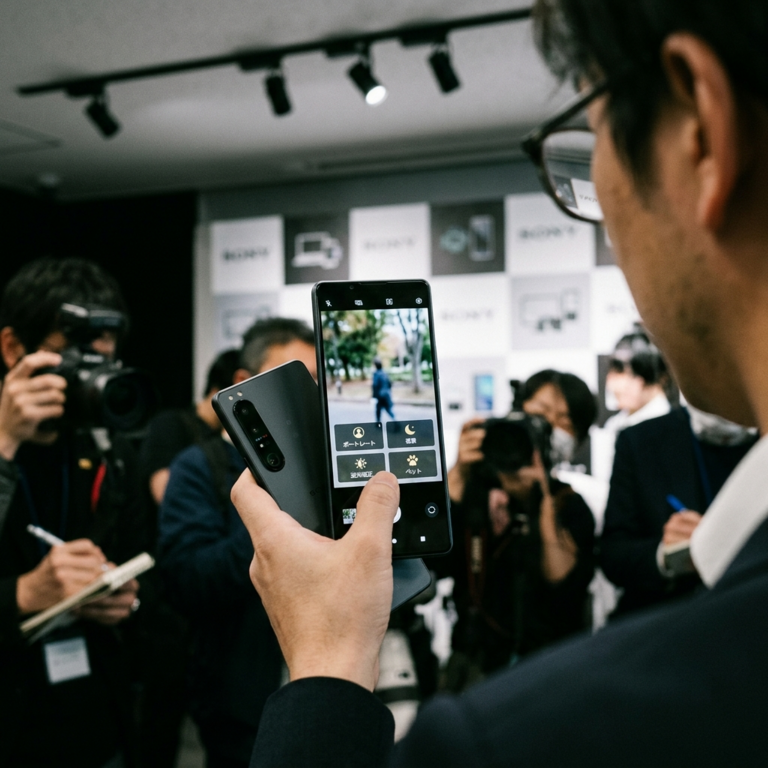
Sony has recently found itself in the spotlight over its AI Camera Assistant feature on the Xperia 1 XIII. The company faced criticism and backlash from users who were confused about how the feature actually works. In response, Sony has clarified that the AI Camera Assistant does not edit photos but instead provides suggestions to users based on factors like lighting, depth, and subject. When users point the camera at a subject, they are presented with four different options to choose from. This clarification aims to clear up any misconceptions and help users better understand the functionality of the feature.
The controversy surrounding Sony’s AI Camera Assistant highlights the challenges that tech companies face when implementing AI-driven features. While these features can offer valuable assistance to users, they can also be misunderstood or misinterpreted. In this case, Sony’s attempt to leverage AI technology to enhance the camera experience on the Xperia 1 XIII has led to confusion among consumers. The company’s response underscores the importance of clear communication and transparency when introducing new technology features.
For tech enthusiasts and professionals, the Sony AI Camera Assistant story serves as a reminder of the complexities involved in integrating AI into consumer products. As AI continues to play a significant role in shaping the future of technology, companies must navigate the delicate balance between innovation and user experience. Sony’s experience with the AI Camera Assistant showcases the need for thorough testing, user feedback, and effective communication strategies to ensure that AI features are well-received by consumers.
From a practical standpoint, the clarification from Sony regarding the AI Camera Assistant feature has implications for both current and potential Xperia 1 XIII users. By understanding how the feature works and the role it plays in the camera experience, users can make more informed decisions about how to leverage its capabilities. The four different options provided by the AI Camera Assistant can help users enhance their photography skills and capture better images in various settings.
In the broader market, the Sony AI Camera Assistant controversy sheds light on the competitive landscape of smartphone photography features. As smartphone manufacturers continue to push the boundaries of camera technology, AI-driven features have become a key differentiator for consumers. By offering advanced AI capabilities, companies like Sony aim to attract tech-savvy users who prioritize innovation and performance in their smartphone cameras.
Looking ahead, the Sony AI Camera Assistant story underscores the ongoing evolution of AI technology in consumer electronics. As AI becomes more integrated into everyday devices, users can expect to see a wider range of AI-driven features that enhance functionality and user experience. By learning from Sony’s experience with the AI Camera Assistant, tech companies can refine their approach to AI implementation and deliver more intuitive and user-friendly products in the future.