








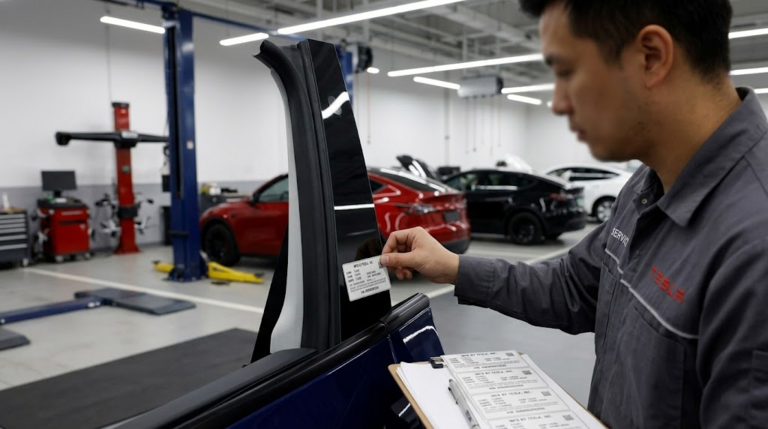
Tesla, the electric vehicle pioneer, is facing a significant setback as it issues a recall for 14,575 of its Model Y vehicles. The reason behind the recall? A missing weight certification sticker, a crucial detail required by federal regulations. This minor oversight could have major consequences, as the National Highway Traffic Safety Administration (NHTSA) has stepped in to address the issue. Tesla, known for its innovative technology and cutting-edge designs, now finds itself at the center of a high-profile recall that underscores the importance of attention to detail in the automotive industry.
The missing weight certification sticker may seem like a minor issue, but it has the potential to impact both Tesla and its customers. Without this essential information, drivers may unknowingly exceed the vehicle’s weight limits, leading to safety concerns and potential risks on the road. For Tesla, the recall represents more than just a logistical challenge; it raises questions about quality control, manufacturing processes, and compliance with regulatory standards. As a company that prides itself on innovation and excellence, this incident serves as a reminder that even the most advanced technology can be susceptible to human error.
The recall of over 14,000 Model Y vehicles is not just a blip on the radar for Tesla; it has broader implications for the electric vehicle market as a whole. As the demand for EVs continues to rise, consumers are increasingly scrutinizing the reliability and safety of these vehicles. Tesla’s recall highlights the need for rigorous testing and thorough inspections to ensure that EVs meet the highest standards of quality and compliance. In a competitive market where reputation is everything, incidents like this can have lasting effects on brand perception and consumer trust.
From a practical standpoint, the recall of 14,575 Model Y vehicles raises concerns for current owners and potential buyers. Those who have purchased a Model Y will need to bring their vehicle in for inspection and potentially have the missing sticker installed. This process could be time-consuming and inconvenient for customers, who may have to adjust their schedules to accommodate the recall. For prospective buyers, the recall may raise doubts about the overall reliability and attention to detail in Tesla’s manufacturing process, influencing their purchasing decisions in the future.
Despite the recall, Tesla remains a key player in the electric vehicle market, with a loyal customer base and a strong reputation for innovation. How the company handles this setback will be crucial in maintaining its position as a leader in the industry. Transparency, accountability, and a swift resolution to the issue will be key factors in rebuilding trust with consumers and demonstrating a commitment to quality and safety. As the automotive landscape continues to evolve, incidents like this serve as important reminders of the complexities and challenges inherent in developing and manufacturing cutting-edge technology.
In conclusion, Tesla’s recall of 14,575 Model Y vehicles over a missing weight certification sticker may seem like a minor hiccup, but it has far-reaching implications for the company, its customers, and the electric vehicle market as a whole. This incident underscores the importance of attention to detail, quality control, and regulatory compliance in the automotive industry. As Tesla navigates this challenge, its response will be closely watched by tech enthusiasts, industry professionals, and curious general readers alike.