









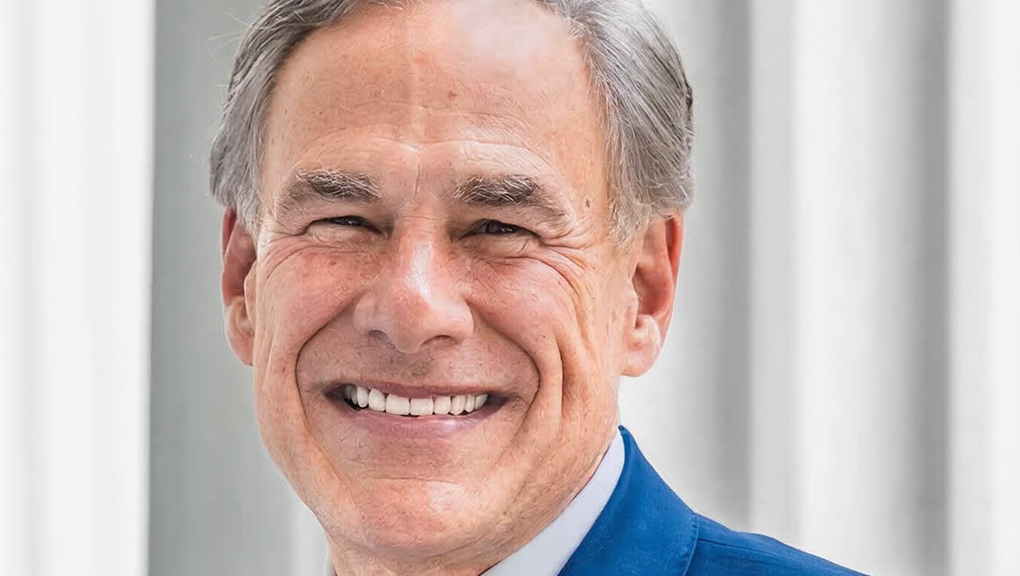
In a significant move that signals a growing backlash against invasive surveillance technologies, Texas Governor Greg Abbott has decided to freeze state spending on Flock’s AI surveillance cameras. The decision came after a Texas Tribune investigation uncovered that over $30 million had been spent on these controversial cameras, which were funded through a $1 fee on insurance policies. This halt in funding underscores the increasing concerns over privacy violations and potential misuse of AI-powered surveillance tools in the public sector.
Flock’s cameras, which use advanced artificial intelligence to monitor and track individuals, have raised red flags among privacy advocates and civil liberties groups. The technology allows for the automated collection of vast amounts of data, including license plate information and vehicle movements, raising concerns about mass surveillance and potential abuse by authorities. Governor Abbott’s decision to halt funding for these cameras reflects a broader trend towards greater scrutiny and regulation of surveillance technologies that have the potential to infringe on individual rights.
The freeze on funding for Flock cameras highlights the need for robust oversight and accountability measures when deploying advanced surveillance technologies in public spaces. As governments and law enforcement agencies increasingly turn to AI-powered solutions for security and public safety, concerns over data privacy, civil liberties, and the potential for abuse become more pronounced. Governor Abbott’s action serves as a reminder of the importance of striking a balance between security needs and safeguarding individual rights in the digital age.
The backlash against Flock’s cameras in Texas is part of a larger debate surrounding the ethical and legal implications of AI surveillance technologies. With the rapid advancement of AI and machine learning capabilities, the potential for invasive and indiscriminate monitoring has raised alarm bells among lawmakers, regulators, and the general public. The decision to halt funding for Flock cameras reflects a growing recognition of the need to establish clear guidelines and boundaries for the use of AI in surveillance to prevent abuse and protect individual privacy.
The controversy surrounding Flock’s AI surveillance cameras also underscores the challenges of regulating emerging technologies that outpace existing laws and policies. As innovation outstrips regulation, governments are faced with the daunting task of addressing the ethical, legal, and societal implications of AI-driven surveillance tools. Governor Abbott’s move to freeze funding for Flock cameras highlights the urgency of establishing comprehensive frameworks for overseeing the deployment and use of AI technologies in ways that respect individual rights and protect against potential abuses.
In conclusion, Governor Abbott’s decision to halt state spending on Flock’s AI surveillance cameras shines a spotlight on the need for greater transparency, accountability, and oversight in the deployment of advanced surveillance technologies. As concerns over privacy violations and misuse of AI continue to mount, policymakers, tech companies, and civil society must work together to ensure that innovation is guided by ethical principles and respect for individual rights. The move in Texas sends a clear message that the era of unchecked surveillance is coming to an end, and that the future of AI must be built on a foundation of trust, responsibility, and respect for fundamental freedoms.