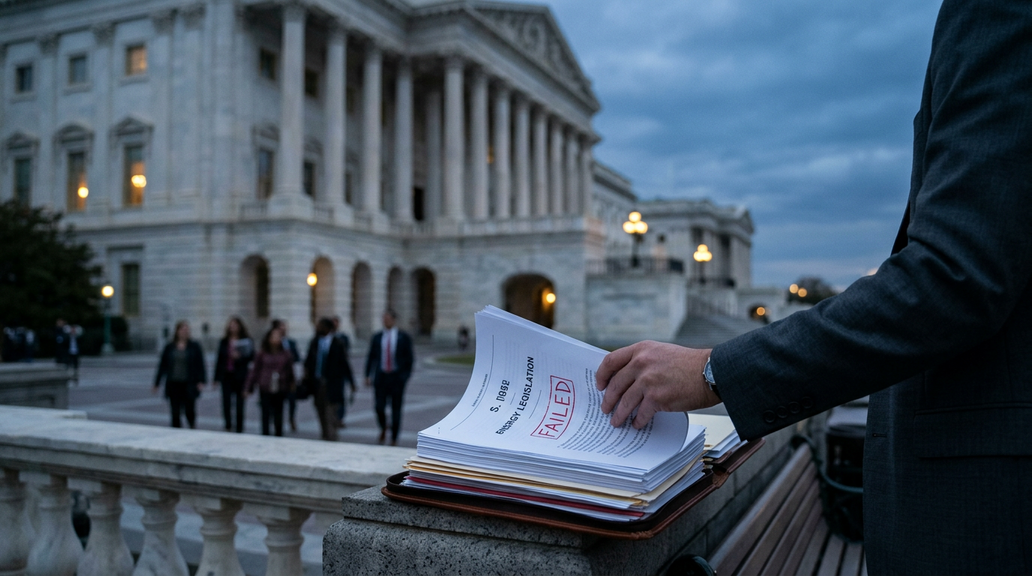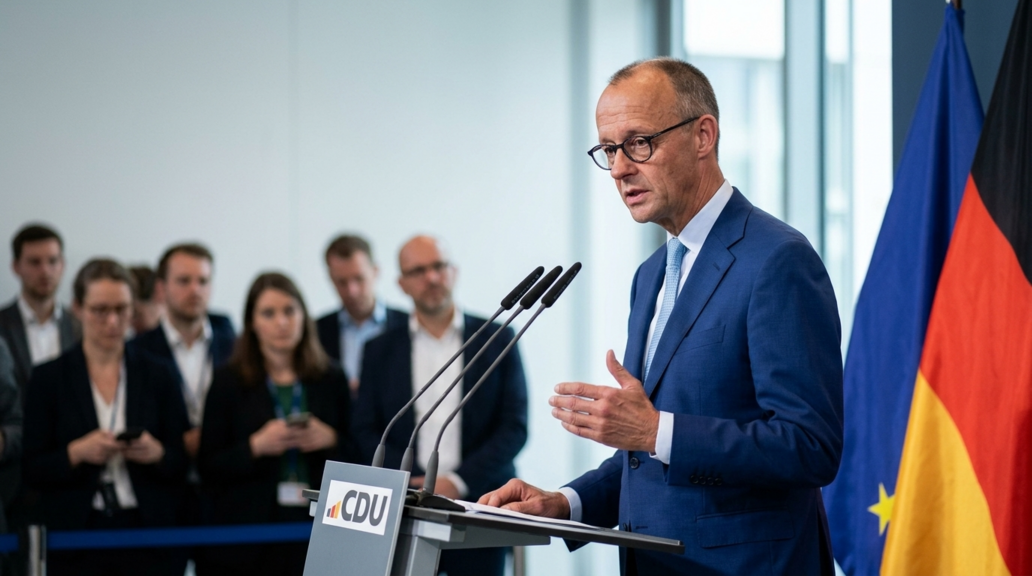









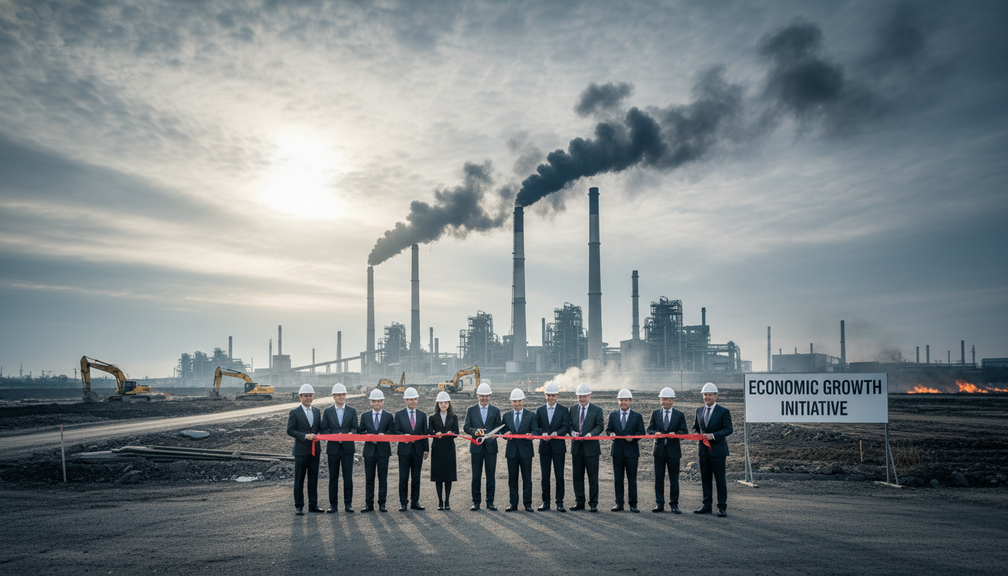
In a move that has sparked both praise and criticism, the Trump administration has taken steps to roll back burdensome soot pollution standards, signaling a commitment to restoring economic freedom and reducing regulatory overreach. By dismantling unnecessary restrictions that stifle innovation and entrepreneurship, the administration is championing the principles of individual initiative and free-market competition. This decision reflects a broader philosophy that emphasizes the importance of reducing government interference and empowering businesses to thrive in a competitive environment.
The concept of economic freedom is not just a theoretical ideal but a practical necessity for fostering prosperity and growth. When businesses are burdened by excessive regulations and red tape, they are less able to innovate, create jobs, and drive economic progress. By promoting a regulatory environment that prioritizes entrepreneurial freedom and market-driven solutions, the Trump administration is paving the way for increased investment, job creation, and overall economic vitality.
Critics of the administration’s deregulatory agenda often argue that it comes at the expense of environmental protection and public health. However, a balanced approach is needed to ensure that regulations are effective without unduly hampering economic activity. By focusing on targeted regulatory reforms that strike a balance between environmental stewardship and economic growth, the administration is demonstrating a commitment to advancing both goals simultaneously.
The rollback of soot pollution standards is just one example of the broader push to unleash economic potential and spur innovation across various industries. By giving businesses the flexibility to operate more efficiently and competitively, the administration is fostering a climate of economic self-determination and empowerment. This approach aligns with the traditional conservative values of self-reliance, personal responsibility, and limited government intervention.
Moreover, the administration’s emphasis on reducing regulatory burdens is not just about short-term economic gains but also about long-term sustainability and resilience. By streamlining regulations and promoting a pro-business environment, the government is setting the stage for sustained economic growth and job creation. This strategic focus on regulatory reform is crucial for ensuring that businesses can thrive and adapt to changing market conditions.
In conclusion, the Trump administration’s decision to roll back burdensome soot pollution standards is a step in the right direction toward restoring economic freedom and promoting entrepreneurship. By prioritizing individual initiative, reducing regulatory overreach, and fostering a climate of innovation, the administration is laying the groundwork for a more dynamic and competitive economy. This approach not only benefits businesses and consumers but also upholds the core principles of economic liberalism and traditional conservative values.