










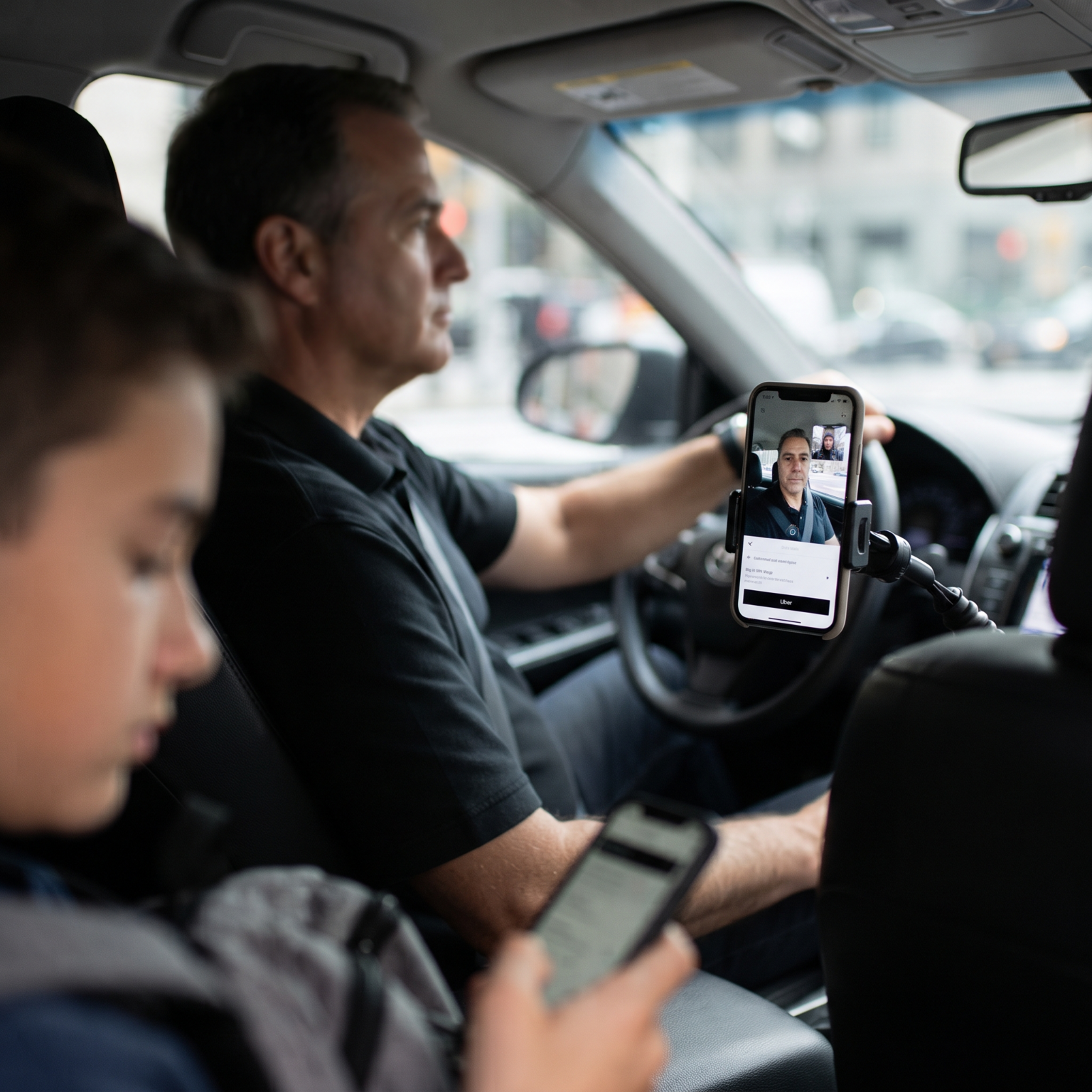
Uber has introduced a groundbreaking new feature that allows parents to monitor their teenage children during Uber rides by utilizing the selfie cameras on drivers’ phones. This innovative update provides an additional layer of security and peace of mind for parents, giving them the ability to check in on their teens while they are using Uber services. The move aims to address concerns about safety and security for young passengers while using ride-hailing services, offering a unique solution to ease parental worries.
In recent years, there has been a growing trend of parents tracking their teenagers’ Uber rides through the app, but this new feature takes monitoring to the next level. By leveraging the selfie cameras on drivers’ phones, parents can now visually check on their teens during the ride, ensuring they reach their destination safely. This groundbreaking approach to safety in ride-hailing services sets a new standard for transparency and accountability in the industry.
The new teen ride option from Uber is designed to offer families more flexibility when it comes to transportation for their teenage children. With teenagers aged 14-17 now able to create accounts and request rides independently, parents can invite their teens to use this feature with the added security of being able to monitor the trip through the driver’s selfie camera. This feature not only benefits parents but also provides an added layer of protection and peace of mind for young passengers.
The expansion of Uber’s teen ride option to multiple regions highlights the company’s commitment to enhancing safety measures for young passengers. By allowing parents and guardians to have real-time access to their teens’ rides through the driver’s selfie camera, Uber is setting a new standard for ensuring the well-being of passengers, particularly minors. This move underscores the importance of leveraging technology to address safety concerns in the transportation industry.
While some may raise concerns about privacy implications with this new feature, Uber emphasizes that the use of the driver’s selfie camera is strictly for monitoring purposes during the ride and is intended to enhance safety for teenage passengers. As technology continues to play a significant role in everyday life, companies like Uber are exploring innovative ways to prioritize safety and security for all users, especially vulnerable populations such as teenagers.
Overall, Uber’s introduction of the feature that allows parents to monitor their teens through drivers’ selfie cameras represents a significant advancement in safety measures for young passengers using ride-hailing services. By providing parents with the ability to visually check on their teenagers during Uber rides, this new feature offers peace of mind and reassurance, ultimately enhancing the overall safety and security of young passengers. As technology continues to evolve, initiatives like this demonstrate the potential for innovative solutions to address safety concerns in the transportation industry.



This Uber feature highlights the tension between parental safety concerns and a teen’s need for autonomy. While some parents might appreciate selfie camera monitoring for peace of mind, it raises significant questions about privacy and trust. Developing independence involves navigating situations unsupervised; constant surveillance, however well-intentioned, could impede