







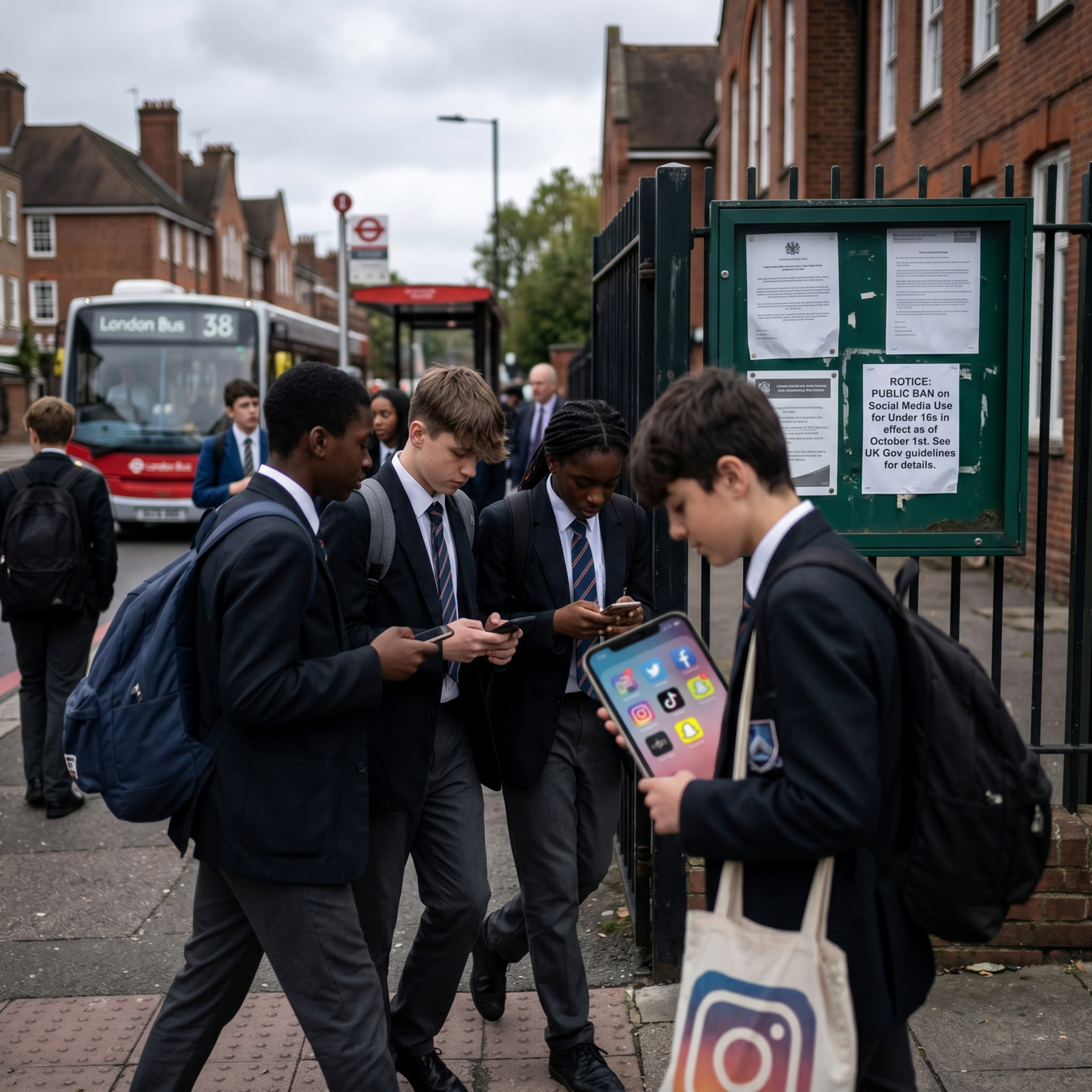
In a bold move aimed at protecting the mental health and well-being of young users, the UK government has implemented a sweeping ban on social media access for individuals under the age of 16. This ban is set to shake up the social media landscape, impacting major platforms like Snapchat, TikTok, YouTube, Instagram, and Facebook. The decision comes amidst growing concerns about the negative effects of social media on young people, including issues such as cyberbullying, addiction, and mental health challenges. By restricting access to these platforms, the UK government hopes to mitigate these risks and create a safer online environment for minors.
The ban is expected to have far-reaching implications for both social media companies and their user bases. Platforms such as Snapchat, TikTok, YouTube, Instagram, and Facebook rely heavily on younger demographics for engagement and growth. With a significant portion of their user base now cut off, these companies will need to reassess their strategies and potentially pivot towards catering to older audiences. This shift could lead to changes in content creation, advertising tactics, and overall platform dynamics as they adapt to a new user landscape.
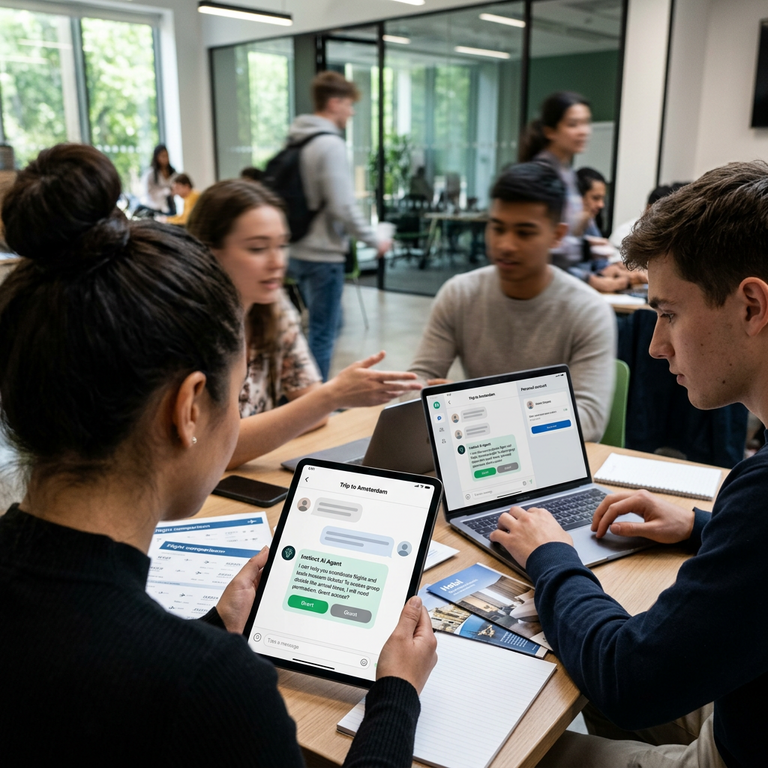
For tech-savvy teenagers who are accustomed to sharing their lives online, this ban represents a major disruption to their digital routines. Many young users rely on social media as a primary means of communication, self-expression, and entertainment. The sudden loss of access to these platforms may force them to seek alternative ways to connect with friends, consume content, and engage with their interests. This shift could foster the development of new online communities, platforms, and trends as young users navigate this digital void.
Parents and educators have long been concerned about the impact of social media on the well-being of young people. Studies have shown a correlation between excessive social media use and issues such as anxiety, depression, and poor self-esteem among teenagers. By implementing this ban, the UK government is taking a proactive stance in addressing these concerns and safeguarding the mental health of minors. This decision could set a precedent for other countries to follow suit and implement similar measures to protect vulnerable youth populations.
Social media companies are likely to face backlash from users and advocates who view this ban as an infringement on freedom of speech and expression. Critics argue that restricting access to these platforms limits young people’s ability to connect, share their experiences, and participate in digital discourse. The debate over where to draw the line between protecting users and preserving online freedoms is likely to intensify as governments around the world grapple with the implications of social media regulation.
As the dust settles on this groundbreaking decision, the tech industry will be closely watching the aftermath of the UK’s social media ban. How will major platforms adapt to this new regulatory environment? Will other countries follow suit and implement similar restrictions on social media access for minors? What impact will these changes have on the digital landscape and the way we interact online? These questions remain unanswered, but one thing is certain: the era of unrestricted social media access for young users may be coming to an end.