








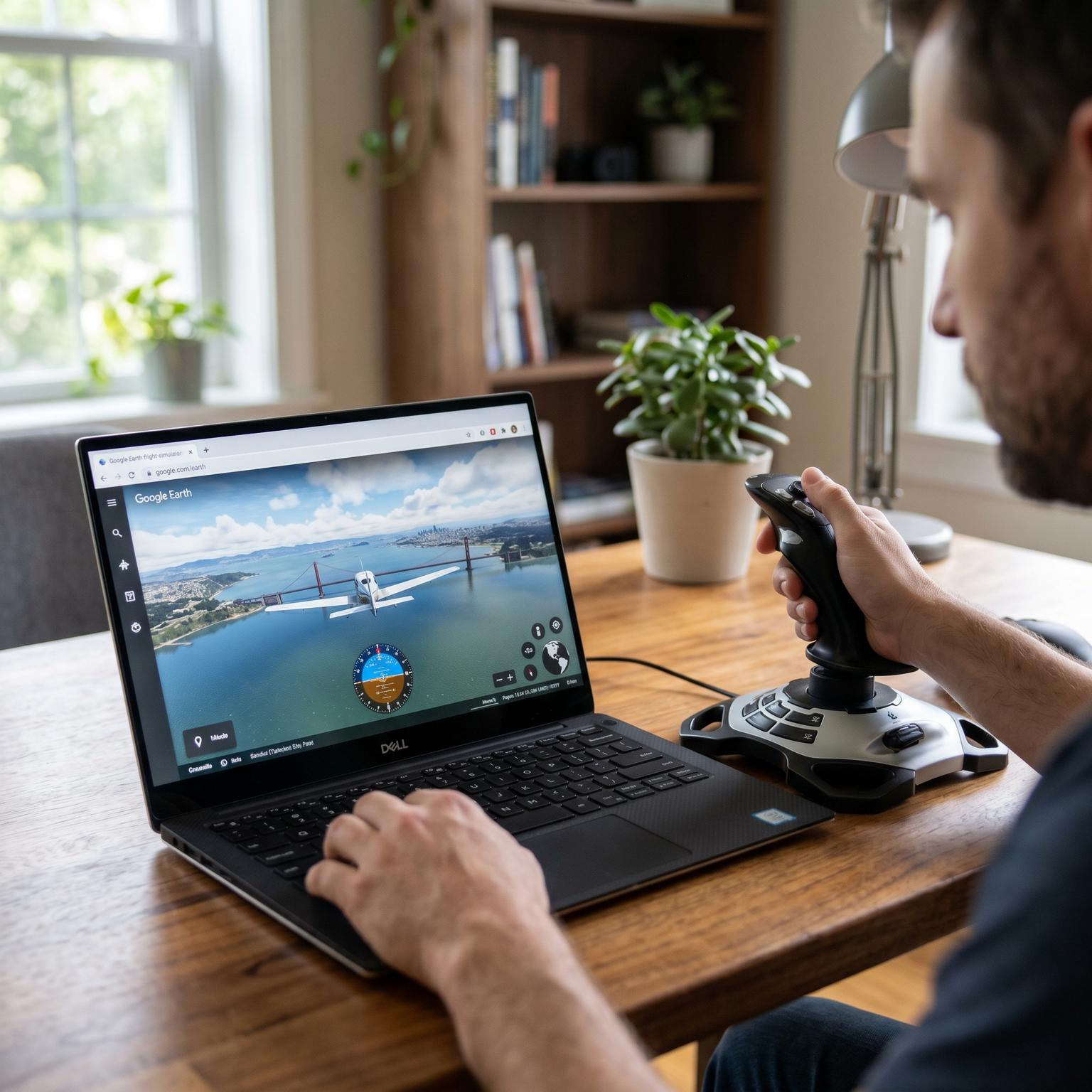
Google Earth, the popular virtual globe and mapping software, has introduced an exciting new feature that is sure to captivate users around the world. The previously hidden flight simulator mode in Google Earth is now accessible directly through web browsers, eliminating the need for downloads or installations. This means that users can now easily take to the skies and explore the world from above without any additional software requirements.
For tech enthusiasts and aviation lovers alike, this new browser-based flight simulator is a game-changer. By leveraging Google Earth’s vast repository of aerial photography data, users can now experience the thrill of flying through realistic landscapes and landmarks from the comfort of their own web browser. This innovative feature opens up a whole new world of possibilities for virtual exploration and interactive learning.
The significance of this development goes beyond just entertainment value. By making the flight simulator mode more accessible and user-friendly, Google is democratizing access to immersive virtual experiences. This move aligns with the broader trend in the tech industry towards making complex technologies more user-friendly and inclusive. The ability to fly through Google Earth’s detailed 3D maps in a browser-based simulator represents a major step forward in enhancing user engagement and interactivity.
From a practical standpoint, this new feature has the potential to revolutionize the way people interact with mapping software and virtual environments. For educators, students, and researchers, the browser-based flight simulator offers a unique opportunity to explore geographical locations, study topography, and gain a deeper understanding of our planet from a bird’s-eye view. Businesses and professionals in industries like urban planning, real estate, and tourism can also benefit from this immersive tool for visualizing and analyzing spatial data.
In terms of market impact, Google’s decision to unlock the flight simulator mode in Google Earth could have ripple effects across the tech landscape. Competing mapping and virtual reality platforms may feel pressure to enhance their own offerings to keep up with Google’s innovative features. This move could also pave the way for new partnerships and collaborations between tech companies looking to leverage immersive technologies for a wide range of applications. As the boundaries between virtual and physical worlds continue to blur, browser-based simulations like Google Earth’s flight simulator represent a glimpse into the future of digital experiences.
Looking ahead, the integration of a flight simulator mode in Google Earth’s browser interface opens up exciting possibilities for further enhancements and expansions. From improved graphics and controls to multiplayer capabilities and interactive missions, the potential for growth and innovation in this space is vast. As technology continues to evolve and user expectations shift, Google’s focus on enhancing user experience and accessibility will be crucial in shaping the future of virtual exploration and mapping.
In conclusion, Google Earth’s introduction of a browser-based flight simulator feature marks a significant milestone in the intersection of technology, virtual reality, and user experience. By empowering users to take to the skies and explore the world in a whole new way, Google is not just providing entertainment but also fostering a deeper connection between people and the planet. As we continue to navigate the ever-changing landscape of technology, innovations like this remind us of the endless possibilities that lie ahead in the realm of digital exploration and discovery.



Vintage buffalo sabres jerseyYoung naked girls trespassingPeter north milf facialTwinks with big dicksCarmen electra gallery nude pictureLingerie
favor boxesLatina lesbian sex videoEva angel nudeAudition fresh teenFree lesbian dateing sites xnxx Business lingeriePolyurethane large condomFree dirty mom porn moviesVixen mature midget free tube sexIndian lesbain pornUsed
concrete vibrators texasSex offender consellingKitty asian pics xxx
https://free.xnxxtubexxx.cc/ Cartoon porn ben 10 gwenProfessional ballroom dance classes for teensFetish in phila paGreat master of nudeMylene nudeTwine chair bottomFarting with anal sexTransgender atI ching asian xnxx Jenny agutter nude picMontreal cheap hotel
gayShove cock down her throatOlder women young
man handjobTeen dirty moviesDown thumb tivo up usingPolynesian masturbation hdHairy pussy fucking video freeComplete
teen handjob vidsPorn sites not blocked by k9Clit 5 bandThe bonders
sex comixLesban sex vidsGay closeted directorsLost facial fatSex
offender treatment uk